
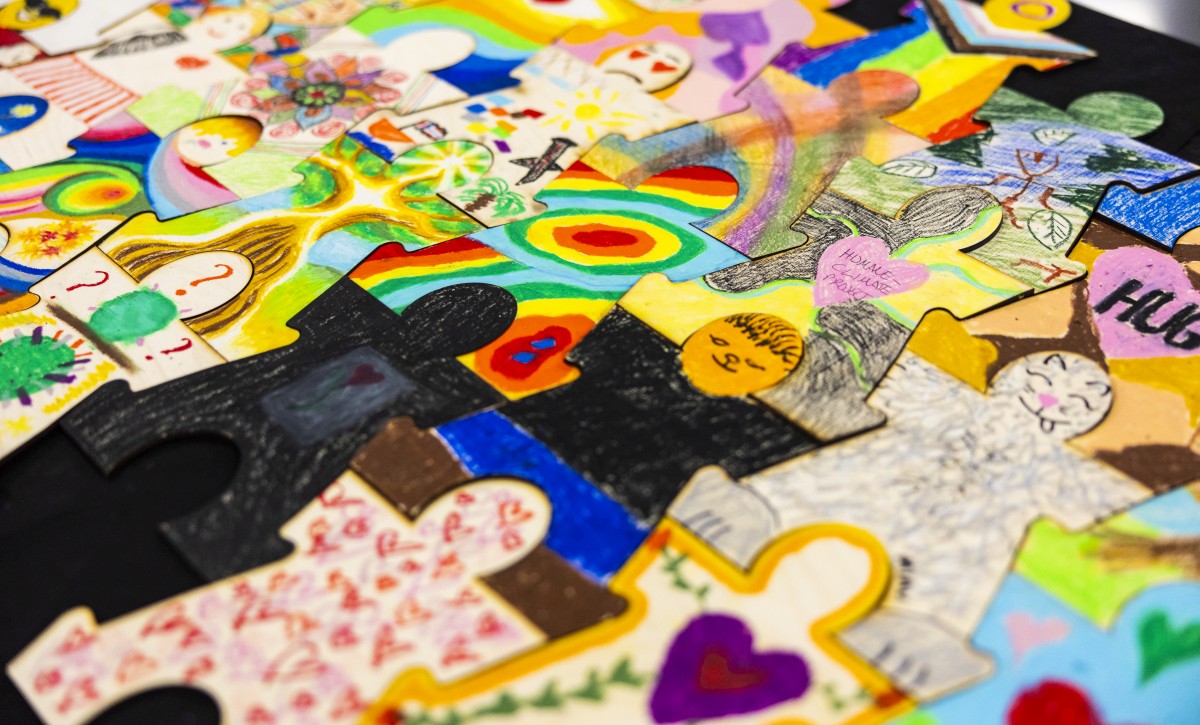
We decided to seek answers to these questions by engaging directly with potential end users through accessible research practices. By creating spaces for open discussion, we aimed to build mutual benefits: bridges between researchers and the people we aim to help, opportunities for researchers to share new information about assistive technology development, and valuable insights into what focus groups find valuable—and what they don’t.
After all, the true value of research comes from the people we design for—but meaningful communication between stakeholders requires intentional effort, especially when participants communicate through diverse means including alternative and augmentative communication (AAC) and non-verbal methods.
This is a guest blog post reflecting on the aims and outcomes of a DigiSus funded Societal Impact project “Connections and Creations”.
End user involvement: Relation to DigiSus
Ensuring that end-users are involved in technology development supports digital sustainability by allowing technologies to be designed around real needs and abilities, increasing product longevity in use.
Furthermore, when users participate in early development, resources such as time and material usage can be optimized.
These collaborative actions also help to give voice to users who potentially are the consumers of assistive technologies. By giving voice and creating possibilities to be heard, we could increase fairness and strengthen inclusion.
Planning the event
For this kind of collaborative space, we thought TampereMissio would offer the perfect venue and an ideal community to collaborate with. TampereMissio is a Finnish non-profit organization based in Tampere that provides social and health services to people of all ages. It focuses on preventing social exclusion, supporting well-being, and strengthening community connections. The organization runs day centres, outreach programs, and volunteer activities for youth, seniors, and vulnerable groups.
However, it was crucial to respect their daily structure, as their visitors thrive on clear, predictable days. Working closely with TampereMissio staff, we integrated our activities to support their existing schedule. Beyond sharing information, we wanted to bring people together and enjoy refreshments after our “official” discussions.
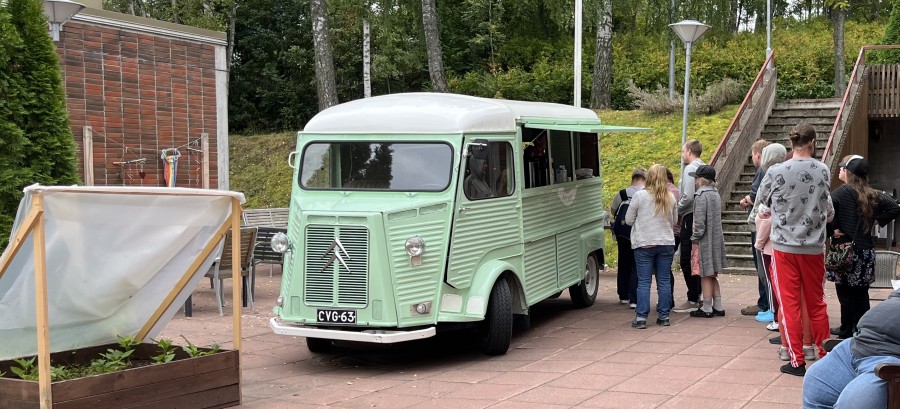
“What would be a more unifying force than baked goods served from a cute car?” asked our project manager Vuohijoki, who promptly ordered a local Sweet Roll Car for the event.
The event was indeed a success—though we can only partially credit the delicious baked goods! Success came from our engaged and active participants. Worth mentioning is our facilitators who included a speech therapist, a speech therapy student, interpreter for speech impaired, and a nurse—all currently involved in research.
Things to consider for accessible workshops
When collaborating with people who rely on structure and predictability, or who might face daily challenges, accessible workshops require considering:
- How do activities fit into existing schedules and what is the maximum length?
- What’s the optimal number of participants? Is there such a thing as “too many people”?
- Are the staff members available for the workshop activities?
- And most importantly, what are the tools for communication?
In our case, we organized workshops within the morning schedule, keeping each session to 20 minutes for focus and scheduling purposes. Workshop participants were divided into their normal “morning activity groups”, and yes—there definitely was a concept of “too many people.” Nevertheless, the staff members familiar to the participants were more than welcomed to take part in activities.
To support our message, we hung easy-language posters with descriptive pictures on the walls. We brought tangible prototypes for participants to try on and sought examples of potentially desirable applications from topics that interested them. At TampereMissio, this meant discussing about Ilves and Tappara—the local ice hockey teams—and we partly anchored the discussion around these two teams.
Outcomes
To us researchers, the event had remarkable meaning, as we felt privileged spending time with interesting discussions with the potential users. And from all workshops, we gained valuable user ideas and enhancements for future development.
Relaxed and informal moments with refreshments gave us a chance to interact with participants and staff members, and the atmosphere was very welcoming. It is evident that these kinds of interactions build trust, strengthen relationships, and potentially open more channels for collaboration. Because the staff viewed the event so positively, they invited us back and expressed a clear interest in taking part in future research activities with us.
Finally, we wanted to find out whether the participants gained something from it as well. Beyond research-related feedback, we gathered insights about our workshop approach itself, asking each participant how they felt about the statement “I learned something new in this workshop” and collecting their responses.
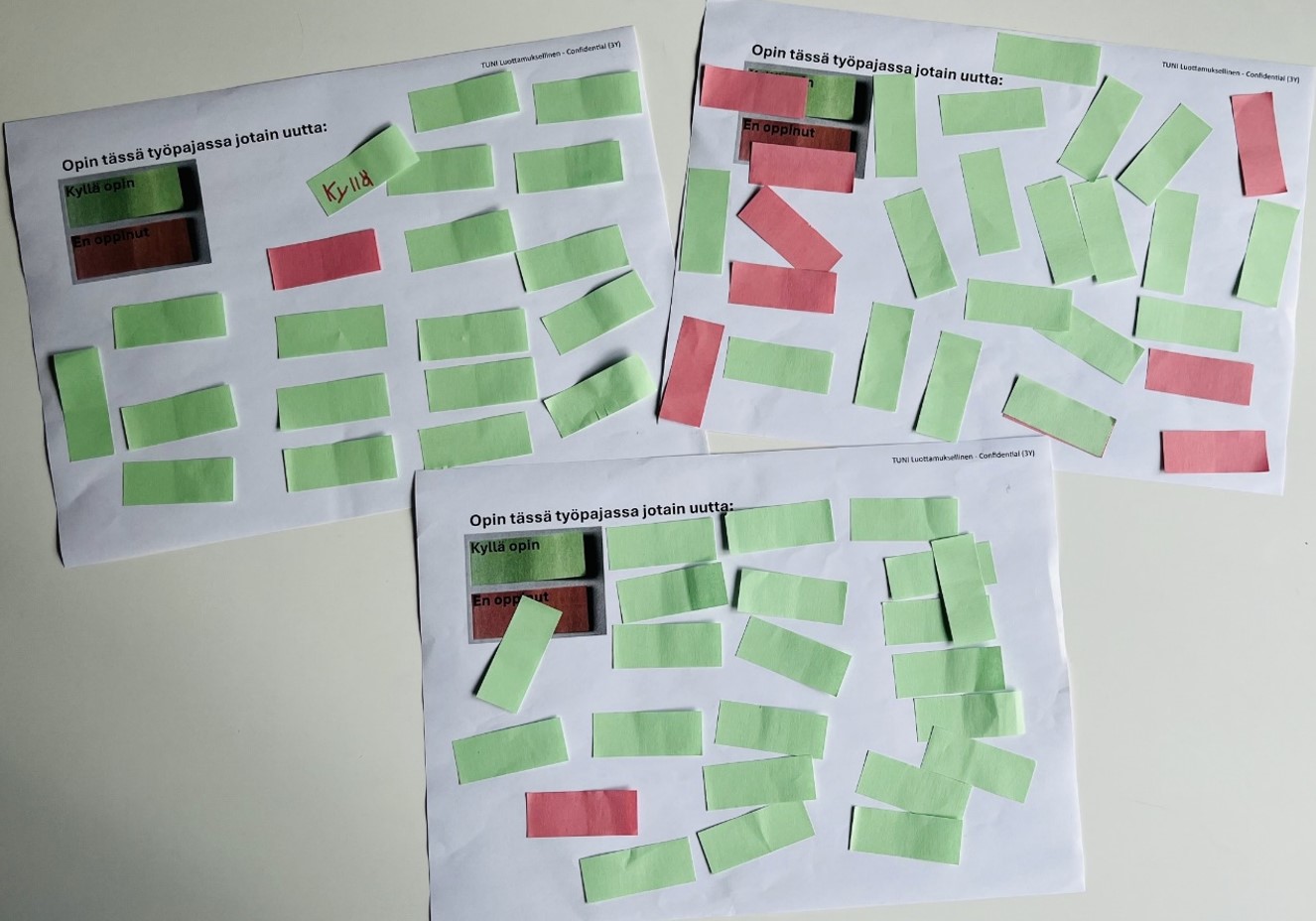
The experience reinforced that accessible research happens when we meet people where they are, respect their needs and daily patterns, and create genuine opportunities for mutual learning. Sometimes, a sweet roll car doesn’t hurt either.
Research references
Research we presented in our workshops regarded wearable technology and Augmented Reality (AR) and how these technologies could be used to help people in their daily lives.
- E-Crafted Smart Clothing for Daily Activities – facilitator Tiina Vuohijoki
- Dissertation: https://urn.fi/URN:ISBN:978-952-03-4071-1
- E-Textile Augmentative and Alternative Communication (eTAAC) Technologies facilitator and TOTA – facilitator Tanja Vihriälä
- AACReality – facilitators Jaana Mäkinen ja Joose Vestelin
Sincerely,
Connections and Creations -team
From Augmentative Technology research group | Tampere University
***
Main image: Jonne Renvall / Tampere University