


Smarter Models for Studying Parkinson’s Disease
“Neurodegenerative diseases such as Parkinson’s disease are difficult to study because current research models often do not reflect how human brain cells behave,” says Dr. Emre Kapucu. “This limits our ability to predict whether new treatments will work in patients and ultimately slows down medical progress.”
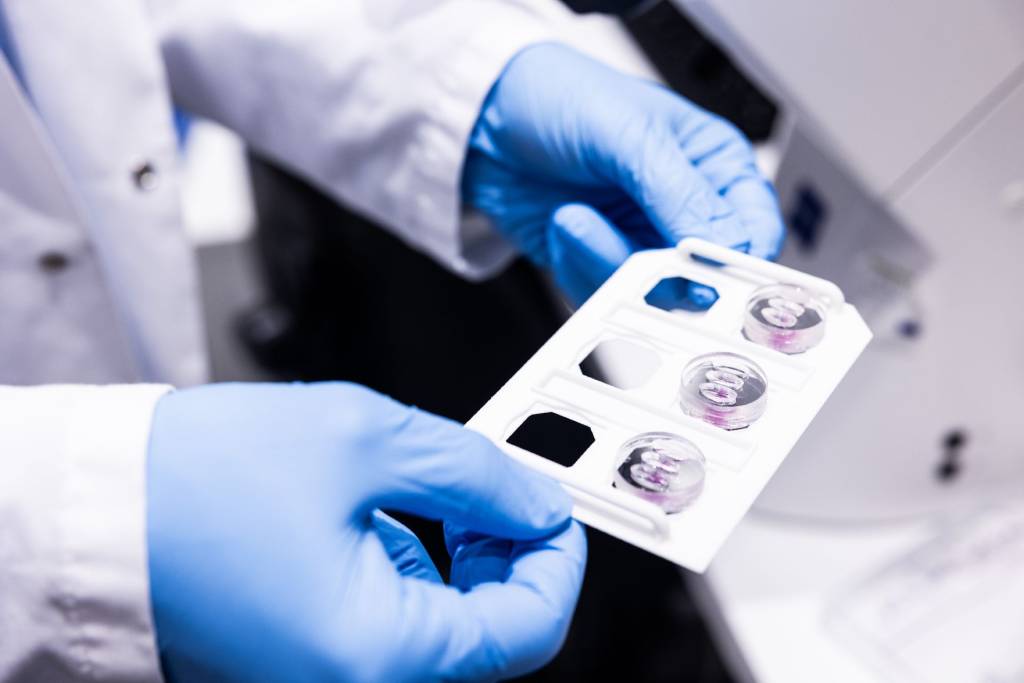
“With the Smart Micropath project, we address this challenge by combining organ-on-chip technology with artificial intelligence,” Kapucu explains. “Organ-on-chip systems are small, lab-built platforms that mimic key features of human tissues, allowing us to study disease processes in a more realistic setting. Artificial intelligence then helps us analyze the complex data produced by these models and identify patterns and changes that would otherwise be difficult to detect.”
“Together, these technologies enable more accurate and efficient research approaches, supporting the development of better therapies for Parkinson’s disease and other neurodegenerative disorders.”
Research Vision at the Interface of Biology and Technology
The Faculty of Medicine and Health Technology (MET) at Tampere University offers a strong interdisciplinary environment where medical research and advanced technologies converge. Within this setting, Adj. Prof. Kapucu focuses on developing new research approaches that integrate cellular biology, neuroengineering, and information technology.
His research vision centers on advancing early-stage biomedical research toward approaches that better reflect human biology and enable more reliable insights into disease processes. The Smart Micropath project represents a concrete step toward this vision. Launching in June 2026, the project aims to establish more meaningful experimental pathways and smarter interpretation of research data, supporting realistic disease studies and improving the translation of findings into practical application.
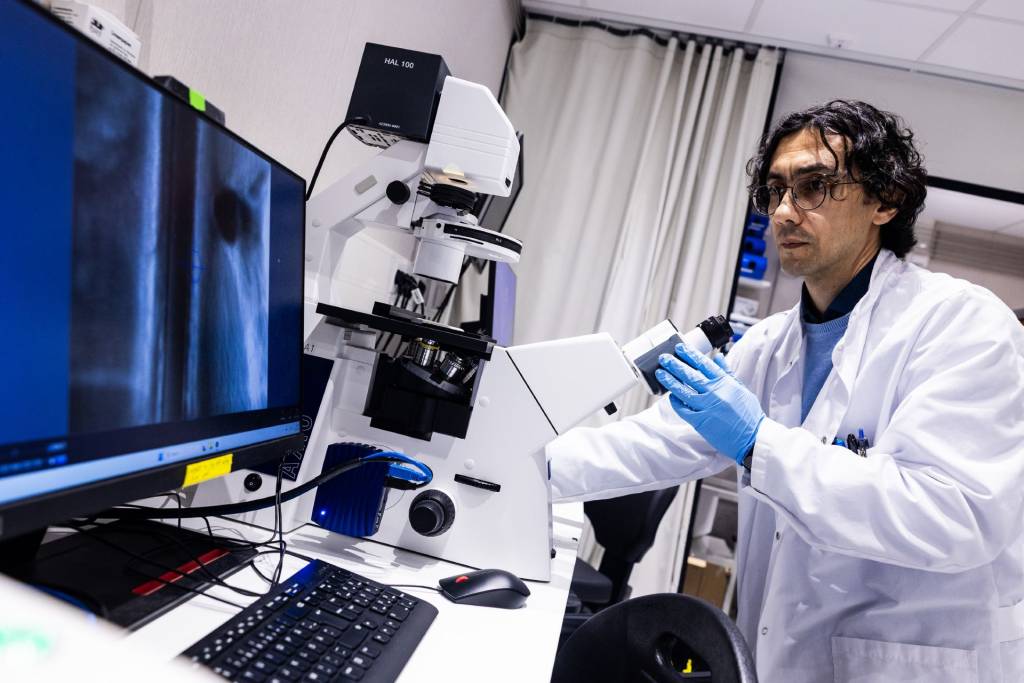
“Smart Micropath allows us to rethink how early-stage biomedical research is conducted,” Kapucu says. “By developing models that are both biologically realistic and analytically powerful, we aim to support better decision-making in research and enable future advances in medicine and health technology.”
Looking ahead, Smart Micropath aims to help make biomedical research more accurate, collaborative, and focused on human biology. By strengthening collaboration between academia and industry, the project seeks to ensure that new research tools developed at Tampere University can be put into practical use across health technology, pharmaceutical development, and medical research—supporting real-world innovation and long-term impact.