

Jan Varpanen’s philosophical paper explored the provocative question whether one could spot something like a childhood in microbes’ lives. Varpanen suggested that if we think from a microbial perspective, childhood could be thought as a ‘time of heightened co-existence’. This idea may lead him to rethink the notion of childhood in childhood studies as well.
Zsuzsa Millei’s paper drew on events in a daycare involving snot, saliva, mucus, and other bodily excreta to examine how body boundaries are continuously produced, crossed, and expanded. By following excreta, the paper explored how bodies become entangled with human and more-than-human others, creating relations and boundary formations that demand renewed attention in early childhood settings.
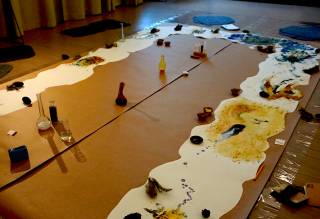
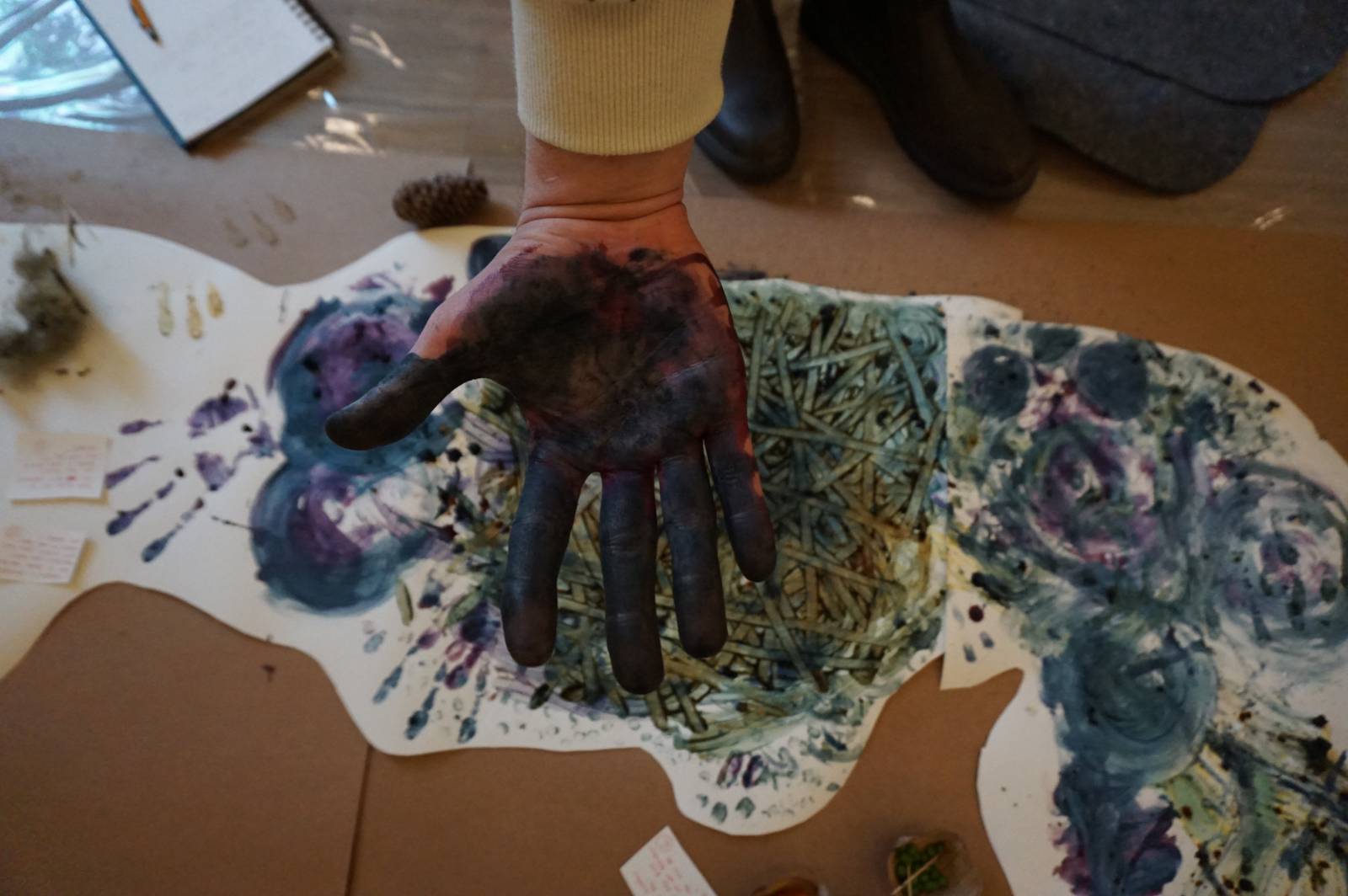
The project team also contributed two interactive workshops titled “Engaging Firmicutes: Art, Microbes, and Inner Dialogues”, led by Erika Aalto and Zsuzsa Millei, followed by a discussion in which the project ecologist Mika Saarenpää also took part. The workshop invited participants to engage creatively with microbial life through artistic and sensory practices, extending the project’s commitment to developing art and pedagogical methods for encountering microbes.
Together, these contributions generated lively discussions about how microbial perspectives might transform understandings of childhood, bodies, education, and coexistence, while strengthening connections between the project and the growing international field of the social studies of microbes.