
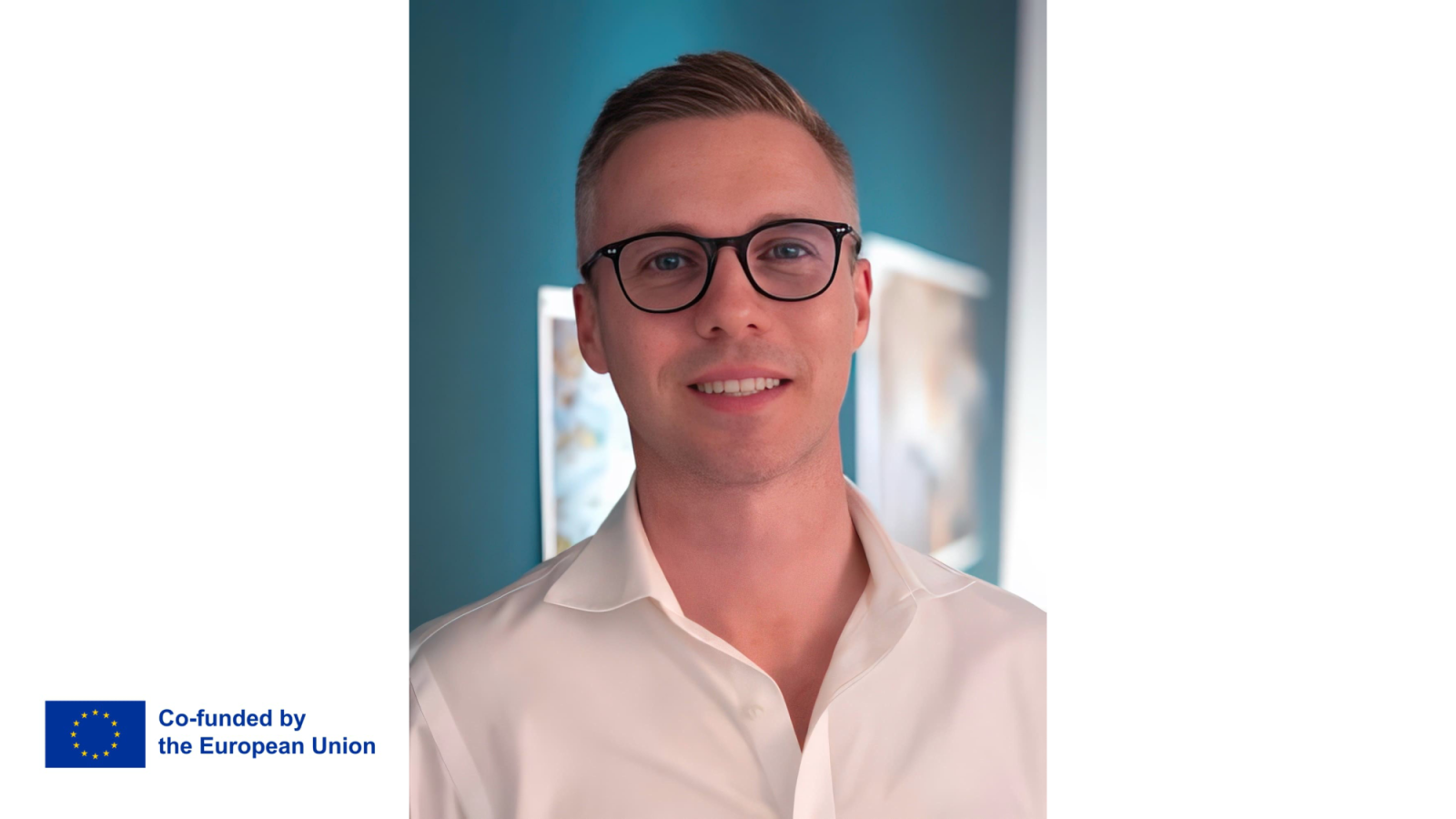
Could you tell us your current research topics?
My research topics are around smart cities and community engagement in crisis resilience. Recently, I’ve been investigating how to prepare for flooding by arranging workshops for governmental decision makers and communities in Australia and Vietnam. My work is related to the UN Sustainable Development Goals in the sense that when collaborating with multiple or diverse stakeholders, you’re not just taking one opinion. Collaboration, and the use of technology to support it, can have positive impacts across different areas. I see sustainability in a broad sense, which includes environmental outcomes, social and cultural inclusion, and economic dimensions.
What digital tool or platform have you found most useful in your recent work? Why?
I’ve been working a lot with government data, such as topographical maps or datasets that highlight particular issues. We use this information in immersive workshops to show, for example, how city areas might be affected by flooding. One platform I’ve worked with is Unity, which allows us to create VR experiences. We’ve also used generative AI platforms such as ChatGPT, which has been useful for analysing information and shaping responses, and Perplexity, which I value for its web search capability and the way it provides the sources it draws from. AI and VR are valuable tools for helping people understand projects. They can support storytelling and also create spaces that enable conversations about future plans, strategies, and policies. It’s difficult to single out one tool, but I see these technologies as additional ways to engage people and connect them with planning and policy.
What advice would you give to construction and real estate companies who want to start using digital tools or AI in their work?
If companies are using off-the-shelf digital tools or AI platforms, it really depends on the kinds of interactions they want to have with people. It’s important to plan ahead rather than just introducing a system and expecting people to use it. They need a strategy around how the tool will be used, what data it might collect, and who it is intended to engage. Too often organisations buy existing platforms and assume uptake will happen automatically, without considering implementation. If the goal is to create something bespoke, then it should go through a human-centred design process. That means asking: What outcomes do we want? How do we want people to interact with it? What are the needs of the users? By starting with those questions, companies can design and build tools that not only serve their own goals—whether it’s data collection, information sharing, or providing a service—but are also genuinely valuable and usable for the people interacting with them.
Finally, do you have any advice for our audience in Finland – many of whom work in municipalities, companies, or research on urban development?
The most important thing is to make sure you’re engaging with a diverse community. I’m not fully familiar with the Finnish context, but it’s important to involve people across age groups, from younger people right through to older generations. Engagement often misses those who are busiest, whether because of work or family commitments, and it can also overlook culturally and linguistically diverse groups. Having that broad representation is vital for municipalities when they are planning. It’s also important that engagement is not limited to digital solutions. It should be multi-layered, with a mix of approaches such as physical meetings, interactive sessions and digital tools, either running in parallel or combined. The key is creating multiple touchpoints, so people have different ways to be involved. Ultimately, strong community engagement and transparency are the most important things municipalities can prioritise.
More information:
Dr Joel Fredericks
Lecturer in Design, Program Director
University of Sydney
joel.fredericks@sydney.edu.au
Dr Frederick’s introduction text is from the University of Sydney’s website.
Tampere University and Häme University of Applied Sciences’ co-project Digital tools for intelligent design (SmartDesign) is funded by the European Regional Development Fund (ERDF). The Council of Tampere Region and the Regional Council of Häme granted the funding. The project is co-funded by the European Union.