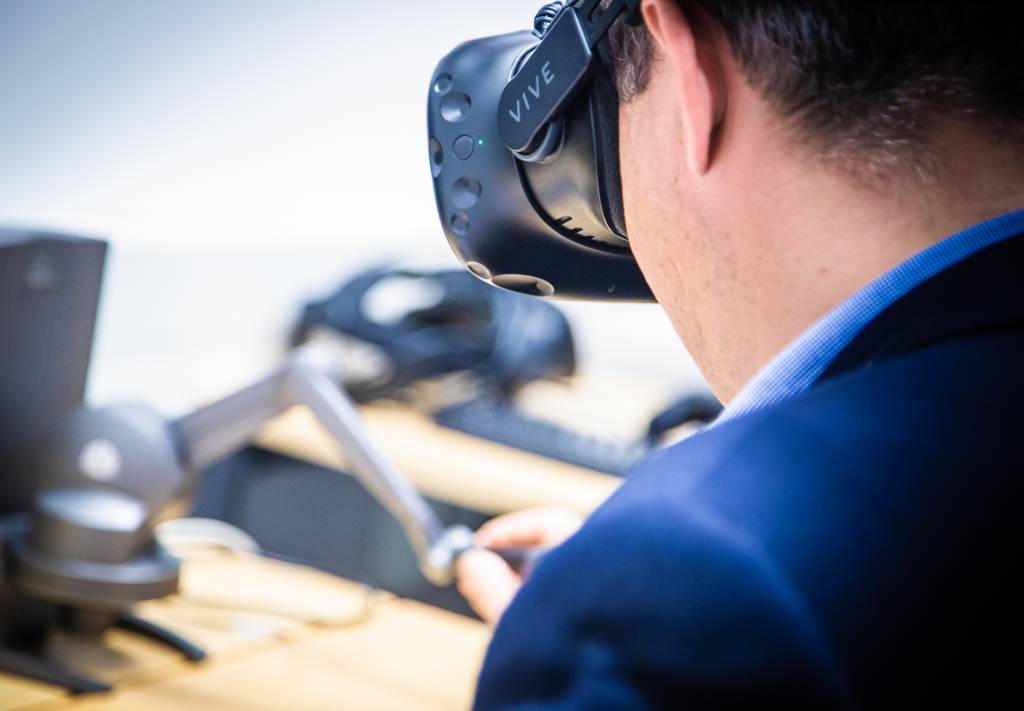
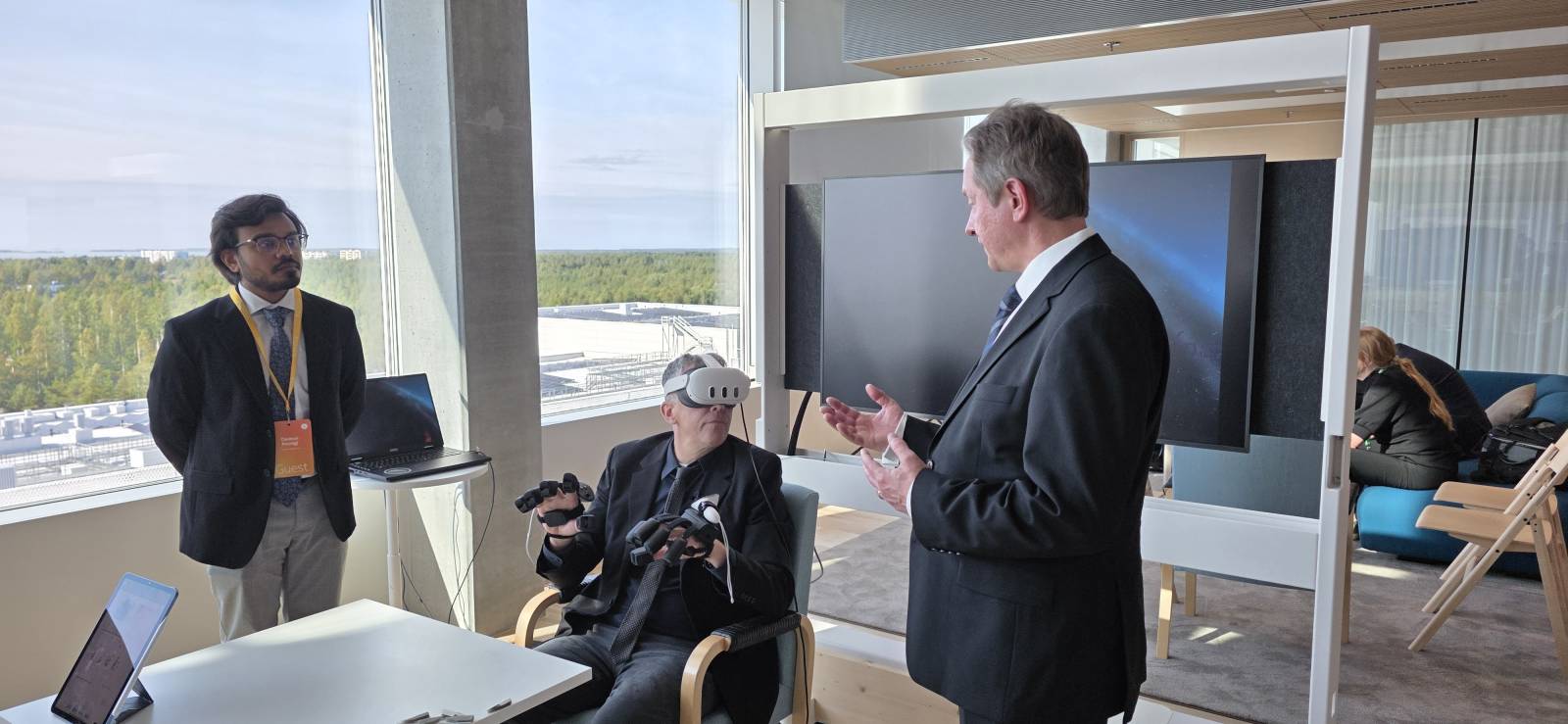
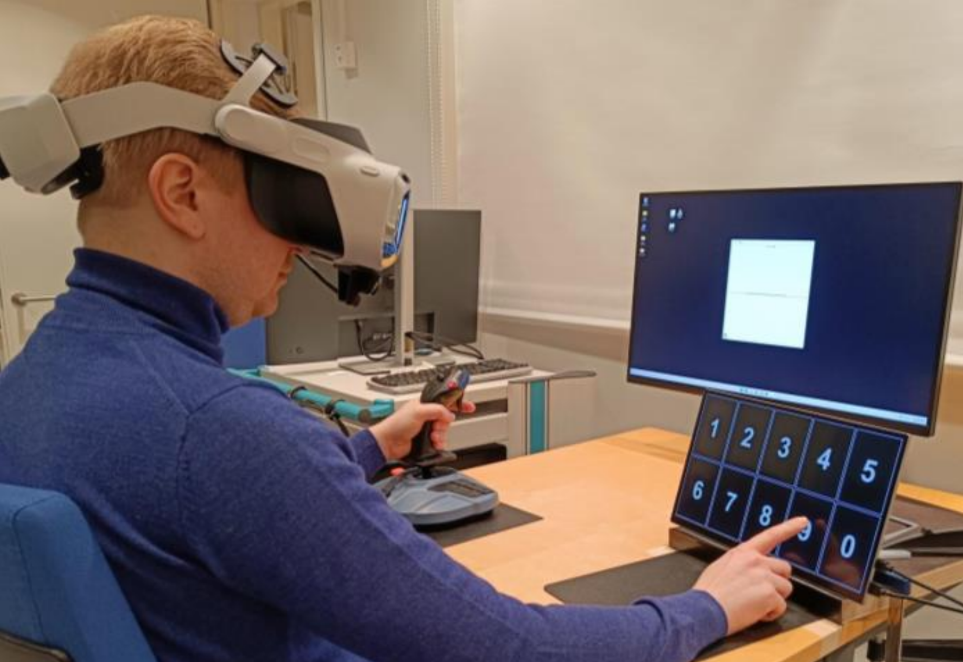
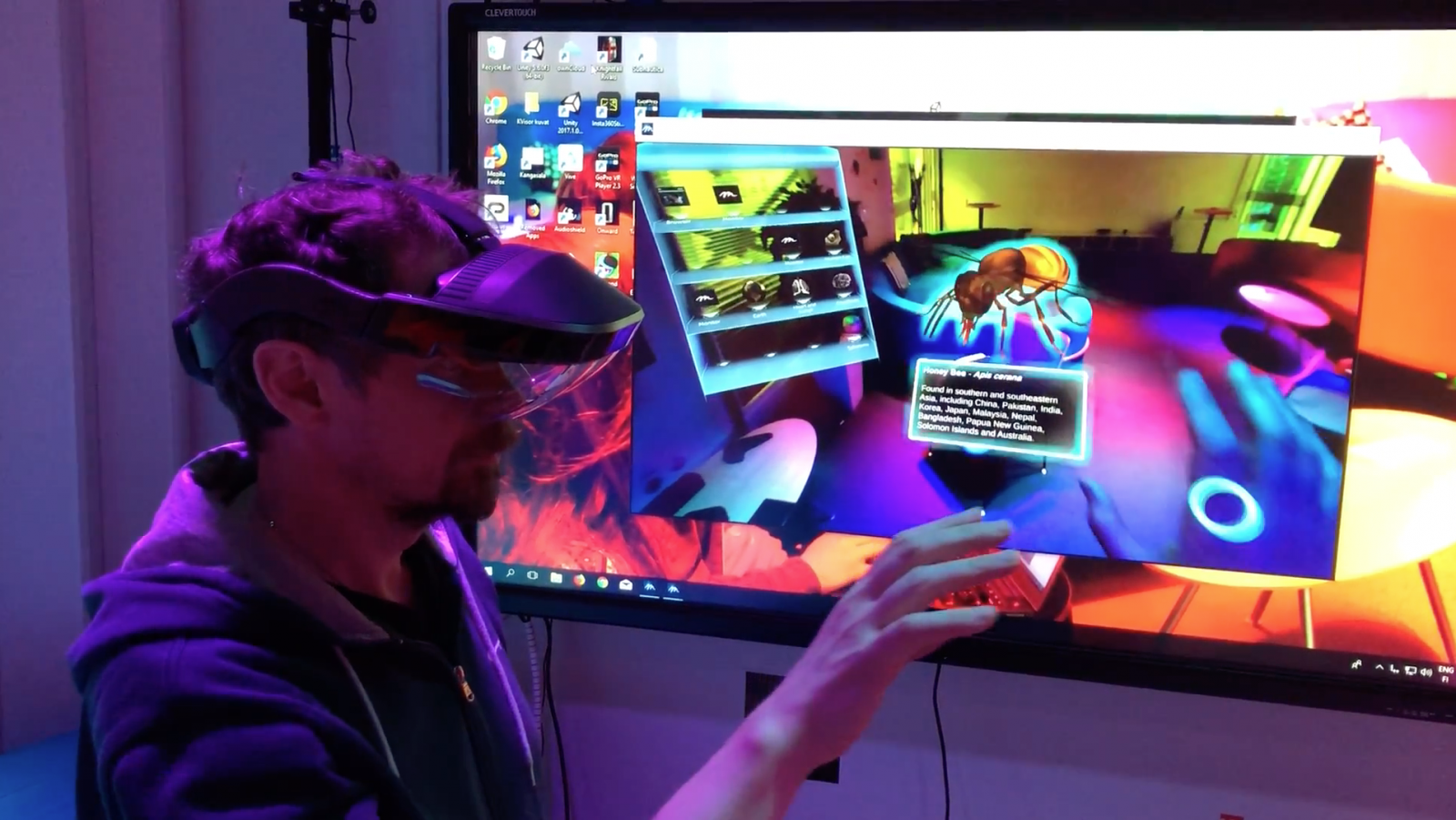
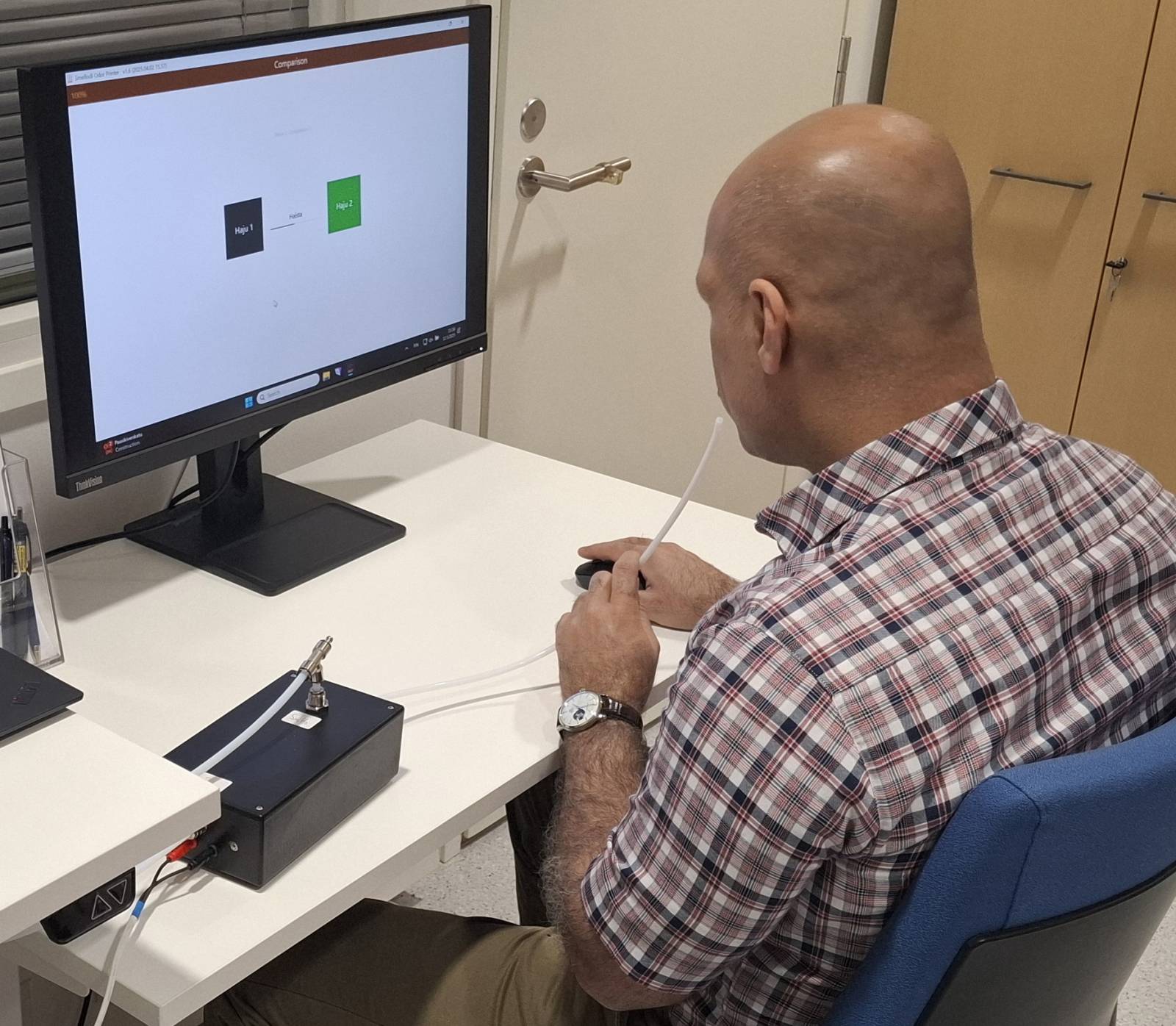
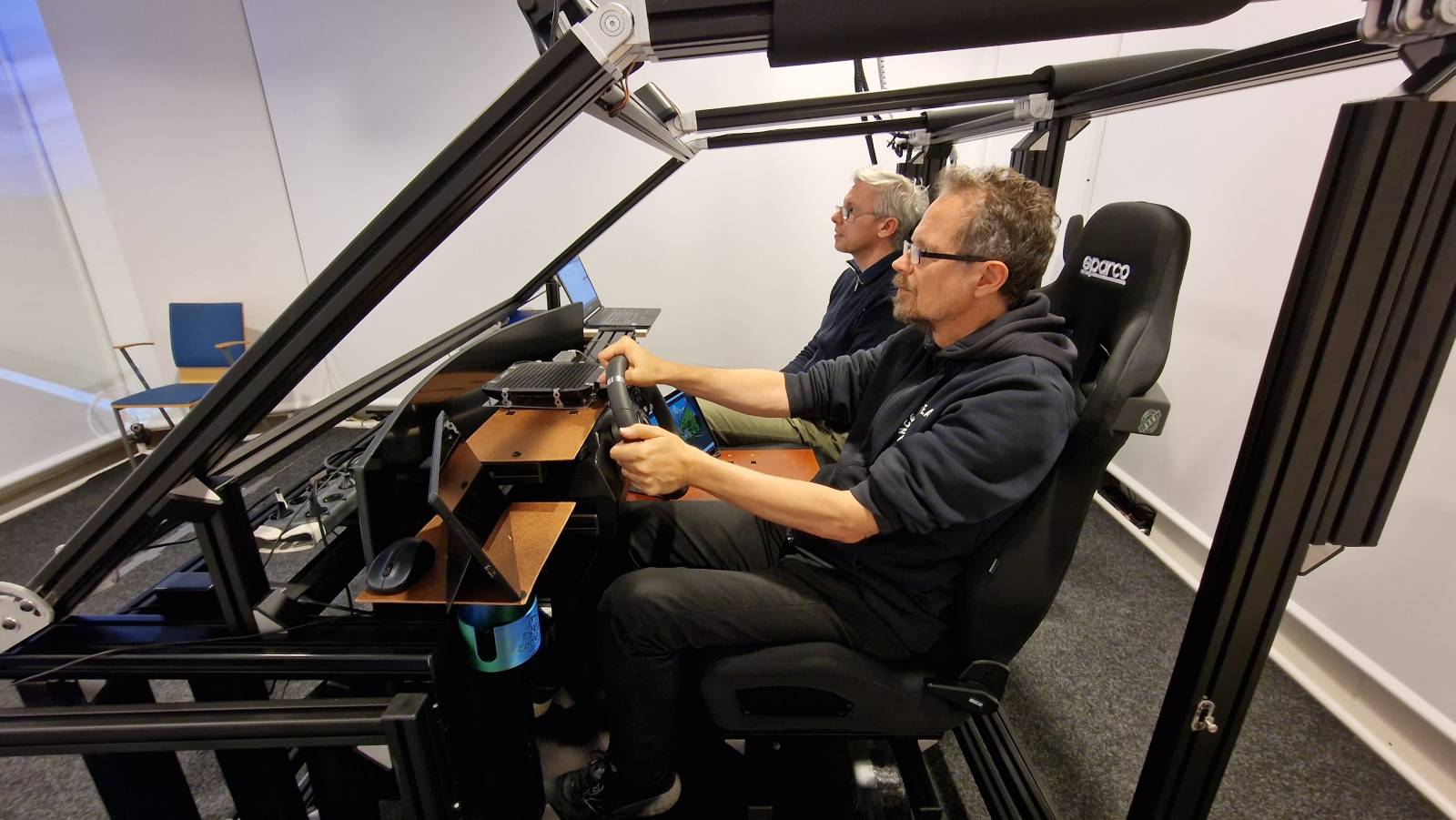
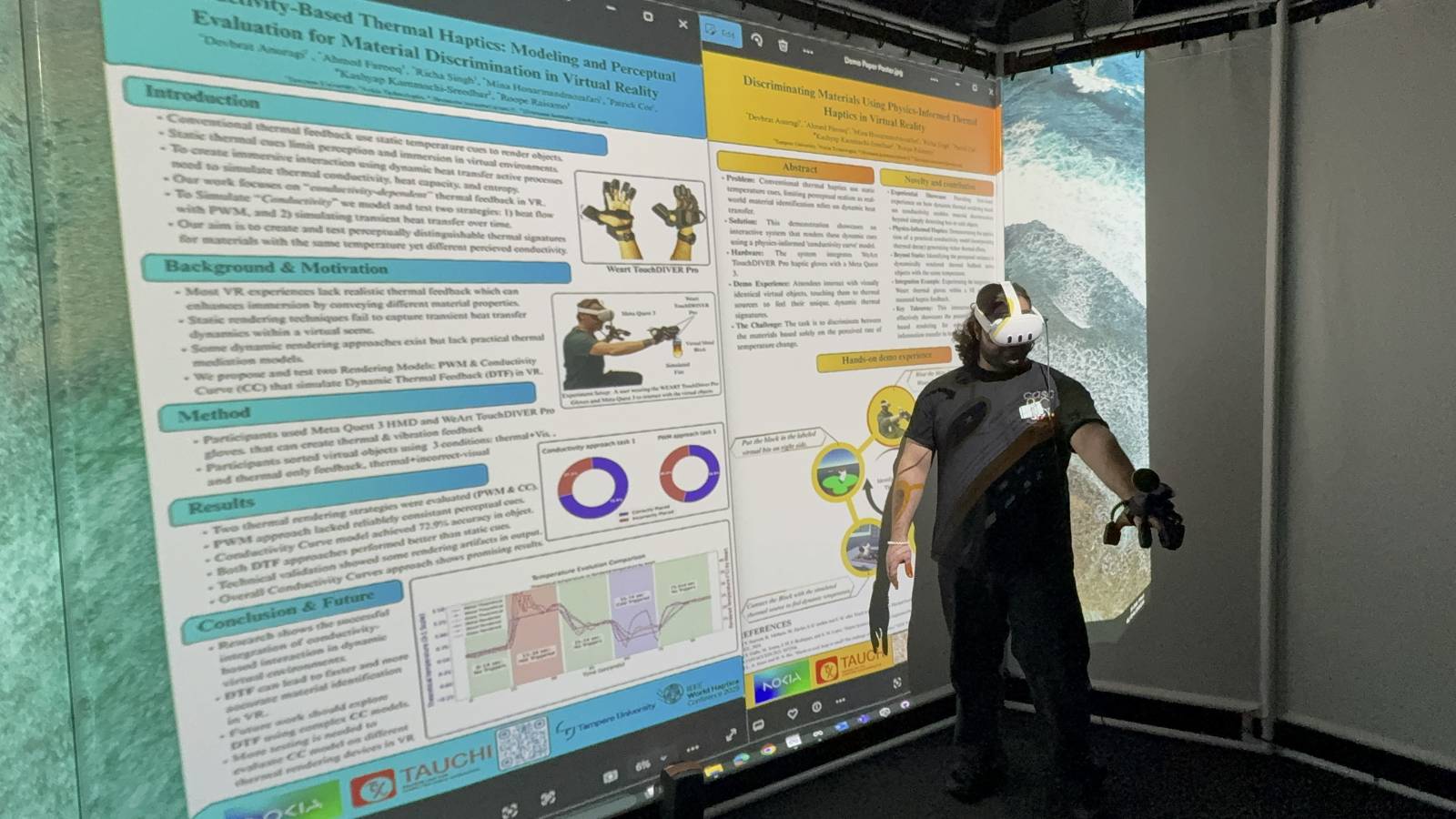
TAUCHI conducts constructive and experimental research to better understand how people interact with technology. Our goal is to identify the factors that shape and regulate human–technology interaction and use this knowledge to design better, more inclusive solutions. We place special emphasis on exploring underutilized interaction modalities—new and alternative ways for people to communicate with technology. In addition to our applied work, we also conduct theoretical research on interaction models, multimodal systems, and intelligent interfaces, as well as studies that examine how interaction design can support more sustainable and environmentally responsible technology use.
Our work aims to improve quality of life and promote digital inclusion, particularly for mobile users, people with disabilities, children, and older adults. By improving accessibility in information and communication technology, we help ensure that more people can benefit from digital services.
Our research produces both real-world services and widely applicable methods. We have developed public transportation route information services accessible via mobile phones using spoken dialogue, and these services are currently in public use in Tampere. Our foundational research has also produced methods that use physiological signals from the human body to predict emotional experiences, supporting the development of more responsive and user-centered mainstream applications. In addition, we design and prototype solutions for special user communities, including children and individuals with severe disabilities, such as a multimodal media center application for people with physical and visual impairments, an eye-tracking–based text-entry application that more than doubled the typing speed of users with motor neuron disabilities, and ongoing research into haptics (touch-based feedback) as a communication method for people with visual impairments and for users interacting with technology in busy or noisy environments.
Through this combination of research and practical development, TAUCHI advances inclusive, accessible, and innovative human–technology interaction.