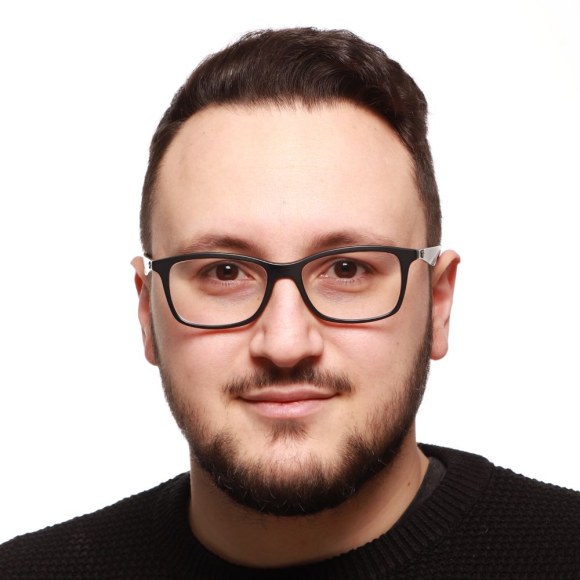
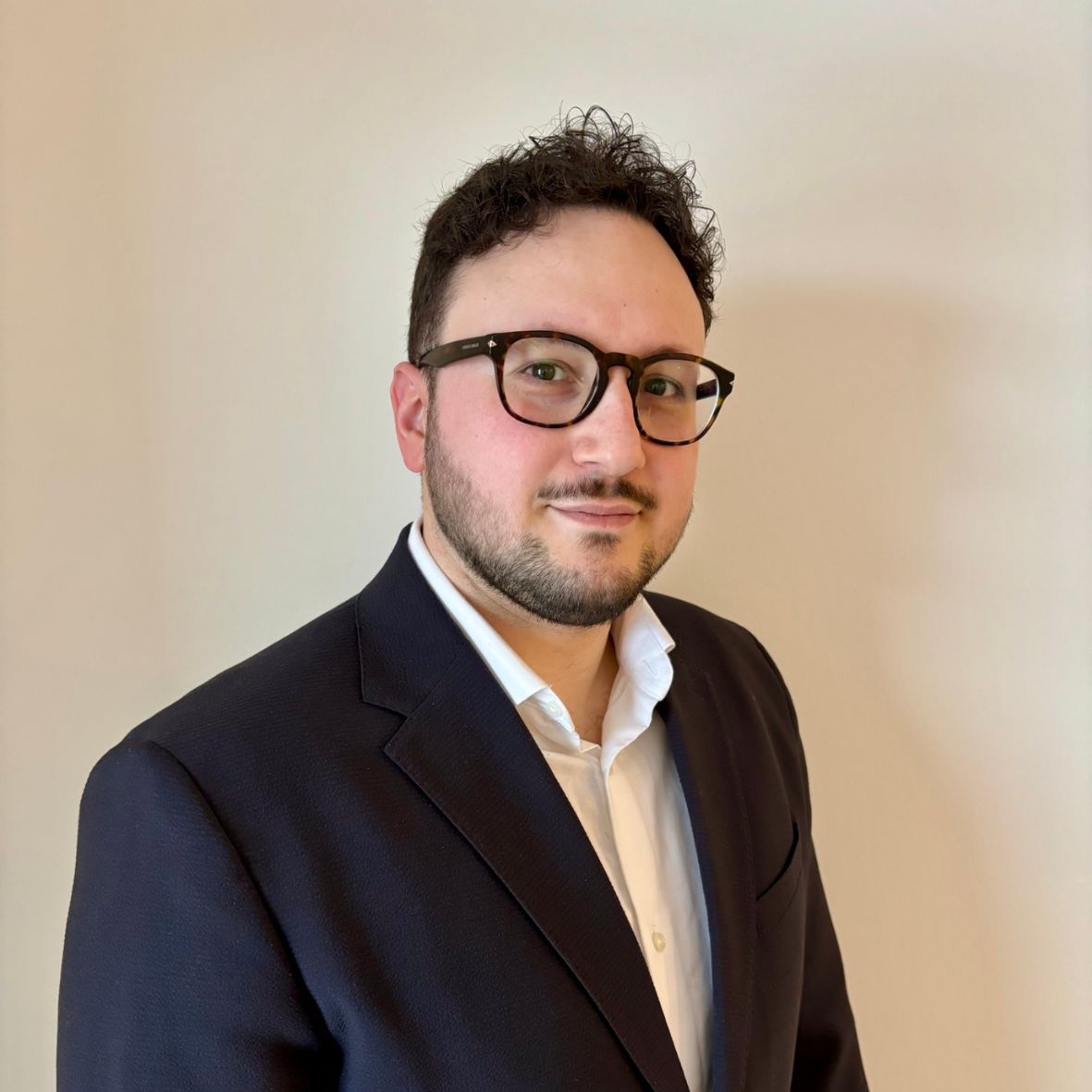
Since 2021, Tampere IAS has annually awarded fixed-term Senior Research Fellow positions. Each year, the programme receives several hundreds of applications, and Marco D’Ignazio is only the second recipient from the field of civil engineering to be granted this prestigious research funding.
The three-year Metawind project aims to improve geotechnical modelling of offshore wind foundations by focusing on cyclic soil behaviour, addressing key challenges, reducing risks, and supporting the development of offshore wind energy in Finland. Marco is supported in research by doctoral researcher Veera Isometsä.
In spring 2025, Marco D’Ignazio was also appointed Adjunct Professor (Docent) in Sustainable Geotechnical Engineering at Tampere University. He has long taught part-time alongside his design work, but with this new funding, research and development will become his main focus, providing a significant boost to the geotechnical team at Research Centre Terra.
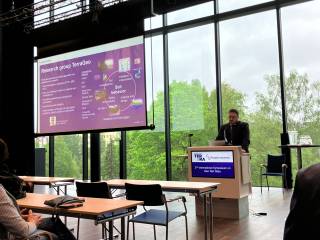
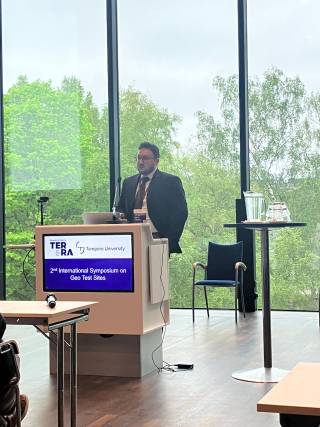
This summer, Marco D’Ignazio organised the 2nd International Symposium on Geo Test Sites (2nd ISGTS) in Tampere. The symposium, which focuses on geotechnical research at field test sites, brought together over 60 participants from 18 countries at Tampere Hall in June 2025. Keynote speakers included Dr. Jean-Sébastien L’Heureux from the Norwegian Geotechnical Institute (NGI), Professor Chong Tang from Dalian University of Technology in China, and Professor Tim Länsivaara, who gave a special lecture on Finnish experiences.
The programme featured five sessions with a total of 25 presentations and two panel discussions. All accepted symposium papers will be published in a Special Issue of the AIMS Geosciences journal.
Marco’s thoughts after the symposium:
“I can only say it exceeded all expectations. From an organiser’s point of view, everything went even better than I had hoped, and this is entirely thanks to participants: for their attitude, the friendly atmosphere, and the quality of their papers and presentations.
I particularly appreciated that the programme left ample room for discussion which, in my view, is the heart of any scientific conference. It’s clear to me that we should move towards a more holistic approach to site characterisation: one that integrates geological insight, geotechnical expertise, both traditional and innovative testing methods, while always keeping in mind the practical outcomes of our work. This aligns perfectly with Jean-Sébastien l’Heureux’s message in his outstanding 1st Rolf Sandven Keynote Lecture.
There was also a clear mix of excitement and concern around the role of AI and how it will shape geo testing in the future. Will synthetic data eventually be so reliable that we need less field testing? One thing is certain: our community shares the responsibility of ensuring that future engineers understand what AI is and how to use it wisely. And as Prof. Chong Tang reminded us in his keynote, none of this works without good data. Whether we’re training AI, calibrating numerical models, or interpreting field results, the quality and context of our data will always be at the heart of what we do.
Personally, I enjoyed the collaborative and open spirit of the symposium, the relaxed atmosphere, and participants’ curiosity about Finnish culture and the city of Tampere. At dinner – and especially at the sauna – I saw a group of old friends simply enjoying themselves and life. That, to me, is what the ISGTS family is all about. I truly hope we can maintain this spirit in future editions. “