Research Equipment
Our interaction technology laboratory has the latest hardware for multimodal interaction research. For example, we have different haptic and tactile feedback devices for haptic applications and cameras for computer vision applications.
Page is under construction.
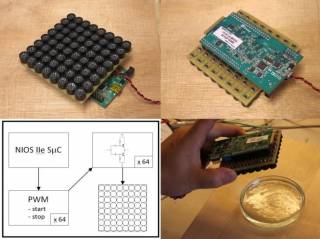 Ultrahaptics Stratos Explore has a 256-transducer array for providing mid-air touchless haptic feedback via ultrasound. A Leap Motion camera module performs hand tracking and gesture recognition. Haptic sensations can be programmatically generated, for example on a fingertip while tapping a virtual button. We have also constructed our own scalable ultrasound haptics array (8×8 of 40 kHz actuators).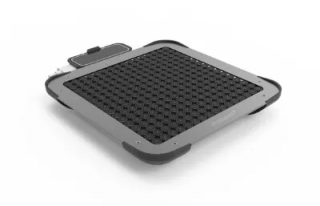
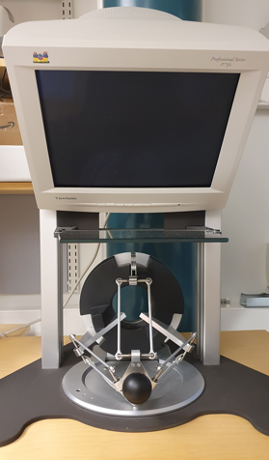 Reachin display with a haptic device (e.g., Omega haptic device) provides the user with a 3D haptic user interface.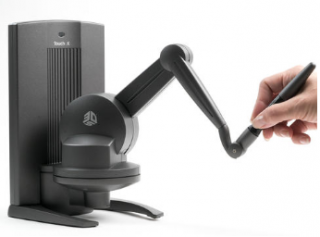
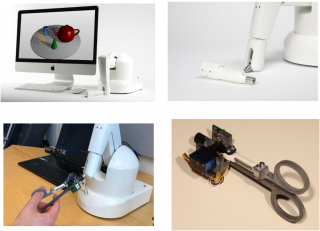 Polhem is a haptic device with 6 degree of freedom (DoF) input and 3 DoF output haptic (force) feedback.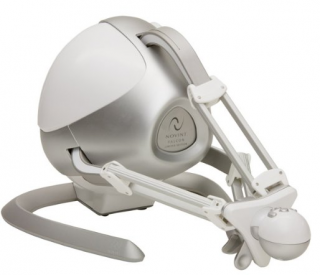
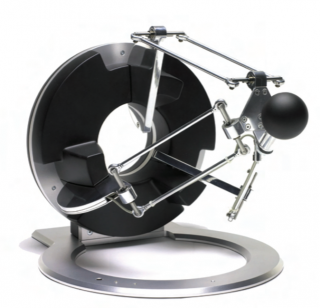 The Omega device provides 3D active force feedback for virtual objects, which has been used in many applications, such as virtual simulations, training systems and research.
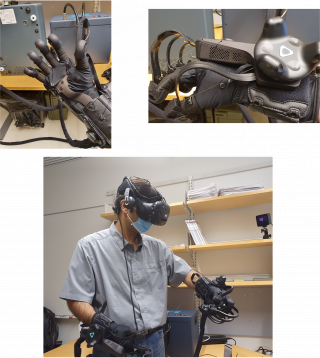 Haptx glove is a wearable haptic device which supports hand-based motions as the input with haptic (both tactile and force) feedback.
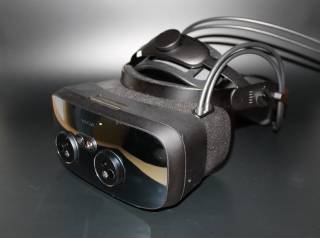 This mixed reality headset has Dual 12-megapixel video pass-through that allows you to switch between MR, AR, and VR.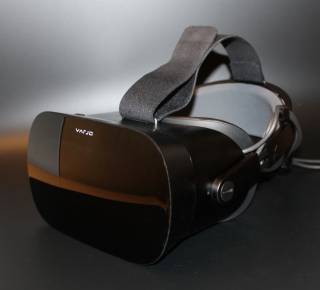
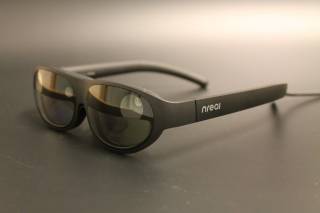 With hand tracking based interaction the user can interact with agmented reality wearing these AR smart glasses. It has plane/surface mapping, template tracking, and image recognition. It has MRTK support and support for multiusers in the same space. Integrated microphone and speakers.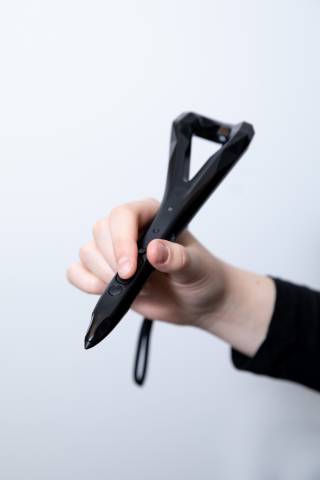
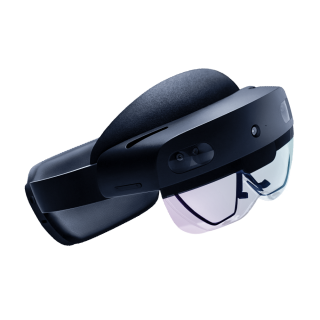
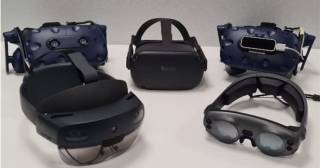 We have large selection of commercial consumer level HMDs for various demonstrators and experiments.
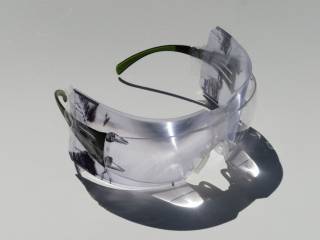 Our superwide field-of-view (FOV) optical design for HMD exceeds the full human FOV.
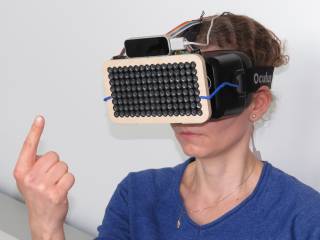 We have merged ultrasound haptics to head-mounted displays (HMD) and to mid-air fogscreens. The user can thus feel virtual objects in thin air. We have also investigated ultrasound haptics in other use scenarios such as in cars.
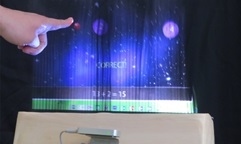
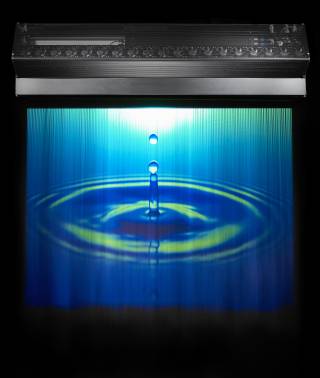 The FogScreen enables permeable, high-quality projected images hovering in thin air. Its micron-scale fog particles are dry to touch, and the screen feels just like air to the hand. The user can unobtrusively interact with the screen and walk or reach through it. The screen also stays clean and hygienic. The figure shows an example of an interactive, educational application of a small FogScreen.