
Updated 29 October 2025
Photos: Jonne Renvall, Tampere University
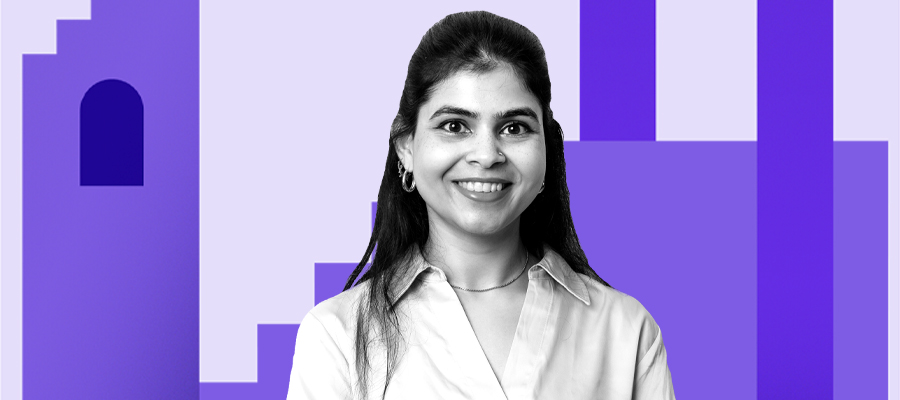
Nayanika Chakraborty, Postdoctoral Research Fellow, 2025-2027
Unravelling the Impact of Breast Cancer Matrix Stiffness on Cellular Uptake and Efficacy of Nanostructured Lipid Carriers (MechanoTargeting)
Personal profile page | Research activities | Nayanika and her research (video)
Nayanika Chakraborty is a dedicated chemist working at the interface of nanotechnology and chemical biology. She is currently a Postdoctoral Research Fellow with the Precision Nanomaterials Group, ENS faculty at Tampere University. Her research focuses on lipid nanoparticle-based therapeutics for precision oncology, aiming to overcome the limitations of free therapeutics and navigate biological barriers- that are heterogenous across patient population and diseases.
Her Tampere Institute for Advanced Study (IAS) project, MechanoTargeting, investigates how breast cancer matrix mechanics influence cellular uptake and therapeutic efficacy of nanostructured lipid carriers. By integrating lipid nanotechnology and pharmacological profiling in 3D culture matrices at breast-tumour relevant stiffness levels, her work aims to transcend the field beyond state-of-the-art by developing mechanoresponsive strategies for targeted cancer therapy.
This multidisciplinary research leverages her prior expertise (Ph.D., Chemistry and research assistance) in developing nanoscale therapeutics with spatiotemporal precision, modulating nano-bio interfaces, and understanding the biological effects of photothermal (PTT) and photodynamic therapy (PDT) at both cellular and tumour microenvironment levels.

Marco D’Ignazio, Senior Research Fellow, 2025-2028
METAWIND: Advancing Geotechnical Modelling of Offshore Wind Foundations
in the Gulf of Bothnia
Personal profile page | Research activities | Marco and his research (video)
Marco D’Ignazio is a Senior Research Fellow at the Tampere Institute for Advanced Study in 2025–2028 and Docent in Sustainable Geotechnical Engineering at Tampere University. His research project, METAWIND, aims to advance numerical modelling of offshore wind turbine foundations in the challenging glacial soils of the Gulf of Bothnia. The project integrates cyclic soil modelling and advanced laboratory testing to reduce uncertainty in current design methods and ultimately contribute to the sustainable growth of offshore wind energy in Finland and the wider Baltic Sea region.
Marco D’Ignazio obtained his doctoral degree in geotechnical engineering from Tampere University of Technology in 2016. He has more than nine years of professional experience in Finland and abroad, combining academic research with real-world projects. Alongside his research, he supervises master’s and doctoral students in geotechnical engineering. His work seeks not only to improve geotechnical modelling, but also to generate societal impact by supporting Finland’s ambition to expand offshore renewable energy.
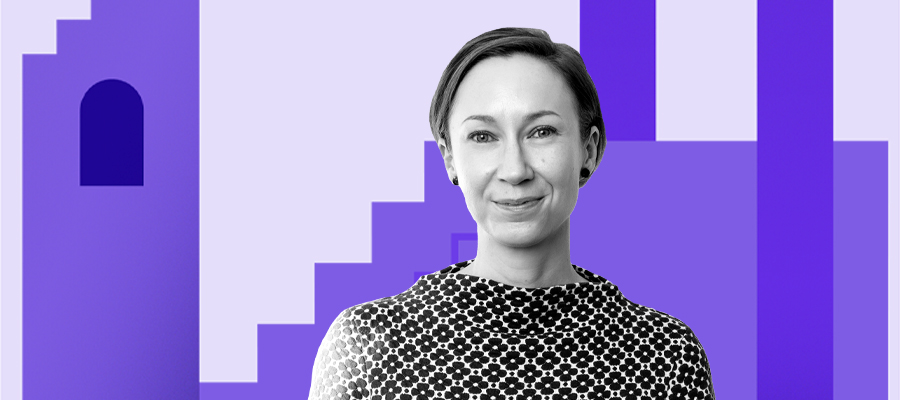
Katja Dindar, Postdoctoral Research Fellow, 2025-2027
Autism and Intersubjectivity: Authentic Interactions and Lived Experiences
Personal profile page | Research activities | Katja and her research (video)
Katja Dindar (PhD in Psychology) is a Postdoctoral Research Fellow at the Tampere Institute for Advanced Study 2025-2027. She holds a Title of Docent in Social Interaction and Communication Research in the field of Logopedics. Her research is multidisciplinary and centered on understanding the social worlds of neurodivergent and neurotypical people. She is interested in participatory research methods and community engagement.
She is currently investigating how autistic and non-autistic children and adults build intersubjectivity, with attention to both shared and divergent interactional practices and lived experiences. This work is situated at the intersection of the neurodiversity paradigm, participatory research and qualitative methodologies, including ethnomethodology and conversation analysis. Broadly, her research aims to foster more accepting and inclusive attitudes toward autism and other neurodivergent minorities.
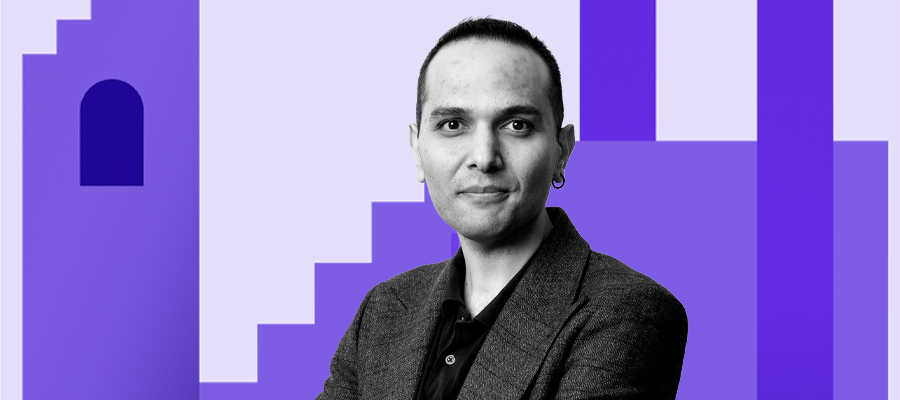
Ali Eftekhari, Postdoctoral Research Fellow, 2025-2027
Bioscaffold Fabrication upon Deep Tissue-Penetrating Red/Near-Infrared Light (DELIGHT)
Personal profile page | Research activities | Ali and his research (video)
I am a physical chemist investigating light–matter interactions, bridging fundamental insight and application. As a postdoctoral researcher, I focus on interdisciplinary research by creating on-demand photochemical strategies for additive manufacturing and photopharmacology. My DELIGHT project, funded by the Institute for Advanced Studies (IAS), advances novel photochemical approaches that operate under low-energy light—red, far-red, and near-infrared—to crosslink hydrogels. I am also integrating these chemistries with light-based 3D-printing platforms—direct laser writing (DLW), digital light processing (DLP), and tomographic 3D printing—for biofabrication. Ultimately, my goal is to design efficient, cell-compatible photochemical systems and use them with living cells to build scaffolds that mimic the native dynamics of the extracellular matrix, as well as high-resolution drug carriers whose function can be controlled by light.
Outside the lab, I enjoy listening to podcasts, biking, swimming, and hiking, and I’m currently learning to cook world cuisines—especially pizza and bread.
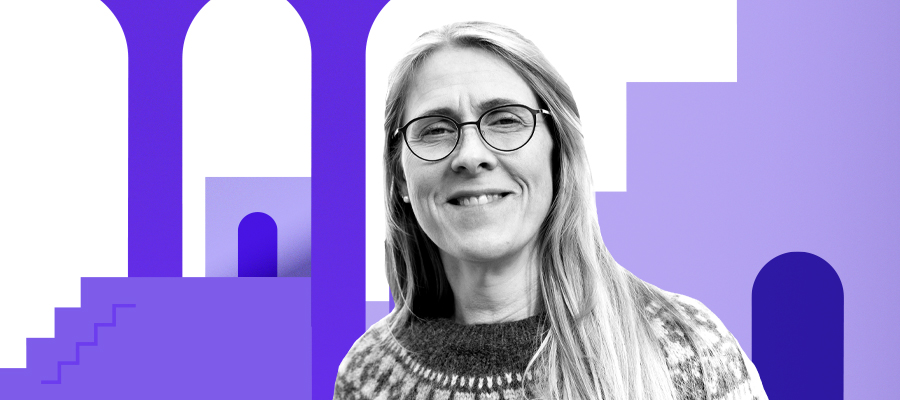
Karita Haapasalo-Tuomainen
Inflammation in the Brain: The Molecular Mechanisms Underlying Alzheimer’s Disease
Personal profile page | Research activities | Karita and her research (video)
Adjunct professor, PhD, Karita Haapasalo is a Senior Research Fellow at the Tampere Institute for Advanced Study (2025-2028). She is leading a research group called “Inflammation & infections” at the University of Helsinki, Finland. Her work aims to elucidate the mechanisms of complement activation and regulation in vascular and neurovascular inflammation.
After finishing her PhD at the Department of Bacteriology and Immunology, University of Helsinki she did her post doc at UMC Utrecht, Netherlands where she revealed new insights into staphylococcal toxins and immune cell interactions. Since then, her team has described novel mechanisms by which the complement system shapes inflammation in atherosclerosis and Alzheimer’s disease, and how microbes and microbial toxins modify host immunity and lipoproteins.
International collaboration and scientific exchange are hallmarks of her career. She has worked as a Senior Research Fellow and visiting Scientist in the Genetics and Aging Research Unit at Harvard Medical School and Massachusetts General Hospital, MA, US . There, she used innovative 3D tetraculture models, which, together with patient-derived samples are now used to unravel the complex interplay between Amyloid β, microbes, human cells and the complement system. Her aim is to uncover how these interactions tip the humoral balance from non-inflammatory to pro-inflammatory direction with a focus on Alzheimer’s disease, neuroborreliosis, macular degeneration and related degenerative diseases.
Her work is supported by the Research Council of Finland, Jane and Aatos Erkko Foundation and Sigrid Jusélius Foundation. Previous support from The Finnish Foundation for Cardiovascular Research, Finnish Brain Foundation and The Finnish Society of Sciences and Letters has been instrumental in advancing her research.
Complete List of her Published Work can be found in Orchid: 0000-0002-9619-625X
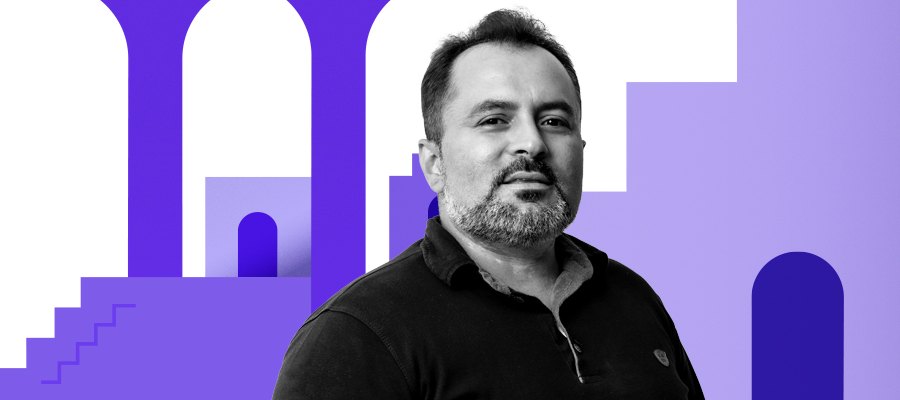
Mohieddin Jafari, Senior Research Fellow, 2025-2028
Precision Combinatorial Targeted Therapy for Acute Myeloid Leukemia Based on
Drug-tolerant Persister Cancer Cells
Personal profile page | Research activities
Mohieddin Jafari is an IAS Senior Research Fellow in the Faculty of Medicine and Health Technology at Tampere University and holds the title of Docent in Bioinformatics at the University of Helsinki. He is the Principal Investigator of the Systems Pharmacology Research Group, primarily based at Tampere University with a joint affiliation at the University of Helsinki.
His research integrates proteomics, mass spectrometry, biological data mining, and network biology to develop systems pharmacology approaches for rational combinatorial cancer therapy. By combining computational and experimental strategies, his group investigates drug synergy, efficacy, and toxicity, and elucidates the molecular mechanisms of drug action through functional omics and network-based analyses.
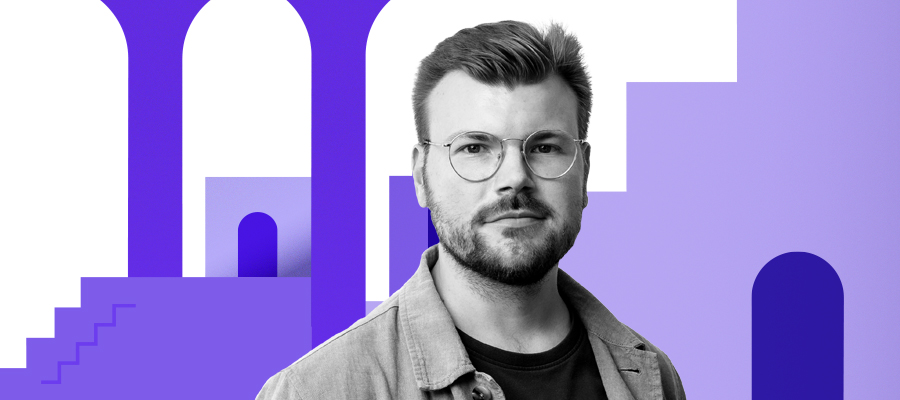
Joel Jaskari, Postdoctoral Research Fellow, 2025-2027
Computationally Efficient Artificial Intelligence in Health
Personal profile page | Research activities | Joel and his research (video)
Joel Jaskari (D.Sc. Tech.) is a Postdoctoral Research Fellow at the Tampere IAS and in the Decision Support for Health Research Group at the Faculty of Medicine and Health Technology (MET). He obtained his doctoral degree from Aalto University in 2022 on machine learning for healthcare. His research interests are deep generative models, data and compute efficient machine learning, and statistical models for medical and health domains.
His current research aims to develop multi-modal generative models for medical applications, e.g., through the combination of imaging, sensor/lab measurements, medical reports, etc., and to make these approaches more accessible in the medical domain through computationally efficient deep learning.
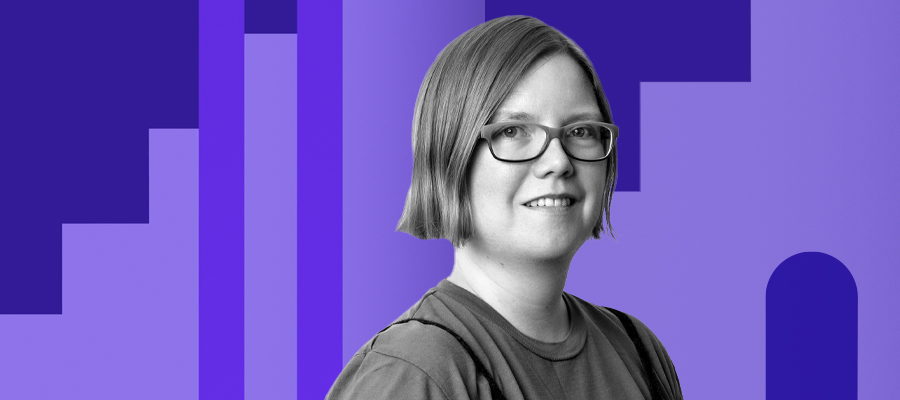
Onerva Korhonen, Senior Research Fellow, 2025-2028
ONerBrain: Optimized Multilayer Network Model for Interacting Brains
Personal profile page | Research activities | Onerva and her research (video)
Onerva Korhonen is a Senior Research Fellow at the Tampere Institute for Advanced Study and a member of the Tampere Complexity Lab at the Faculty of Information Technology and Communication Sciences. Korhonen obtained their doctoral degree at Aalto University, Finland, in 2018 with a thesis about the problems of defining nodes of functional brain networks. Afterwards, Korhonen has conducted research at Université de Lille, France, Universidad Politécnica de Madrid, Spain, Aalto University, and University of Eastern Finland and gained personal research funding from Osk. Huttunen Foundation, Emil Aaltonen Foundation, and Research Council of Finland.
In their research, Korhonen applies tools from network science to investigate real-world complex systems as diverse as the human brain, climate and sustainability policy, and plant xylem. At the Tampere Institute for Advanced Study, Korhonen develops models for human brain function based on the theory of multilayer and temporal networks. The primary goal of Korhonen’s project is to model the brain as a multilayer network with time-dependent, optimized nodes, and to apply this model to investigate the brain function during both individual tasks and social interaction.

Jukka Könönen, Senior Research Fellow, 2025-2028
Fear of Small Numbers: The Instrumentalisation of Hybrid Threats and Militarisation
of Migration Beyond the Northeastern Border Spectacle
Personal profile page | Research activities
Jukka Könönen (PhD, Docent) is a Senior Research Fellow at the Tampere IAS, affiliated with the Faculty of Social Sciences. He has conducted multidisciplinary research on border, migration, and control polices, including the asylum system, immigration detention, and deportations. His research has critically addressed administrative practices in immigration policies with a particular concern for human rights, alongside a broader theoretical analysis of the governance of marginalized populations.
His current research project focuses on the emerging conceptualization of the instrumentalization of migration within the hybrid threat framework, and its wider implications for international law and the transformation of EU migration policies.
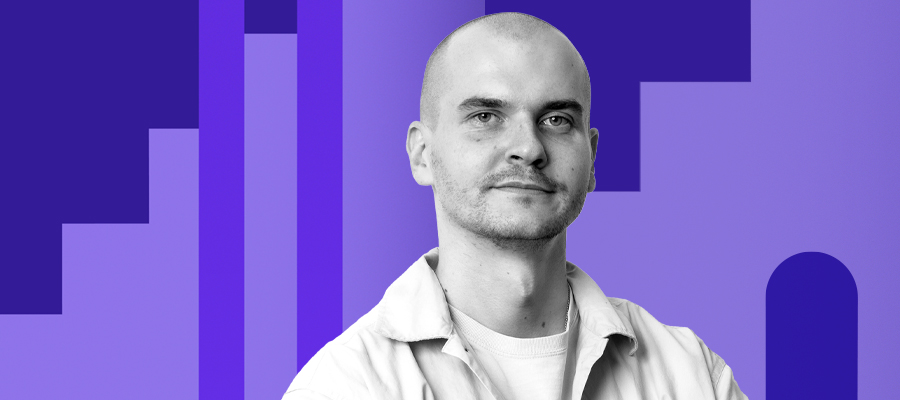
Konstantin Malafeev, Posdoctoral Research Fellow, 2025-2027
BIOdegradable Microplastics: Characterization, Long-term Environmental Aging, and Risk Assessment (BIO-CLEAR)
Personal profile page | Research activities | Konstantin and his research (video)
Konstantin Malafeev studied at Peter the Great St. Petersburg Polytechnic University, where he earned his Ph.D. in 2021. His doctoral research focused on developing biodegradable composite sutures by combining materials science with in vivo biological testing. After earning his Ph.D., he joined the University of Salerno, where he studied the degradation of polymers and the formation of microplastics in packaging films. Since 2024, he has worked at Tampere University as a postdoctoral researcher focusing on adhesion in PLA-based composites.
In 2025, he began working on the BIO-CLEAR project (Biodegradable Microplastics: Characterization, Long-Term Environmental Aging, and Risk Assessment) as a postdoctoral research fellow at the Tampere Institute for Advanced Study. This project investigates the degradation of commercial bioplastics and natural fiber composites into microplastics and assesses their cytotoxicity using advanced 3D in vitro models. The BIO-CLEAR project aims to provide fundamental knowledge on the role of stabilizers, additives, and fiber-matrix interactions in the release and toxicity of biodegradable microplastics. These findings will contribute to the development of safer, more sustainable materials.

Antti Malinen, Senior Research Fellow, 2025-2028
Children’s Experiences and Affordances of Informal Support in Finland, 1945–2025
Personal profile page | Research activities | Antti and his research (video)
Antti Malinen (PhD, Docent) is a historian specializing in the history of childhood and child welfare.
Within the Tampere IAS Fellowship (2025–2028), Malinen’s project “Children’s Experiences and Affordances of Informal Support in Finland, 1945–2025” offers a pioneering approach to understanding children’s well-being in the context of a changing welfare state by examining how informal support networks have shaped children’s experiences and resilience over eight decades. By integrating historical analysis with insights from environmental psychology and resilience studies, his research challenges traditional, institution-focused well-being studies and emphasizes the multi-sited and relational nature of children’s well-being.
Malinen also leads the Kuulluksi project (2022–2026, funded by the Kone Foundation), which develops arts-based and participatory methods for ethical memory work in child welfare and promotes the well-being of care-experienced young people.
He is an active science communicator and public historian. In addition to founding the website www.lapsuudenhistoriaa.fi, he collaborates with partners such as the Museum Leikki and Juniversity in developing exhibitions and public engagement programmes that bring research on the history of childhood to wider audiences. Malinen also provides continuing education for child welfare professionals, drawing on historical research to reflect on the evolving practices and values of care work.
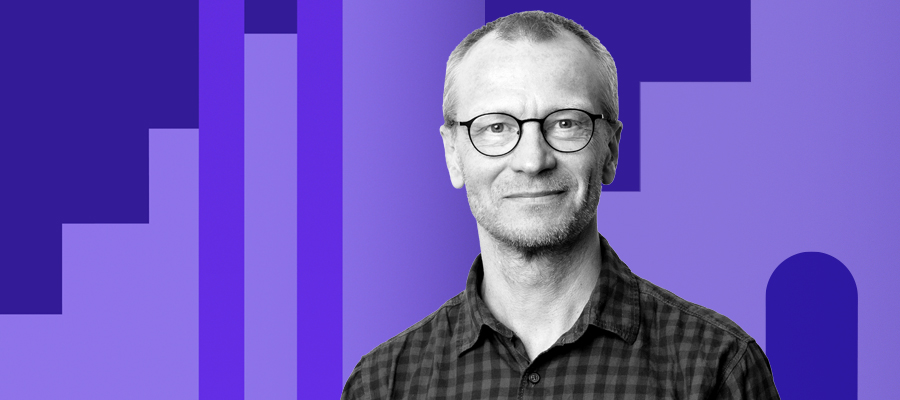
Mika Perkiömäki, Postdoctoral Research Fellow, 2025-2027
Climate Obstruction in Russian Media
Personal profile page | Research activities | Mika and his research (video)
Dr Mika Perkiömäki is a Postdoctoral Research Fellow at the Tampere Institute for Advanced Study. He specialises in environmental humanities and environmental social sciences, with a particular focus on Russian culture and media. He earned his doctoral degree in Russian language and culture from Tampere University in 2021. Prior to joining Tampere IAS, he worked for several years at the Aleksanteri Institute and the Department of Languages at the University of Helsinki. His research interests include ecocriticism, river and water studies, environmental media and journalism, climate policy, and climate obstruction. He serves as the Editor-in-Chief of Idäntutkimus, the Finnish journal of East-European studies. He is the Vice Chair of the Society of Finnish Slavists and an active member of international academic networks, including Climate Social Science Network’s working group Climate Obstruction in Authoritarian and Non-democratic States, and the network Russian Ecospheres—Forms of Ecological Knowledge in Russian Literature, Culture and History.
At the Tampere IAS, Dr Perkiömäki investigates climate obstruction in Russian pro-state media discourse on climate change and the energy transition from 2019 to 2025. His research examines three forms of climate obstruction: denial, delay, and inaction. He also analyses shifts in Russian media narratives and public policy on climate change, focusing on the consequences of two key moments: Russia’s ratification of the Paris agreement in December 2019, and the full-scale invasion of Ukraine in February 2022.
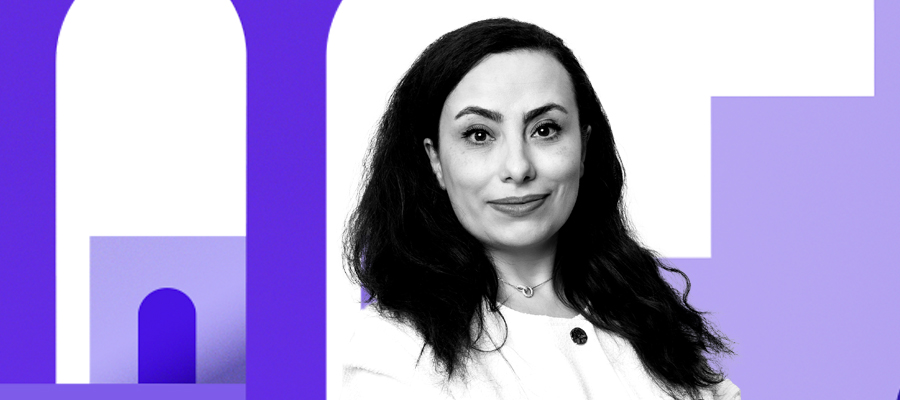
Parinaz Poursafa, Postdoctoral Research Fellow, 2025-2027
Emerging Role of Environmental Exposures as Novel Risk Factors in Biological Aging
Personal profile page | Research activities | Parinaz and her research (video)
Parinaz Poursafa is a Postdoctoral Research Fellow at the Tampere Institute for Advanced Study for the period 2025–2027. She is currently working in the Systems Biology of Aging research group in the Faculty of Medicine and Health Technology at Tampere University.
With over a decade of research experience in environmental health sciences and environmental epidemiology, she specializes in investigating how air pollution and other environmental exposures affect human health. Her current research focuses on the emerging role of environmental exposures as novel risk factors in biological aging, integrating environmental and biological data to uncover mechanisms underlying accelerated aging.
She is broadly interested in understanding the role of environmental exposures in health across the lifespan, contributing to a deeper understanding of the mechanisms through which the environment shapes health and disease.

Alexandra Schaffert, Postdoctoral Research Fellow, 2025-2027
A Data-Driven Mechanistic Framework for
Advanced Non-Animal Chemical Safety Assessment
Personal profile page | Research activities | Alexandra and her research (video)
Dr. Alexandra Schaffert is a Postdoctoral Research Fellow at the Finnish Hub for Development and Validation of Integrated Approaches (FHAIVE) at Tampere University. Her research advances data-driven, human-relevant approaches for chemical safety assessment to reduce and ultimately replace animal testing.
Her IAS project develops a mechanistic framework that integrates large-scale molecular and omics data with structured toxicological knowledge to better understand how chemicals trigger adverse effects in biological systems. By improving the interpretation and regulatory use of non-animal test data, her work supports the transition toward more predictive and sustainable safety evaluation.
Beyond her research, she is actively engaged in international collaborations and science policy initiatives that promote the adoption of innovative, mechanism-based approaches in chemical safety assessment.
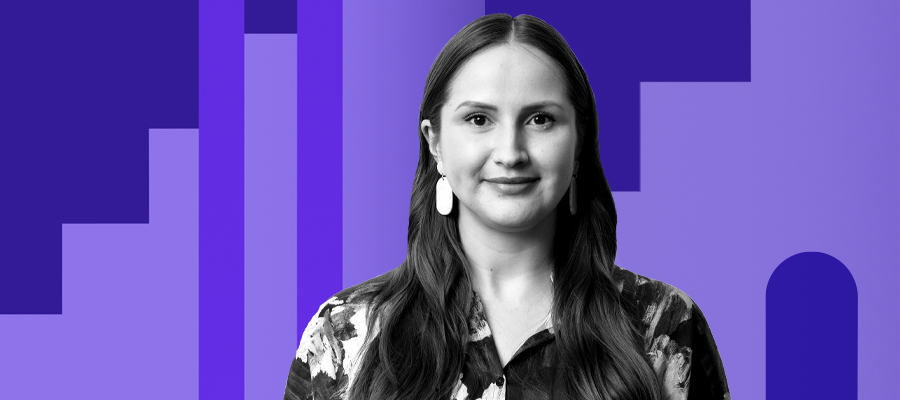
Katariina Tuominen, Postdoctoral Research Fellow, 2025-2027
The Purpose of a Long Life: A Cross-cohort Qualitative Study on the Lived Experience of a Long Life and the Social Construction of Longevity
Personal profile page | Research activities | Katariina and her research (video)
Katariina Tuominen is a Postdoctoral Research Fellow at the Tampere Institute for Advanced Study (Tampere IAS) and the Gerontology Research Center (GEREC) at the Faculty of Social Sciences. She obtained her doctoral degree in Health Sciences, specialising in Gerontology, from Tampere University in 2023.
Tuominen’s research explores ageing as a social and cultural phenomenon. In the Tampere IAS her work focuses particularly on the lived experience and social construction of longevity. She draws on data from the Vitality 90+ Study, a long-running research infrastructure initiated in 1995 at Tampere University that examines the oldest old population. Her current work investigates how experiences and constructions of old age and longevity have evolved over time by analysing life-story interviews conducted with individuals aged 90 and above across three different decades.