Research

TAUCHI is a research center where six research groups work together to provide wide-ranging and interdisciplinary expertise in the field of human–technology interaction. By combining knowledge from multiple disciplines, the center addresses complex challenges in the design, development, and evaluation of human-centered technologies.

In every project, we assemble a tailored team of researchers from multiple groups to meet the project’s specific needs. TAUCHI currently includes around 90 research staff members, enabling us to combine diverse expertise.

Our research methods span the full spectrum of human–technology interaction, including:

  • UX design
  • Constructive research on new multimodal interaction concepts
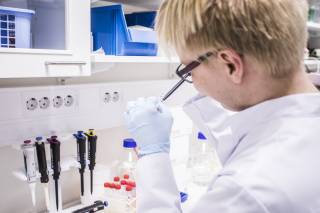
  • Experimental basic research conducted in laboratories
  • UX evaluation and field studies
  • Theory building

We work closely with companies to co-create new technologies, often leading to patentable innovations and novel solutions. At the same time, we publish our findings in high-quality international venues, contributing to the global research community.

TAUCHI’s societal impact was rated excellent in the 2014 Research Assessment Exercise of the University of Tampere, reflecting our strong and diverse collaborations, including:

  • Partnerships with companies across multiple industrial sectors
  • Cooperation with public and societal organizations
  • Global research collaboration with leading partners in the USA, Canada, Europe, and India

Through interdisciplinary teamwork and international partnerships, TAUCHI ensures both scientific excellence and meaningful real-world impact.
TAUCHI Research Groups

Multimodal Interaction Research Group (MMIG)

MMIG focuses on constructive and experimental research into combining interaction modalities within human-technology interaction. The group invents new technologies, studies technologies in controlled experiments, and creates functional solutions together with partners. The aim is to carry out enabling research to allow increasing use of latest interaction technologies in real everyday systems.

Leader: Prof. Roope Raisamo
Website: MMIG

Pervasive Interaction Research Group (PIRG)

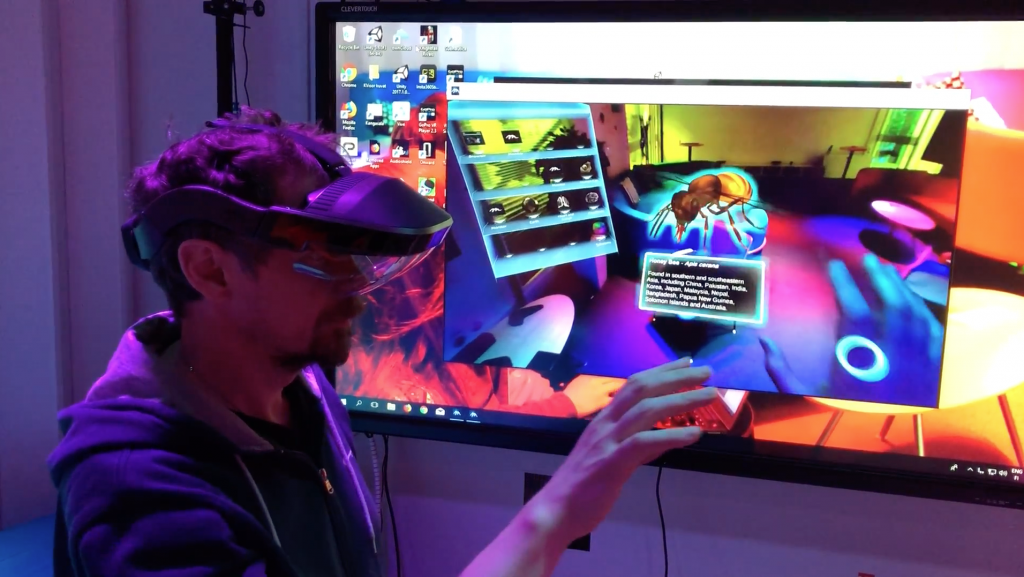
PIRG explores the role and application of of innovative technologies to create novel human-technology interaction solutions in a variety of real-world uses, from educational to industrial contexts. Our main research interests include, but not limited to extended reality (virtual, augmented and mixed realities, especially for education and work-related activities), accessibility and inclusion, remote control and telepresence, multimodality and interaction techniques (with a focus on non-traditional interaction, such as speech and gestures), experimental research on novel human-technology interactions.

Leader: Prof. Markku Turunen
Website: PIRG

Research Group for Emotions, Sociality, and Computing (ESC)

ESC group aims to develop new type of HCI/HTI by combining research from various disciplines, for example, from psychology, computer science, and engineering. A central aim is to develop HCI/HTI in a way that it parallels to the mechanisms of human-human communication. In respect to user interface development we develop prototypes that can utilize changes in the electricity of the human body (i.e. psychophysiological computing) and the changes in behavioral level (i.e. psychobehavioral computing).

Leader: Prof. Veikko Surakka
Website: ESC

Technology and Social Interaction Research Group (TSI)

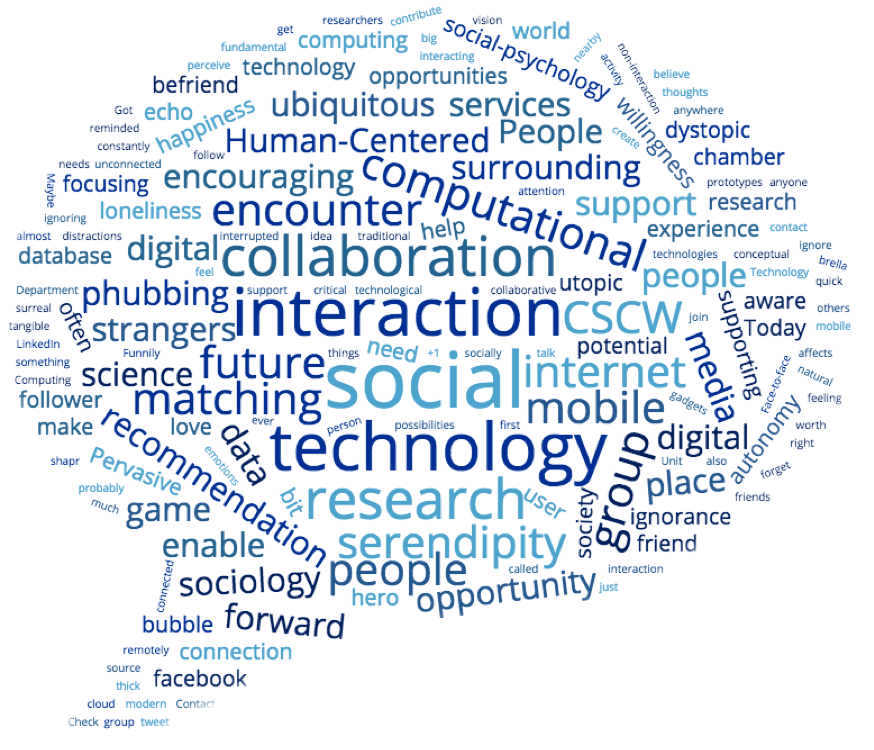
TSI research group is interested in the role of technology in social interplay. We aim to enhance human sociality and collaboration with novel forms of ICT. Our research interests include social matching, UI in mediated communication, critical and speculative design, ICT ethics and design responsibility, social acceptance, and human-AI collaboration. We argue to be a truly cross-disciplinary group, building on research on human-technology interaction, computer-supported cooperative work, social technologies, socio-technical systems, user experience, data science, internet research, and social psychology.

Leader: Prof. Thomas Olsson
Website: TSI

The Unit of Human-Centered Technology (IHTE)

IHTE research group is part of Unit of Computing at Tampere University (TAU). IHTE’s mission is to improve people’s quality of life and sustainability of human activities by conducting design research of novel interactive technologies. The research aims also at developing methods for designing, evaluating and implementing novel technical systems with pleasurable user experience. The research is multidisciplinary and combines engineering and technology development with psychological, sociological and design understanding.

Leader: Prof. Kaisa Väänänen
Website: IHTE

Augmentative Technology

The Augmentative Technology group is a multidisciplinary team rethinking how technology can seamlessly blend into and augment our lives. Its researchers focus on solutions that foster engaging and adaptable environments, promoting cognitive, physical, and social well-being. The team are committed to designing and implementing user-centered technologies that adapt to individual needs, empowering users to thrive without being confined by rigid technological constraints.

Leader: Prof. Johanna Virkki
Website: AugTech

AT