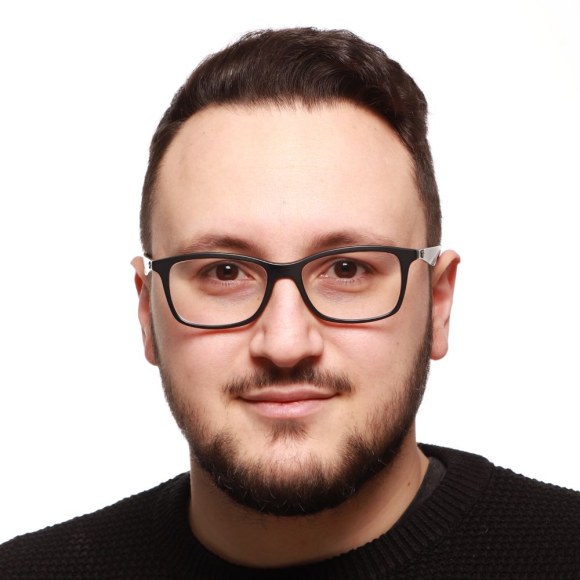
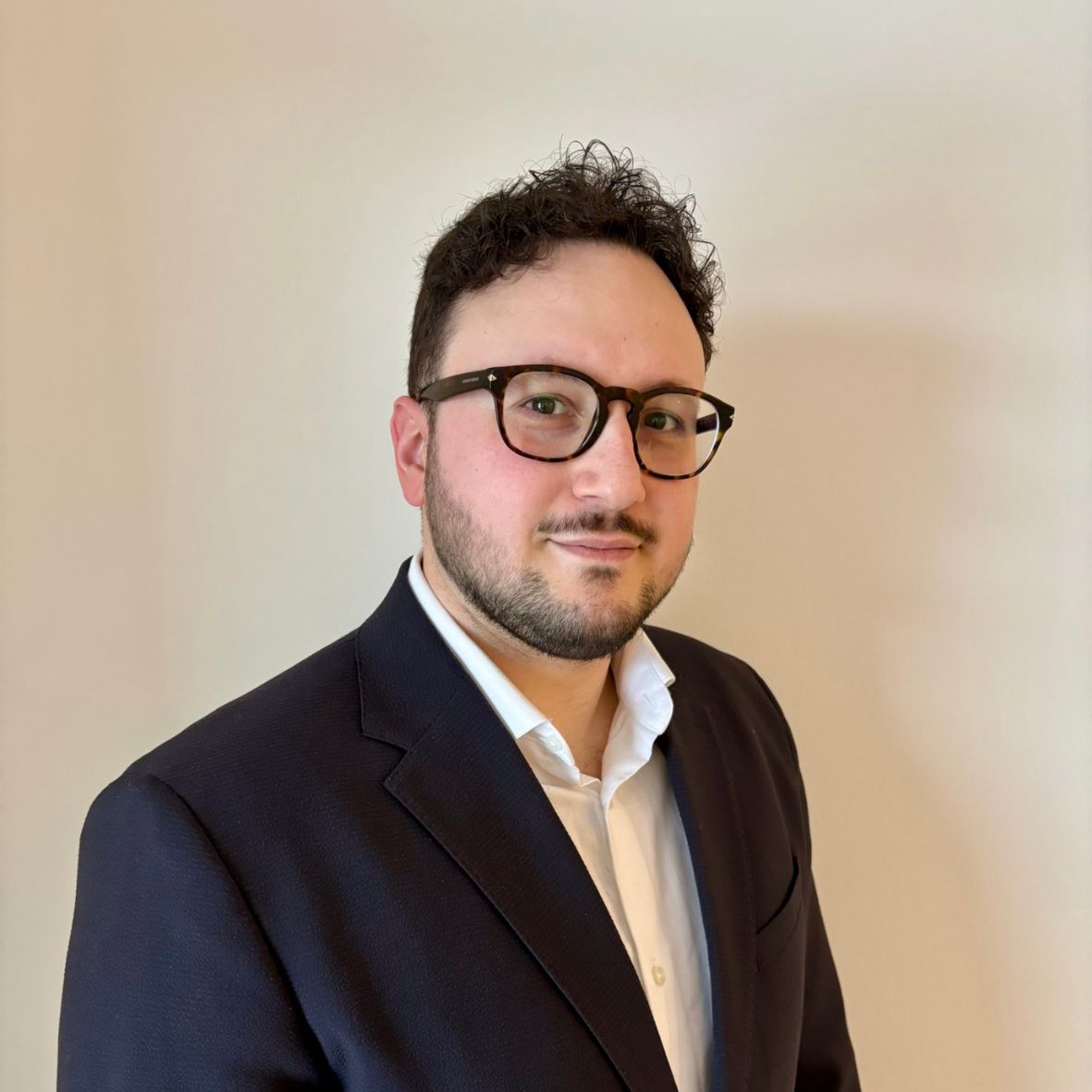
Tampereen yliopiston tutkijakollegium (Tampere Institute for Advanced Study, Tampere IAS) on vuodesta 2021 lähtien myöntänyt vuosittain määräaikaisia yliopistotutkijoiden tehtäviä. Hakijoita on vuosittain satoja, ja Marco D’Ignazio onkin rakennustekniikasta tähän mennessä vasta toinen, jolle on myönnetty tutkijakollegiumin tutkijarahoitus.
Rahoituksen saaneen kolmivuotisen Metawind– tutkimushankkeen tavoitteena on edistää merituulivoiman perustusten geoteknistä mallinnusta keskittyen maaperän sykliseen käyttäytymiseen, keskeisten haasteiden ratkaisemiseen, riskien vähentämiseen ja merituulivoiman kehittämisen tukemiseen Suomessa. Marcon apuna on väitöskirjatutkija Veera Isometsä.
Marco D’Ignazio nimitettiin keväällä 2025 myös Tampereen yliopiston kestävän geoteknisen suunnittelun dosentiksi (Sustainable Geotechnical Engineering) ja on jo pitkään opettanut sivutoimisesti suunnittelutyön ohessa. Nyt saadun rahoituksen turvin tutkimuksesta ja kehittämisestä tulee päätyö ja Tutkimuskeskus Terran geotekniikkaryhmä saa merkittävän vahvistuksen.
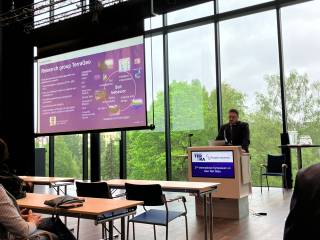
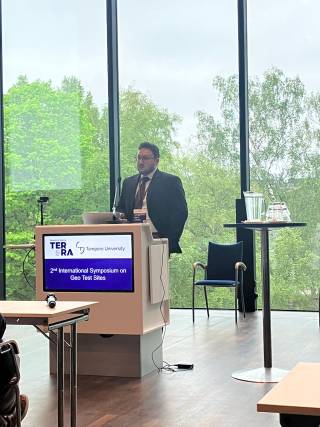
Tänä kesänä Marco D’Ignazio oli pääjärjestäjänä Tampereella pidetyssä toisessa kansainvälisessä Geo Test Sites symposiumissa (2nd International Symposium on Geo Test Sites). Geotekniseen tutkimukseen erityisesti kenttätestikohteissa keskittyvä symposium kokosi kesäkuussa Tampere-taloon yli 60 osallistujaa 18 maasta. Keynoteluennoitsijoina oli Dr. Jean-Sébastien L’Heureux Norjan geoteknisestä insituutista (NGI) ja Prof. Chong Tang
Kiinasta (Dalian University of Technology). Professori Tim Länsivaara piti erikoisluennon suomalaisista kokemuksista. Ohjelmassa oli viisi sessiota, joissa oli kaikkiaan 25 esitystä seä kaksi paneelikeskustelia. Kaikki symposiumin hyväksytyt artikkelit julkaistaan AIMS Geosciences journalin erityisnumerossa.
Marcon ajatuksia Symposiumin jälkeen:
”I can only say it exceeded all expectations. From an organiser’s point of view, everything went even better than I had hoped, and this is entirely thanks to participants: for their attitude, the friendly atmosphere, and the quality of thier papers and presentations.
I particularly appreciated that the programme left ample room for discussion which, in my view, is the heart of any scientific conference. It’s clear to me that we should move towards a more holistic approach to site characterisation: one that integrates geological insight, geotechnical expertise, both traditional and innovative testing methods, while always keeping in mind the practical outcomes of our work. This aligns perfectly with Jean-Sébastien l’Heureux’s message in his outstanding 1st Rolf Sandven Keynote Lecture.
There was also a clear mix of excitement and concern around the role of AI and how it will shape geo testing in the future. Will synthetic data eventually be so reliable that we need less field testing? One thing is certain: our community shares the responsibility of ensuring that future engineers understand what AI is and how to use it wisely. And as Prof. Chong Tang reminded us in his keynote, none of this works without good data. Whether we’re training AI, calibrating numerical models, or interpreting field results, the quality and context of our data will always be at the heart of what we do.
Personally, I enjoyed the collaborative and open spirit of the symposium, the relaxed atmosphere, and your curiosity about Finnish culture and the city of Tampere. At dinner – and especially at the sauna – I saw a group of old friends simply enjoying themselves and life. That, to me, is what the ISGTS family is all about. I truly hope we can maintain this spirit in future editions.”