
Thematic Priority Areas
Research themes covered at TAPRI are diverse and open to new interventions but five thematic priority areas can be recognized: Feminist Peace Research and Everyday Peace Approaches; Peace Architectures and Practices; Environment, Climate Change and Peace; Human Mobilities and Transnational Dimensions of Conflicts; and Imaginaries of Peace: Visual and Narrative Perspectives.
Feminist Peace Research and Everyday Peace Approaches
Feminist peace research challenges conventional ideas of peace and conflict and shows how intersecting inequalities and power relations destabilise societies and efforts to build fair and lasting peace. Everyday peace approaches centre mundane, relational and embodied practices contributing to peaceful societal change. At TAPRI, we conduct research using a variety of methodologies, including visual and sensory, narrative and art-based approaches as well as ethnography and archival research. Our current research interests include affect, emotions and embodiment; art as an everyday peace practice; care and social reproduction; disappearance studies; environmental crises; human and more-than-human relationalities; masculinities; memory politics; militarisation; and resistance.
Peace Architectures and Practices
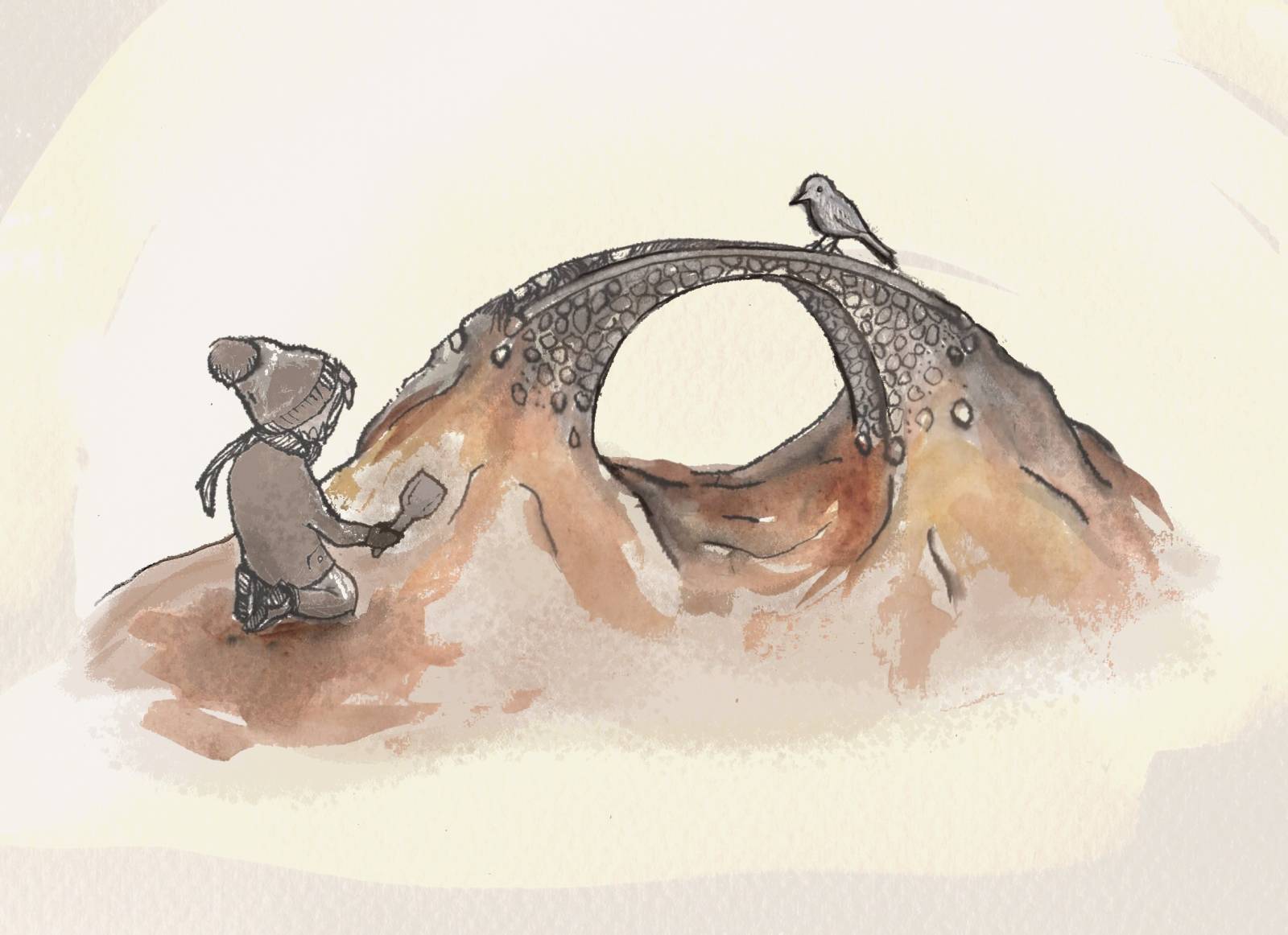
Peace architectures and practices examine the practices through which peace is implemented and operationalized as well as the various systems and communities of practices (or peace architectures), ranging from formal structures to informal networks, spanning global institutions to grassroots initiatives. At TAPRI, we advance practice-centred theoretical frameworks and interdisciplinary, relational, and embodied methodologies. Our current research interests include peacebuilding, mediation, and dialogue; peace education; conflict transformation; multilateralism and international organizations; agonistic peace; pluriversality; reconciling practices; and informal grassroots interactions and resistance.
Environment, Climate Change and Peace
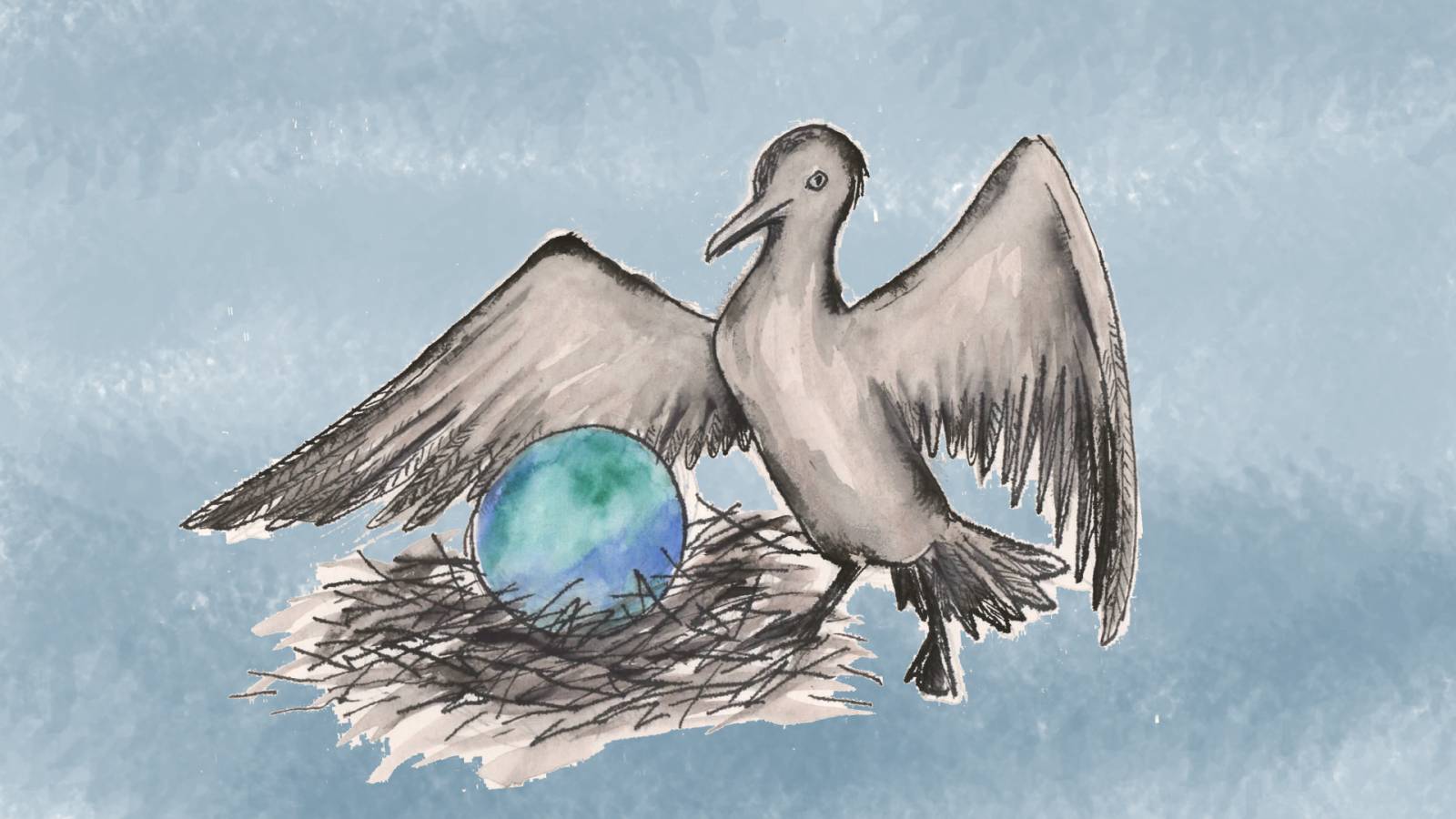
Society and environmental relations have been recently recognised as an important element of peace and conflict research. Environmental degradation, recognised as a form a violence, challenges our understanding of peace and decentring Western understandings of life and coexistence allows widening the field. At TAPRI, we explore socio-ecological justice and environmental peacebuilding frameworks, including food, climate and energy justice, green transitioning and green lifestyles, commodity frontiers & agrarian change, and forest conservation to open pathways that foster peaceful and sustainable relations. Methodologically we eat and cook with people, share cooking and food practices, cultivate with farmers, weave with natural fibres, observe caring practices with plants, animals, soil and water, and engage in multi-method and multi-sited ethnography crafting with written, oral and sensory knowledges.
Human Mobilities and Transnational Dimensions of Conflicts
Mobility is a fundamental feature of human life and is closely connected to questions of social justice. This thematic area brings together diverse methodological approaches to examine issues such as the governance of mobility at global, national, and local levels; intersectional perspectives that analyze how factors such as gender, race/ethnicity, and migration status shape global mobility; practices of solidarity and processes of community formation; the role of diasporas; and insights from critical border studies to address violence at borders.

Imaginaries of Peace: Visual and Narrative Perspectives
Visual and political imaginaries are central to how peace is understood, contested, enacted and to what forms of political possibilities become imaginable at all. Drawing on several visual, participatory and narrative approaches, and methodologies, at Tapri we explore how imageries and imaginaries produce and mediate experiences of injustice, violence, and war, as well as justice and peace. Besides representations and spectatorship, we also focus on interpretations, interactions, performances, power, and knowledge. Our current research interests include: alternative political imaginary; affects and emotions; community-generated visual artefacts; sensory forms of knowledge.