
All history is a story of human experiences and, according to a widely used phrase, “we should learn from the experiences of previous generations”. This is especially relevant considering that the past is the only evidence we have when planning for the future. But what can we know about the past experiences, and how do we transfer them into accurate knowledge and historically informed decisions?
HEX looks for answers to these fundamental questions by rethinking historical experiences, historical explanations and historical knowledge, and their place in the current world. The conceptual and methodological innovation of HEX is the renewal of how experience is defined and used as a key part of historical analysis. The approach may be called analytical history of experiences.
Empirically, the study focuses on three big social constructions: (lived) religion, (lived) nation, and (lived) welfare state. The selection is evident both when looking back to our past and when looking to the future: religion has organized societies since premodern times and is an important factor in mindsets in the “postmodern” world; the nation was the most important idea of political commitment in the reorganization of society towards modernization and it continues to be an important political force; and the welfare state was a central societal experience in the Nordic countries in the twentieth century and it is still seen as an appealing model for social development globally. The historical analysis of lived religion offers ways of understanding conflicting experiences of religious identity and social tensions; seeing nations as experienced communities helps us to understand the continuous appeal of nationalism; recognition of the experienced legitimacy of the welfare state provides valuable knowledge for assessing the future challenges of equality.
The Centre of Excellence in History of Experiences (HEX) is nominated and funded by theResearch Council of Finland 2018–2025. It is hosted by the Faculty of Social Sciences (SOC), Tampere University, Finland.
HEX Members
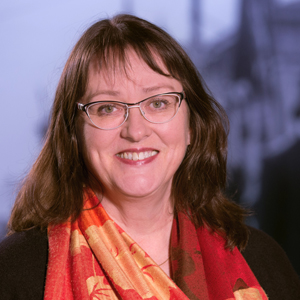
Pirjo Markkola
Director of HEX 2022-, Lived Welfare State Team Leader
Pirjo Markkola is professor of history specialized in gender history, history of children and childhood, and the history of Lutheranism and the welfare state in the Nordic countries. She is in charge of theme group Lived welfare state. Markkola’s own research focuses on the experiences of justice and injustice in child welfare. Another theme central to her research is lived religion and the Nordic welfare state.
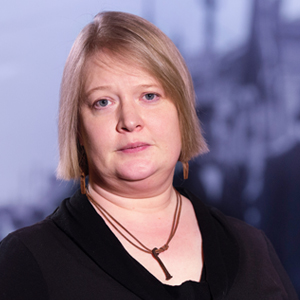
Raisa Maria Toivo
Vice Director of HEX 2022-, Lived Religion Team Leader
Raisa Maria Toivo works on the history of experience in the context of early modern religion, religious conflict, gender and family. She focuses on structural, social and shared experience. She heads the HEX group on ‘lived religion’, the Research Council of Finland funded project How did Finland Manage to Avoid Witch Hunts, and the Jalmari Finne Foundation funded project Biography as a Method for Early Modern History.
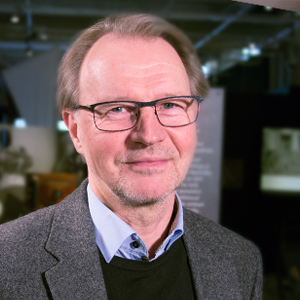
Pertti Haapala
Director of HEX 2018-2021
Pertti Haapala is professor (emeritus) of history and the first director of the CoE. His special areas of research are social history and methodology of history. In HEX (Lived Welfare State) his focus is in the study of social structures and life-chance, i.e. the “limits of experience”, and in the history of social sciences as national identity (Lived Nation).
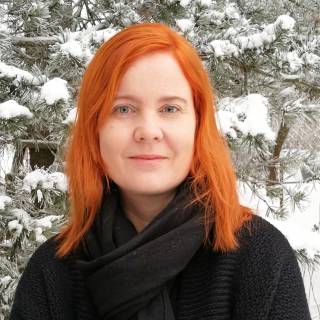 Tanja Vahtikari
Senior Research Fellow, Lived Nation Team Leader, Board Member
Tanja Vahtikari is a specialist in history of heritage and urban history. Her research interests also include history of emotions and experiences, everyday nationalism and history of children, on which she works at HEX. Tanja is a PI in a research project “Baby Box as an Emotional Object: The Socio-material Experiences of the Finnish Welfare State from the 1930s to the Present,” funded by the Kone Foundation (2020–2024).
She is the author of Valuing World Heritage Cities (Routledge, 2017), co-editor of Lived Nation as the History of Experiences and Emotions in Finland, 1800–2000 (Palgrave, 2021) and co-editor of Humanistinen kaupunkitutkimus (Gaudeamus, 2021). She has co-authored a European Commission Policy Review Innovation in Cultural Heritage Research. For an integrated European Research Policy (2018). Tanja is on leave from her position as senior lecturer in historical methodology at Tampere University.
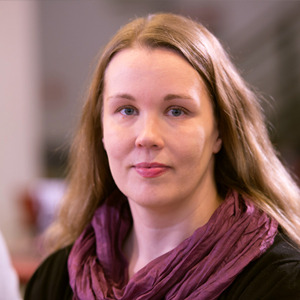
Johanna Annola
Academy research fellow, Lived Welfare state co-leader, Board Member
Academy research fellow Johanna Annola investigates three Finnish women’s prisons in the long nineteenth century. Her project concentrates on prison space, prison as a lived institution, the changing notions of discipline, and other gendered aspects of prison life. The aim of the project is to deliver new knowledge about the production of prison and also about underprivileged individuals’ experience of modernisation in northern Europe. Previously, Annola has been working on poorhouses, Magdalene asylums, and grassroots level experiences of social mobility.
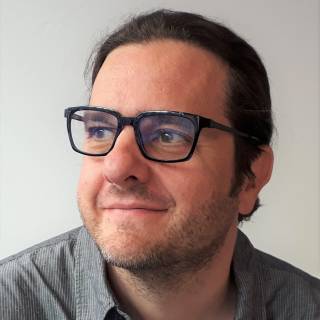
Daniel Blackie
Senior research fellow
Daniel Blackie specialises in the history of disability, c. 1700–1900. As a member of the ‘Lived Religion and the Changing Meaning(s) of Disability’ team working at HEX, his current research focuses on the significance of religious beliefs and practices to understandings and experiences of disability during the Industrial Revolution.
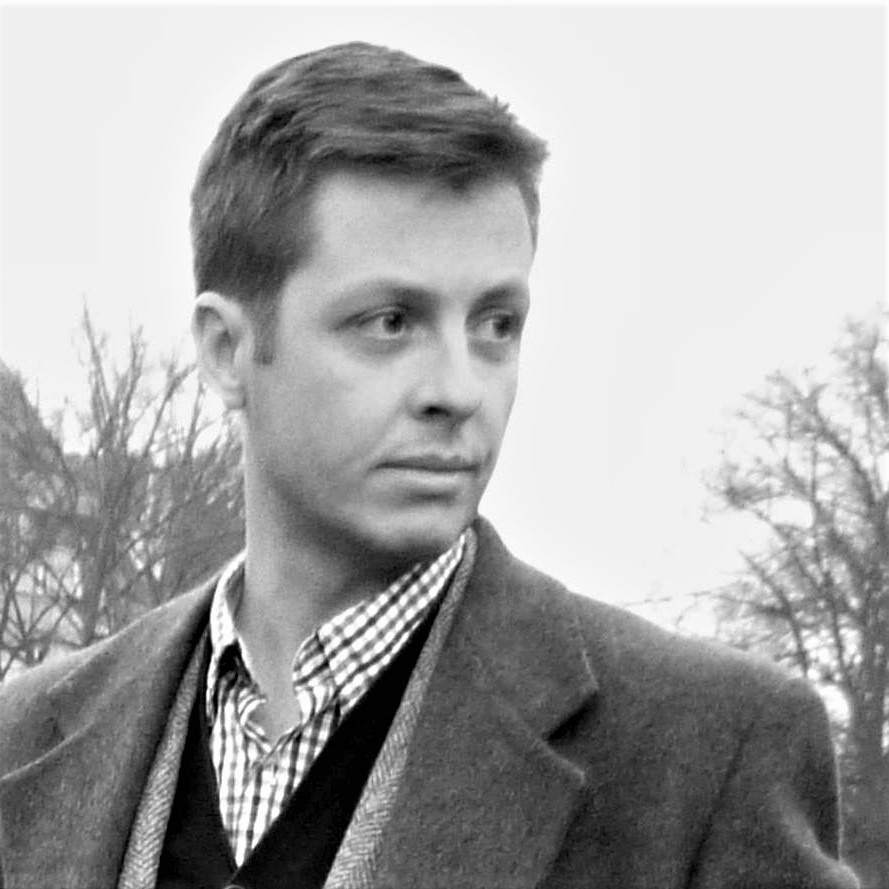
Rob Boddice
University Researcher
Rob Boddice (PhD, FRHistS) joined HEX in 2020. He has previously held positions at Harvard University, the Max Planck Institute for Human Development, and Freie Universität Berlin. He is Adjunct Professor at the Department of Social Studies of Medicine, McGill University. Boddice has published extensively in the history of medicine, the history of science and the history of emotions. His works have been translated into 12 languages. Recent titles include Emotion, Sense, Experience, with Mark Smith (Cambridge University Press, 2020), Humane Professions: The Defence of Experimental Medicine, 1876-1914 (Cambridge University Press, 2021), Feeling Dis-Ease in Modern History: Experiencing Medicine and Illness (Bloomsbury, 2022), edited with Bettina Hitzer, Knowing Pain: A History of Sensation, Emotion and Experience (Polity, 2023), and the second edition of The History of Emotions (Manchester University Press, 2024). He is currently working on The Power of Belief: Why the Science and History of Placebo Matter to Modern Medicine (Reaktion, 2026).
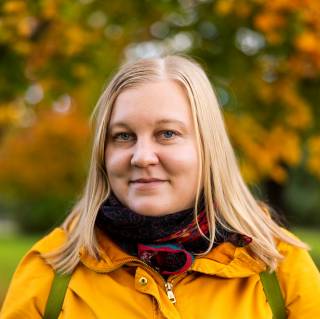
Reetta Eiranen
Postdoctoral Researcher
Reetta Eiranen is a Postdoctoral Research Fellow at the Tampere Institute for Advanced Study and the Research Council of Finland’s Centre of Excellence in the History of Experiences at Tampere University. She has worked as a Visiting Researcher at the Center for the History of Emotions at the Max Planck Institute for Human Development in Berlin. Her project ’Gender, Experience and Ambivalent Nationalism in Nineteenth-century Finland’ studies gendered experience of nationalism and its ambivalences. Theoretically and methodologically, she is interested in hermeneutics, narrative approaches, biographical research and letters. She is a member of the editorial staff in Historiallinen Aikakauskirja (Historical Journal).
Personal profile page | Twitter
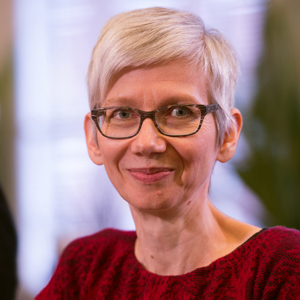
Minna Harjula
University Researcher
University researcher Minna Harjula has specialized in the history of welfare policies. She focuses on lived welfare state as experienced encounters between citizens and local social security institutions in Finland in the 1930s-1980s. By analyzing the divergent experiences of individual-society relationship in these encounters, her study opens a perspective to the lived construction and legitimation of Finnish welfare state. Previously she has focused on disability history, health policy, health citizenship and on the linkage between political and social citizenship in Finland in the late nineteenth and twentieth century.
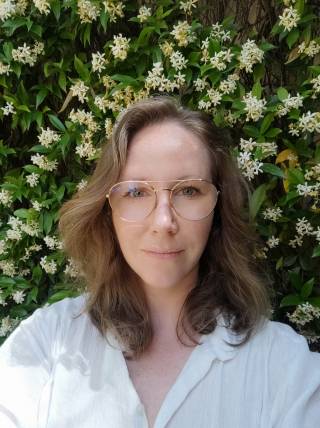 Anna-Stina Hägglund
Postdoctoral Researcher
Anna-Stina Hägglund is a postdoctoral researcher in the project Lived Religion in Medieval Finland. Her areas of expertise are the social and cultural history of pious donations, Birgittine monasteries, and the history of the Baltic Sea Region. Within the frames of the project Lived Religion in Medieval Finland she studies dating practices of medieval charters and references to feast days of saints in the diocese of Turku. She also studies the Birgittine monastery Nådendal and the lived religious practices of its benefactors.
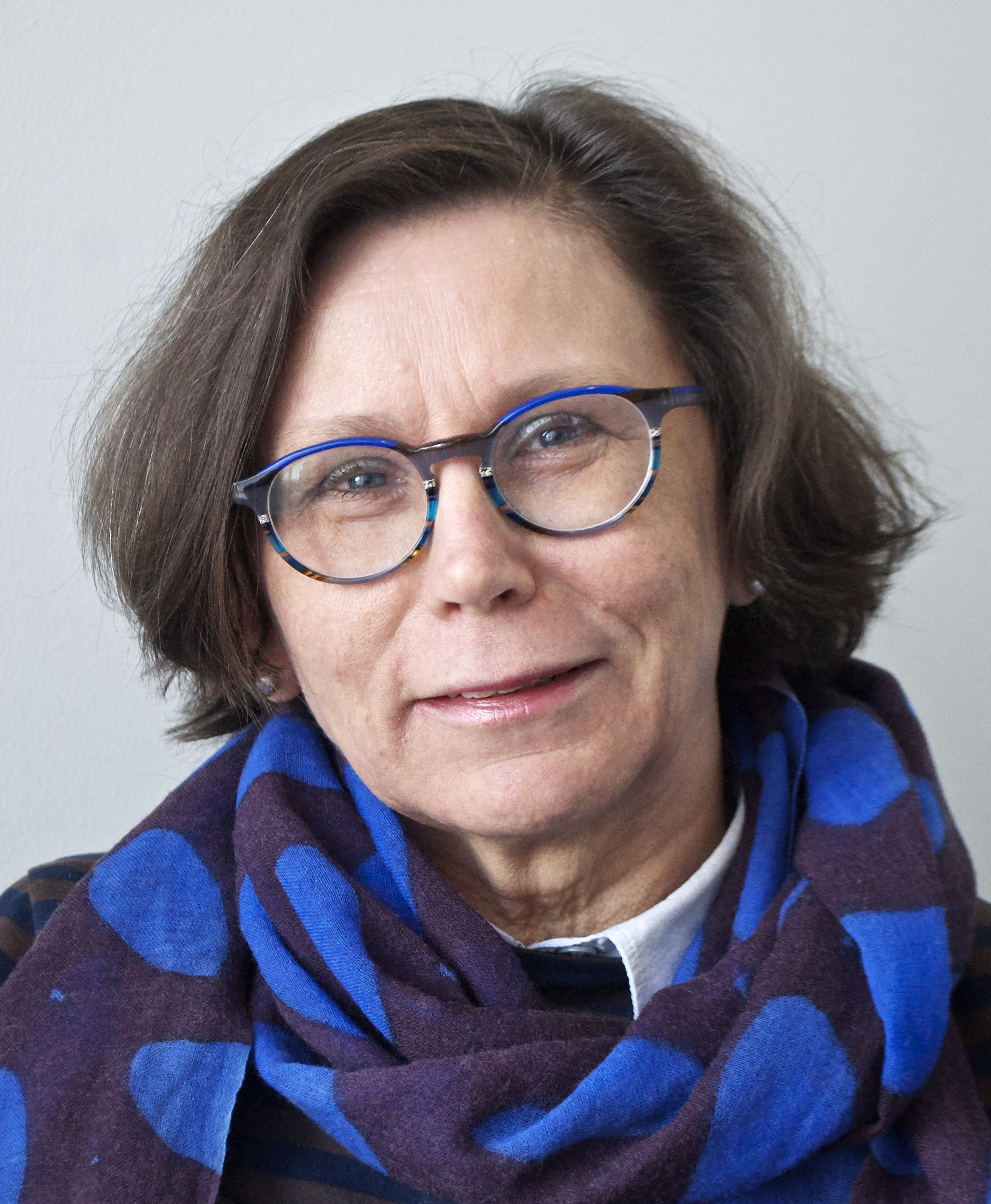
Mervi Kaarninen
Senior Lecturer
Mervi Kaarninen focuses on the living conditions of children and youth and relations between children and parents during the crises of the twentieth century. Mervi Kaarninen has published several books and articles on the Finnish childhood and youth, on gender history and on the social history of education.
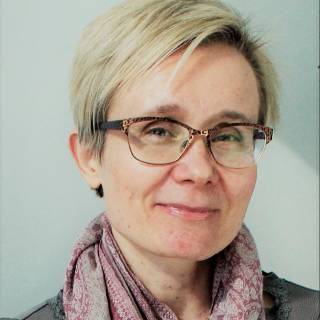
Sari Katajala-Peltomaa
Professor of Cultural history, University of Turku
Sari Katajala-Peltomaa studies late medieval lived religion by analysing rituals, sermons and miracle narrations. Her work concentrates on how religion-as-lived turned norms and values into social actions and performances – and how rituals and narrations in turn shaped values and institutions. Currently she analyses “imagined experiences” and sensory elements in creating the sacred in sermons of Vadstena Abbey from 15th century.
Lived Religion in Medieval Finland -Project Page
 Mikko Kemppainen
Postdoctoral Researcher/Coordinator, Board Secretary
In his studies, postdoctoral researcher Mikko Kemppainen focuses on the interaction between political ideas, religion and gender. In 2020, he defended his doctoral dissertation on Finnish female working class authors at the beginning of the 20th century. Kemppainen acts also as the HEX coordinator.
Ville Kivimäki
Research director, Finnish Literature Society
Ville Kivimäki has specialized in the social and cultural history of the Second World War and its aftermath and in the intertwined histories of trauma, gender, nationalism, experience and emotions. He has also studied war-related remembering, memory politics and the communities of experience. At HEX, Kivimäki led the Lived Nation research team in 2018–2023 and he continues to lead the Research Council of Finland’s research project “Unequal War: Vulnerability, Stress and Survival in the Finnish Army during World War II.
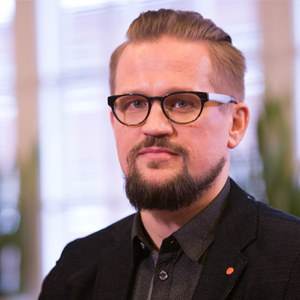
Heikki Kokko
University Researcher
Heikki Kokko has specialized in the history of modern society “from below”. In the research groups Lived welfare state and Lived nation Kokko studies the experience of the modern belonging to society in Finland in the mid-1800s. Especially, he focuses on the societal significance of the information technology in the construction of the Western modern individual-society relationship. His study opens a perspective to the modern notion of society as a new way of defining one’s belonging to a larger “translocal” entity, which is an extension of the local. Previously, he has focused on the emerging of the Western notion of the modern self in the thinking of ordinary people. His special areas of research are conceptual history and digital history.
Within HEX, Kokko coordinates the digital history project Translocalis Database, which builds a database of readers’ letters that were published in the name of local communities in the 19th century Finnish press.
Personal profile page | Translocalis Database| Twitter | Academia.edu
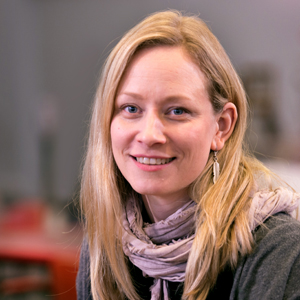
Jenni Kuuliala
Senior Lecturer, University of Turku
Jenni is a historian of late medieval and early modern sainthood, dis/ability, healing, and religious experience. In her current research project, she analyses the ways lived religion and the experience of infirmity intertwined, with a particular focus on early modern Italy. She is also leading the HEX research project ‘Lived Religion and the Changing Meaning(s) of Disability from the Late Middle Ages to the Industrial Revolution’ funded by the Research Council of Finland.
Twitter | Academia.edu profile | vammaisuudenhistoria.fi | Lived Religion and the Changing Meaning(s) of Disability | Personal profile page
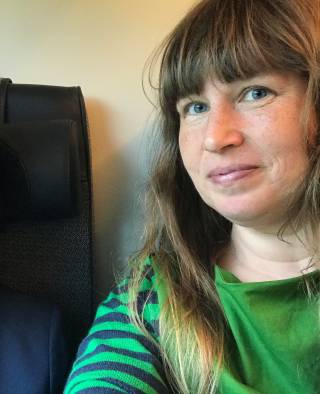 Sofia Lahti
Postdoctoral Researcher
Sofia Lahti is an art historian specialized in medieval reliquaries, religious images and artefacts in the Nordic countries. She works in the projects Lived Religion in Medieval Finland (Tampere University), Mapping Lived Religion: Medieval Cults of Saints in Sweden and Finland (Linnaeus University, Sweden) and Fragmentation and Iconoclash in Medieval and Early Modern Objects (Helsinki University). In these projects, she studies Nordic medieval artefacts as manifestations of lived religion and their varying processes of fragmentation, disappearance and survival since the Middle Ages.
Project websites:
https://projects.tuni.fi/elettyusko/
https://blogs.helsinki.fi/kuvakalske/
Academia profile: https://linnaeus.academia.edu/SofiaLahti
 Tuomas Laine-Frigren
Postdoctoral Researcher
Tuomas Laine-Frigren is a postdoctoral researcher specialized in the history of childhood, mental health and psychology. In HEX, Laine-Frigren studies the readjustment of child evacuees returning to Finland after WWII. The research focuses on encounters between child experts and ‘war children’ but also sets out to interpret children’s own coping strategies and what might be called their lived experience. In his previous research, Laine-Frigren has studied psychological expertise and social planning in Cold War Hungary, rehabilitation of disabled veterans in Post-WWII Finland, and political construction of collective victim identities.
 Virva Liski
Virva Liski has studied the aftermath of the Finnish civil war concentrating on the survival strategies of red side female prisoners of war, psychological reactions among white guard veterans and intergenerational trauma in family memory. Her research focuses on gendered histories of survival and trauma in the context of war experience. In HEX, Liski works in Research Council of Finland’s project “Unequal War: Vulnerability, Stress and Survival in the Finnish Army during World War II” studying the division of death, violence and war stress in the Finnish Army.
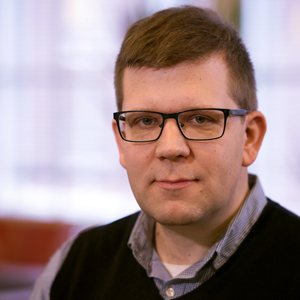
Antti Malinen
Postdoctoral Researcher
Antti Malinen is a postdoctoral researcher specialized in the history of childhood and family life. His main research focus is on how societies, institutions and especially families and children are coping and how they are influenced by political and social crises, including military conflicts. In HEX Malinen will investigate how children have experienced and articulated their feelings of distress in 20th century Finland, both in writing and through drawings, and also in their behaviour and bodily expressions.
Malinen has written extensively on the social history of post-WWI and WWII Finland, especially from the perspectives of experiences, emotions and gender. In his recent non-fiction book (2017, Gaudeamus) Malinen studied the experience of post-war Finnish childhood. Currently he is writing a book on the role of friendships in children’s lives and welfare.
Malinen also manages a webpage www.lapsuudenhistoriaa.fi (in Finnish) specialized on the history of childhood.
Lapsuuden historiaa (@antti__malinen) / Twitter
https://www.instagram.com/lapsuudenhistoriaa.fi/
Academia.edu profile | ResearchGate profile

Riikka Miettinen
Senior Research Fellow, Lived Religion Team co-leader, Board Member
Riikka Miettinen is a historian specialized in early modern Sweden and Finland and the history of disability, madness and poor relief. She studies the interconnections between lived religion, welfare and the experiences of people whose minds or bodies were considered deviant. In particular, she is interested in the early modern welfare and care systems and religion influencing the everyday lives and treatment of disabled and ‘mad’ persons. She is also a member of the Research Council of Finland project ‘Lived Religion and the Changing Meaning(s) of Disability from the Late Middle Ages to the Industrial Revolution’. She has previously worked on the history of suicides and death, the rural landless and disability history. Her publications include a monograph based on her PhD thesis, Suicide, Law, and Community in Early Modern Sweden (Palgrave Macmillan, 2019).
Lived Religion and the Changing Meaning(s) of Disability
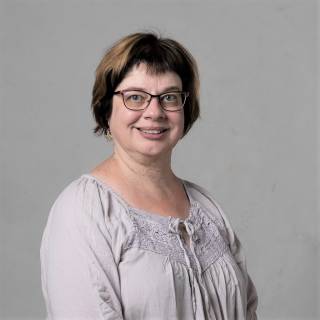 Tiina Miettinen
University Research Fellow
Tiina Miettinen has studied early modern family history in Finland from the perspective of single women. She has also specialized pre-modern European genealogy, and how changing knowledge of roots and ancestry during the centuries has affected to the understanding what family is and what ‘family’ means or should mean. As a researcher in the project “How did Finland manage to avoid witch hunts? Action and experience in de-escalating persecution” Miettinen focuses on the ways people sought to de-escalate witchcraft rumours and control trials in the Häme region in 16th and 17th century Finland. Likewise, she works on historiography of the The Helkajuhla tradition (Whitsun festivals) in pre-modern Finland.
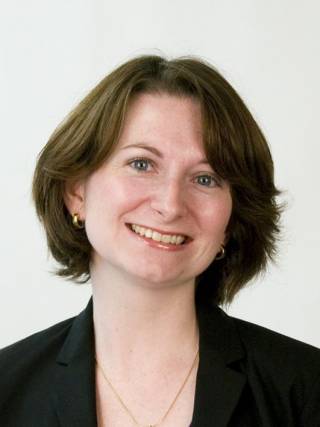
Stephanie Olsen
University Researcher
Stephanie Olsen (Ph.D, FRHistS) is an historian of childhood, youth, education, experiences and the emotions, with a particular focus on the British world in the nineteenth and twentieth centuries. She is the author of Juvenile Nation: Youth, Emotions and the Making of the Modern British Citizen (Bloomsbury, 2014), co-author of Learning How to Feel: Children’s Literature and the History of Emotional Socialization, c. 1870-1970 (Oxford University Press, 2014), and editor of Childhood, Youth and Emotions in Modern History: National, Colonial and Global Perspectives (Palgrave, 2015). Her research focuses on the ‘Lived Nation’ in the context of the British Empire, specifically children’s education and the cultivation of hope in the First World War. She is the co-editor of The Cultural History of Youth (6 volumes, Bloomsbury, 2023) and Children, Childhood and Youth in the Long Nineteenth Century (4 volumes, Routledge, 2023), and edits the journal History of Education.
Curriculum Vitae | Twitter | Academia.edu profile | Website
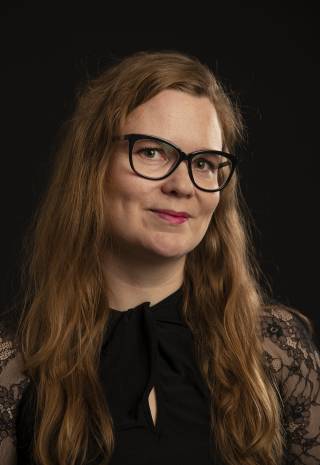
Katariina Parhi
Postdoctoral researcher
Katariina Parhi is a historian of science and ideas who works on Finnish correctional labor facilities from the 1920s until the 1980s (funded by the Research Council of Finland, 2021-2024). Her dissertation (2018) deals with the history of the diagnosis of psychopathy in Finland. She has also written a book on the topic titled Sopeutumattomat: Psykopatian historia Suomessa (Siltala, 2019). Since then, Parhi has worked on the history of epidemiology and is one of the editors of Historical Explorations of Modern Epidemiology: Patterns, Populations and Pathologies (Palgrave Macmillan, forthcoming in 2022). She is also working on a monograph about drug-using young people and their treatment in the 1960s and 1970s.
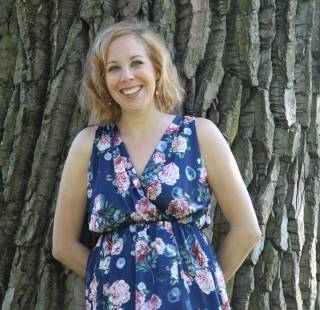
Rose-Marie Peake
Postdoctoral Reseacher
Rose-Marie Peake (pronouns she/her/hers) specializes in early modern history, especially gender, body, and sexuality. She is currently working on an Academy of Finland funded project on queer lived religion in seventeenth-century France.
She earned her PhD in History at the University of Helsinki in 2016. Her monograph The Power of Religious Societies in Shaping Early Modern Society and Identities (Amsterdam University Press, 2020) is based on her PhD dissertation. Her other contributions include the volume Lived Religion and Everyday Life in Early Modern Hagiographic Material (Palgrave MacMillan, 2019) edited together with Jenni Kuuliala and Päivi Räisänen-Schröder, and Korsetti ja krusifiksi – vaikutusvaltaisia barokin ajan pariisittaria (“Corset and crucifix – influential Parisian women in the age of the Baroque“, Gaudeamus, 2019) together with Riikka-Maria Rosenberg.
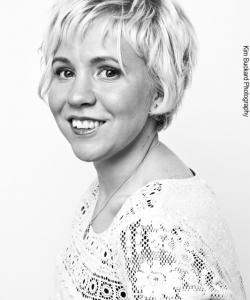
Godelinde Perk
Postdoctoral Researcher
Godelinde Gertrude Perk is a literary scholar whose research focuses on medieval women’s writings in north-western European vernaculars and on medieval spiritual and literary culture, with a particular interest in encounters between modern theory and medieval religious literature. As part of the ‘Lived Religion and the Changing Meaning(s) of Disability’ team, her current project (‘Cripping Sisterhood’) examines the interplay between community and disability in collections’ of nuns’ lives (sister-books) from the Low Countries and nuns’ letters from northern Germany, approaching medieval disability through the precepts of modern disability studies. Before moving to Tampere, she was a Marie Skłodowska-Curie Fellow at the University of Oxford with an EC-funded MSCA-IF project, ‘Women Making Memories: Liturgy and the Remembering Female Body in Medieval Holy Women’s Texts’. She has published extensively on Julian of Norwich (c. 1343–c. 1416), Margery Kempe (1373–after 1439), sister-books, memory, and the body.
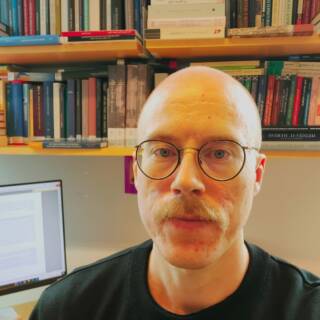 Saku Pihko
Postdoctoral Researcher
Saku Pihko is a postdoctoral researcher in the Lived Religion team at HEX. A specialist in medieval inquisition records and heretical religiosity, he is currently pursuing research on religious belief as a dimension of experience and the process of believing as an element of lived religion. In his doctoral dissertation (2023), he studied information behaviour and dissident lived religion in inquisition records from 13th- and early-14th-century Languedoc. He is also an expert in the source critical methodology of medieval legal records.
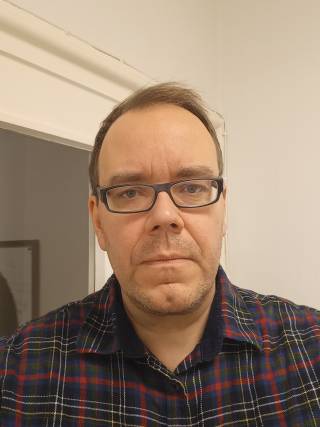
Aapo Roselius
Aapo Roselius has specialized in the history of the 1918 Civil War in Finland and the remembrance of the war. He has also published on rightwing mobilization during the 1930s and on the resettlement of Karelian refugees during and after the second world war. At HEX he works as researcher in the Academy of Finland research project “A Dim Light of Dawn: Finnish Post-Cold War Experiences Between East and West, 1989–1995”.
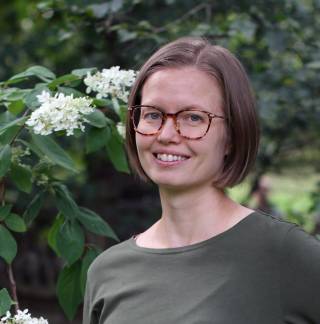
Sinikka Selin
Postdoctoral Researcher
Sinikka Selin is a historian with a keen interest in the history of youth, education, and possible futures. After defending her doctoral dissertation, she has researched the identification of young Karelians in modern Finland and the Finnicization of Border Karelia during the 1920s and 1930s. At HEX Selin serves as a postdoctoral researcher on the project “A Dim Light of Dawn: Finnish Post-Cold War Experiences Between East and West, 1989–1995”, which is funded by Research Council of Finland. Her research primarily focuses on the perspectives and experiences of young people concerning Finnishness and Europeanness in the time of heated discussion on whether Finland should join the European integration.
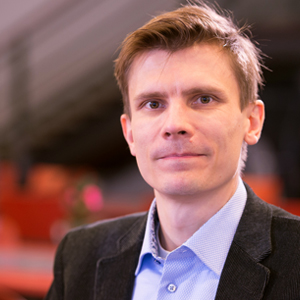
Sami Suodenjoki
University Researcher
Sami Suodenjoki is specialized in labour history, popular politics and rural modernization. His HEX project deals with the experiential bases of political mobilisations in Finland and the Russian empire in the late nineteenth and early twentieth centuries. Suodenjoki focuses on how ordinary people’s encounters with the imperial authority shaped popular experiences of the empire and how these lived experiences linked with class and national identities. He also studies the experiences of inclusion in and exclusion from local government by charting the establishment of municipal councils in the Finnish countryside.
Twitter | Personal profile page
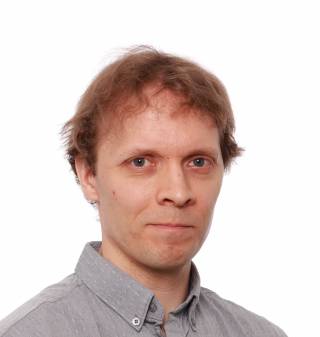
Ilari Taskinen
Postdoctoral Researcher
Ilari Taskinen is social and cultural historian specialized in the experiences of war. He has studied topics such as wartime letter writing, intimate relationships, and gendered emotions, with focus on their analysis with large digital data. Currently he studies the socially uneven burden of war experiences in World War II Finland in the Research Council of Finland funded project “Unequal War: Vulnerability, Stress and Survival in the Finnish Army during World War II” and the historical analysis of digitized private letters in project “DIGIKÄKI – Digital History and Handwritten Sources”.
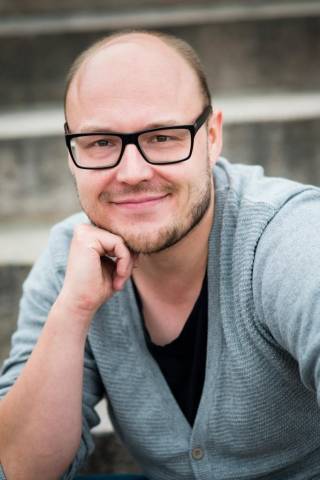
Tuomas Tepora
University Researcher
Tuomas Tepora joined HEX in September 2021. He has previously held positions and fellowships at the University of Helsinki, Helsinki Collegium for Advanced Studies, at Queen Mary College, University of London and at Max Planck Institute for Human Development in Berlin. He has and published on the history of emotions, commemoration, and the cultural history of war in connection with 20th-century conflicts. At HEX, he works as a PI of the Research Council of Finland project “A Dim Light of Dawn? Finnish Post-Cold War Experiences Between East and West, 1989–1995”. In the project, he is particularly interested in post-Cold War communities as liminal experiences during the early 1990s interregnum.
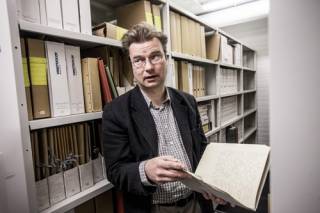 Marko Tikka
University Researcher
PhD, (Title of Docent) Marko Tikka is university researcher in History in Tampere University. His research interests are in twentieth-century history, especially the history of the 1918 Civil War in Finland, transition-from-war-to-peace processes and the history of the Finnish popular music. In the Lived Nation Team he will focuse on ideas of the nation in early Finnish popular music and on the processes in restitution of the historical injustices in Finland.
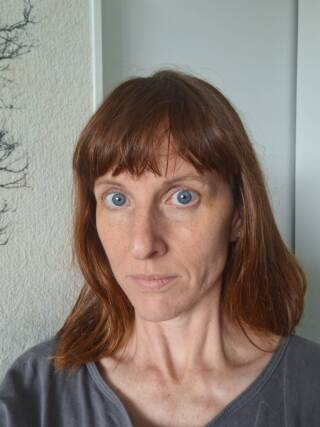 Tessa Whitehouse
Senior Research Fellow
Tessa Whitehouse researches religious minorities in period 1660-1830. She has published on dissenting education, women’s epistolary networks, spiritual autobiography and the material culture of life cycle events. At HEX, she is part of the Lived Religion team and is working on ‘Mapping Multifaith London’, an interdisciplinary project that seeks to chart the sites of religious minority practice in eighteenth century London. The project hosts a blog here: mml.hypotheses.org and is developing an interactive map. Tessa’s book on Huguenots, Jews and Catholics in London has been commissioned by Cambridge University Press.
Affiliated members
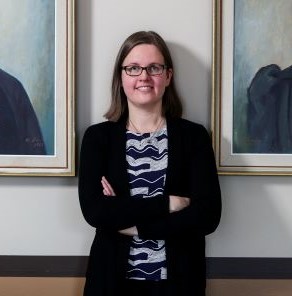 Miia Kuha
Postdoctoral Researcher
Postdoctoral researcher Miia Kuha studies the roles, agency, and position of clergymen’s wives and widows in Lutheran parish communities in the eastern parts of the Swedish kingdom (1650–1710). She analyses how the lived experience of a clergyman’s wife – an exemplary female Christian, but also the mistress of the parsonage – was formed and constructed in the cultural and social exchange in rural parish communities. Kuha has previously published articles on lived religion among the peasantry as well as the development of modern cultural history in Finland and Sweden.
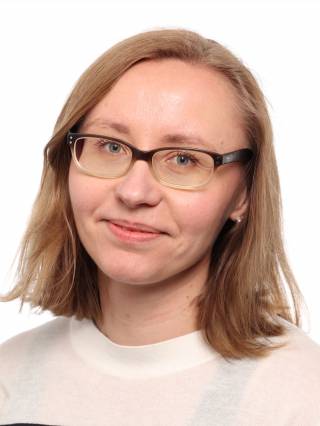 Hanna Lindberg
Senior Research Fellow
Dr Hanna Lindberg is Senior Research Fellow at the Department of Culture, History and Philosophy at Åbo Akademi University, Finland, and an associate member of HEX. She is specialized in minority, disability, and gender history as well as in the history of the Nordic welfare state. Her current research focuses on Finland-Swedish minority welfare and disability policies during the second half of the twentieth century. She is the co-editor of the volume Lived Institutions as History of Experience (Palgrave Macmillan, forthcoming 2023).
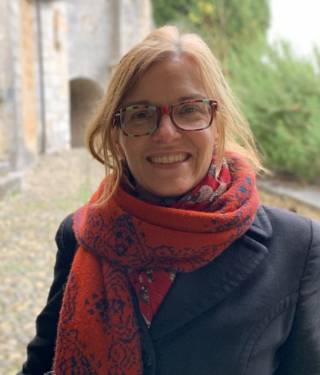
Karen McCluskey
Associate Professor
Karen is an art historian with a particular research focus on art and lived religious experience in the later Middle Ages. She is currently interrogating the possibilities inherent in the intersection of art history and the history of experience. In her current HEX projects, she is exploring how the artistic record can illuminate the experience of the cult of St Christopher in Renaissance Venice and interrogating what an overpainting by a group of nuns on Paolo Veneziano’s Vita panel of Leone Bembo (c.1350) can reveal about the broader lived experience of the women who inhabited the convent of San Lorenzo in Venice.
Karen is the author of ‘New saints in Late-Mediaeval Venice, 1200-1500: a typological study’ (Routledge, 2020). Two recent chapters with a HEX focus include: ‘When the Fury of the Proud Sea Re-awoke’: Water, Devotion, and Lived Experience in Renaissance Venice’ in Lived Religion and Everyday Life in Palgrave’s Studies in the History of Experience (2019) and ‘Ability and Disability in the Pictorial Vitae of beata Fina in Fifteenth Century San Gimignano’, Routledge Companion to Art and Disability (forthcoming late 2021).
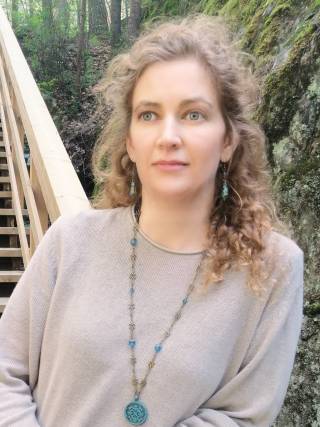 Heidi Morrison
Senior Research Fellow
Heidi Morrison is a specialist in modern Middle East history, the history of childhood, and oral history. She seeks to better understand the lived experience of children and youth in modern and contemporary global history, particularly as it relates to the nation. Her work on the history of experience employs the technique of portraiture, which blends artistic expression with systematic empirical research to capture the complex and subtle dynamics of human experience (Lawrence-Lightfoot and Davies, 1994). Heidi is on leave from her position as associate professor of history at the University of Wisconsin, La Crosse in the USA.
She is co-general editor of the forthcoming 6-volume Bloomsbury Cultural History of Youth and 4-volume Routledge History of Children and Childhood. She is currently working on an edited volume about lived resistance among Palestinian children and a monograph on narration, memory, and children’s trauma in Palestine. While at HEX, Heidi will begin a new joint project with the Tampere University medical school on the history of children’s global health. Heidi is the author of Childhood and Colonial Modernity in Egypt (Palgrave 2015) and the editor of The Global History of Childhood Reader (Routledge 2012).
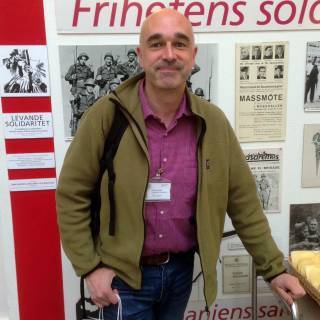 Andrew G. Newby
Kone Foundation Senior Research Fellow
Andrew Newby is a specialist in international history (particularly of the “Long Nineteenth Century”) and Docent in European Area and Cultural Studies. His particular focus in HEX is on the Great Finnish Famine of the 1860s, particularly in comparative perspective (in terms of local and national governance, and commemoration / memorialisation). His current project at Tampere Institute for Advanced Social Research examines the international aid which was sent to Finland in the 1850s and 60s, the reasons for that aid, and how it was distributed.

Louise Settle
Postdoctoral Researcher
Louise Settle is postdoctoral researcher who specialises in the history of crime, gender and social work in Britain during the twentieth century. In HEX she is completing a book project on the history of probation in Britain (1907-1960) which explores the role of the British state in policing interpersonal relationships and emotions. The project focuses on how the everyday practices of probation policies influenced the experiences of probationers convicted for offences such as domestic violence, attempted suicide, prostitution, gross indecency and indecent assault.
Louise has previously published on the history of prostitution, the geography of crime, and child sexual abuse. A monograph based on her PhD thesis, Sex for Sale in Scotland: Prostitution in Edinburgh and Glasgow, 1900-1939, was published by Edinburgh University Press in 2016.
Visiting Scholars
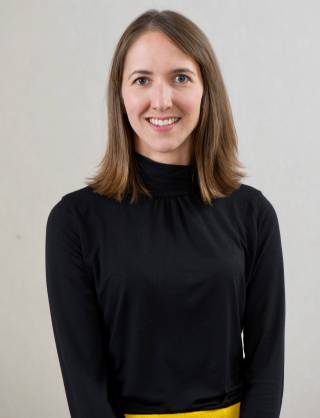
Victoria Bates
Victoria Bates is Associate Professor in Modern Medical History at the University of Bristol. Her research expertise ranges from nineteenth-century forensic medicine to current-day sensory studies. Victoria’s Future Leaders Fellowship, ‘Sensing Spaces of Healthcare’ (UKRI, 2020-24/27), brings together history, medical humanities, spatial/sensory studies and design for the first time. Her most recent book is in the Cambridge University Press ‘Elements in Histories of Emotions and the Senses’ series: Making Noise in the Modern Hospital (2021).
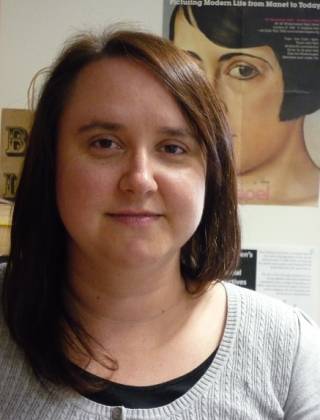
Kate Bradley
Kate Bradley is a Reader in Social History and Social Policy at the University of Kent. Kate’s research focusses on the relationships between charities, activist groups and the welfare state in Britain in the twentieth century. Her first book, Poverty, Philanthropy and the State: Charities and the Working Classes in London 1918-1979 (Manchester UP, 2009) looked at the settlement house movement in London, and her second, Lawyers for the Poor: Citizenship, Voluntary Action and Legal Advice in England 1890-1990 (Manchester UP, 2019) explored the provision of legal aid before and after the introduction of a state-funded scheme in 1949. At HEX in April 2022, Kate is working on a new project on the ways in which telephone technology was used to make both voluntary and state welfare services more accessible.
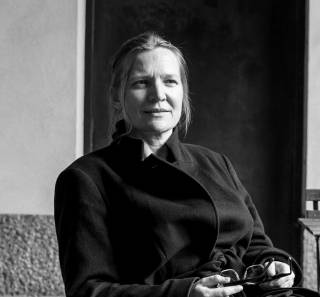
Mette Buchardt
Professor and Director of Centre for Education Policy Research, Aalborg University, Aalborg and Copenhagen, Denmark
Buchardt’s research comprises the interdisciplinary field of welfare- and social-state history, church history and the history of education with an emphasis on 18th to 20th century. She specializes in the relation between education- and social reform in the European states in a global perspective, e.g. the political project of modernization and secularization, and the influence of migration on the development of welfare state policy and politics.
She has been holding visiting professorships and scholarships at e.g. the history departments at University of Jyväskylä, Stockholm University and Umeå University, and at Nordeuropa-Institut, Humboldt University, Dept. of Curriculum & Instruction, University of Wisconsin-Madison, and Section for Church History, University of Oslo.
Buchardt has published extensively on the Nordic welfare states, including in a history of emotion perspective, e.g. Buchardt, M., Kärnebro, K., & Osbeck, C. (2022). “Outer space” as Cold War spirituality: Students’ drawings and texts on “life questions” in 1980s welfare-state Sweden . IJHE. Bildungsgeschichte. International Journal for the Historiography of Education. Also she has recently published e.g. “The Nordic Model and the Educational Welfare State in a European Light: Social Problem Solving and Secular-Religious Ambitions when Modernizing Sweden and France”, Tröhler et al (eds.) The Nordic Education Model in Context: Historical Developments and Current Renegotiations, Routledge 2023.
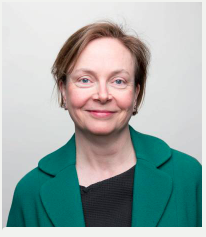
Caitríona Beaumont
Professor
Caitríona Beaumont is Professor of Social History at London South Bank University (LSBU), UK. She is an expert on the history of female activism, female networks and women’s social movements in Ireland and Britain in the nineteenth and twentieth century. Her first book, Housewives and Citizens: Domesticity and the Women’s Movement in England 1928-1964 was published by Manchester University Press in 2013. She has published numerous articles and chapters, and contributed to websites and other public forums, for example the British Library, and you can view her recent publications here: https://peoplefinder.lsbu.ac.uk/researcher/80226/professor-caitriona-beaumont
Caitríona is currently working on four research projects. With Dr Eve Colpus and Dr Ruth Davidson she is co-editor of the forthcoming book Histories of Welfare in Modern Britain: experiential expertise, activism and action (Palgrave Series in the History of Experience) and it is this project that brings her to HEX as a visiting fellow, March-April 2023. This collection offers a new approach to the history of welfare in Britain through its examination of how individuals themselves used ‘experiential expertise’ to support their own welfare.
She is Principal Investigator (PI) on the UK Research Innovation (UKRI) and LSBU funded collaborative network ‘Afterlives: tracing the life stories of activist women after revolution and civil war in Ireland, Germany and Finland, 1918 to 1980s’ (2023) and on the UK Arts and Humanities Research Council (AHRC) funded international research network ‘Agency and Advocacy: Locating Women’s Grassroots Activism in England and Ireland, 1918 to the present’ (2023/2025). She is also working on a new research project uncovering lessor known and intergenerational female activism in Britain during the period 1960s to 1980s.
Caitríona is an elected trustee and council member of the Royal Historical Society and sits on the editorial boards of a number of international journals. You can follow Caitríona on twitter at @caitbeaumont.
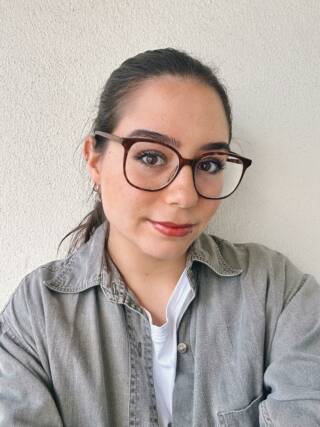
Carmen Chamarro
PhD Student
Carmen Chamarro is a Predoctoral Fellow and Research Assistant at the Complutense University of Madrid. Her research interests address gender history and the history of masculinities in relation with the bourgeois discourse of respectability in 19th century Spain. Currently immersed in the research for her doctoral thesis project, titled The bourgeois ideal of fatherhood: attitudes, discourses, and practices in 19th-century Spain (1830-1890), she is part of the research project “La respetabilidad burguesa y sus dinámicas culturales, 1830-1890” [REF. PID2022-136358NB-I00] and a member of the research group “La España liberal, 1833-1890” [https://www.ucm.es/laespanaliberal-1833-1890/]. As a doctoral candidate she has participated in various conferences with papers related to her research in the history of masculinities and femininities in 19th-century Spain. As a Visiting Fellow at HEX (autumn 2024), Carmen is focusing her study on how emotions and affections could have shaped male identities represented through different fatherhood experiences.
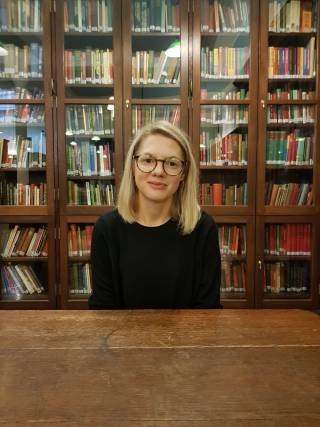
Eve Colpus
Associate Professor
Eve is a cultural historian of modern Britain, based at the University of Southampton, UK. Her particular research interests are in histories of childhood and youth, histories of technology use, gender history, and histories of voluntary action. During her time as a Visiting Fellow at HEX she has been working on the collection, Histories of Welfare in Modern Britain: Experiential Expertise, Action and Activism, co-edited with Caitríona Beaumont and Ruth Davidson and forthcoming with Palgrave Macmillan, 2024. This collection offers a new approach to the history of welfare in Britain through its examination of how individuals themselves used ‘experiential expertise’ to support their own welfare. Eve is Principal Investigator on the project, ‘Children and young people’s telephone use and telephone cultures in Britain, c. 1984-1999’, funded by the Arts and Humanities Research Council (2021-2024). She is currently writing an article on this project exploring the experience of children’s encounter with the telephone kiosk (public telephone) in 1980s and 1990s Britain. Linked to this project, Eve has co-organised the workshop, ‘Children, media and communication: new histories of experience’, with Heidi Kurvinen and Antti Malinen, sponsored by HEX and the Society for the History of Children and Youth (SHCY).
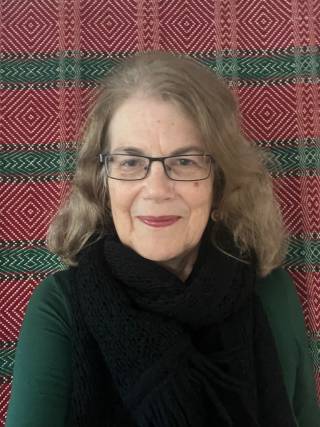 Heather Dalton
Honorary Research Fellow
Heather Dalton (Ph.D, FRHistS) is a Honorary Research Fellow in the School of Historical and Philosophical Studies at the University of Melbourne, and also a member of The Cabot Project at the University of Bristol (http://www.bristol.ac.uk/history/research/cabot.html). Her research focuses on relationships in maritime trading networks in the Atlantic c. 1450-1650, as well as early contacts between the Indo-Australian Archipelago and Europe. Her recent work on Australasian cockatoos in Medieval and Renaissance European artworks has aroused much scholarly and public interest. As a Visiting Fellow at HEX, Heather is focusing on the lived religious experiences of merchants from the British Isles in the Mediterranean and Atlantic post 1530.
Article: How Did the Cockatoo Reach 13th Century Sicily?
 Ruth Davidson
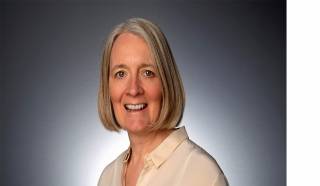
Ruth Davidson is a historian of social policy, gender and activism. She is currently completing a book which draws together her long-standing research and published work into women’s politics, activism and experiences of welfare. Challenging women’s poverty and dependence: The expertise of experience in Britain, 1900s-2000s, will make for a productive point of departure from traditional chronologies and narratives of British welfare policy. This draws on her PhD, which explored women’s grassroots welfare campaigns, and more recent work on women’s social research and pressure group activism within the welfare state.
As a core member of the Project Steering Committee, she has worked on the development of a successful AHRC funding application with Caitríona Beaumont (PI), Anne Logan (CI) and Anna Muggeridge for a new international research network entitled ‘Agency and Advocacy: Locating women’s grassroots activism in England and Ireland, 1918 to the present’. During her time as a Visiting Fellow at HEX she has been working on the collection, Histories of Welfare in Modern Britain: Experiential Expertise, Action and Activism, co-edited with Caitríona Beaumont and Eve Colpus (forthcoming with Palgrave Macmillan, 2024). This collection offers a new approach to the history of welfare in Britain through its examination of how individuals and groups use ‘experiential expertise’ to support their own welfare. She is also currently working with colleagues from the Mile End Institute, Lyndsey Jenkins, Anna Muggeridge and Farah Hussain, on a new edited collection Women in British Politics since 1945 and a special issue of Women’s History Review ‘Women’s Grassroots Activism in Britain since 1945’ (forthcoming, 2024).
Pierre-Marie Delpu
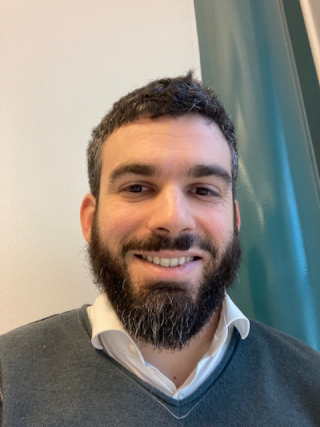
Pierre-Marie Delpu is a FRS-FNRS researcher at the Université Libre de Bruxelles and a visiting fellow at HEX in February 2023. His work focuses on political martyrdom in the 19th century, particularly in southern Europe (Italy and Spain). On that topic, he has already published L’affaire Poerio. La fabrique d’un martyr révolutionnaire européen 1850-1860 (Paris: CNRS Éditions, 2021) and is about to publish Les nouveaux martyrs XVIIIe-XXe siècle (Paris: Passés Composés, upcoming in Fall 2023) and editing Mutations et usages du martyre politique. Europe méridionale XIXe-XXIe siècle (Madrid: Casa de Velázquez, upcoming in 2024). Since January 2023, he coordinates with Silvia Cavicchioli, Pierre Géal and Raquel Sánchez the research program AMAPOL (Questions on Political Martyrdom, Southern Europe 1800-1939: Constructions, Uses, Representations). At HEX, he is interested in the experiences of public death through the last words of political martyrs in the mid-19th century.
Thomas Devaney
Associate Professor
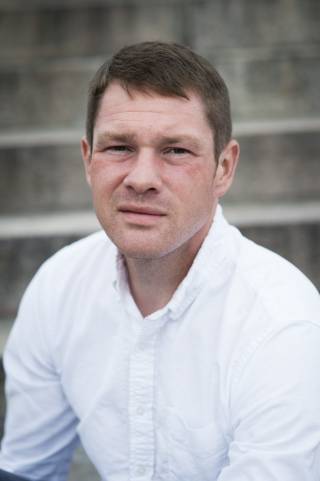
Thomas Devaney is Associate Professor of History at the University of Rochester and Visiting Researcher at HEX (spring/summer 2021). He has held fellowships at the Helsinki Collegium for Advanced Studies and at the University of Turku, among others. As a scholar of late medieval and early modern cultural history, his research encompasses interfaith relations, urban spectacle, sport, concepts of nobility, and early modern understandings of sense and emotion. His work has been published in Speculum, Medieval Encounters, Viator, and elsewhere, and he is also author of Enemies in the Plaza: Urban Spectacle and the End of Spanish Frontier Culture, 1460-1492 (University of Pennsylvania Press, 2015). At HEX, he is focusing on lived religion, particularly the experience of local pilgrimage in early modern Spain. By examining the ways in which pilgrims presented their memories in terms of intense emotions and how these accounts correlated with contemporary theological debates about sensory perception, the meanings of religious emotions, and the power of sacred material objects, he aims to understand pilgrimage as a sensual, emotional, social, and textual experience.
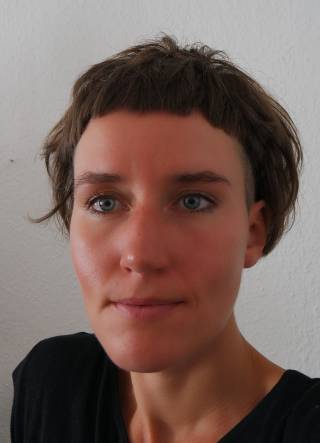
Claudia Eggart
Claudia Eggart is a sociologist and social anthropologist, currently doing her Ph.D. at the University of Manchester. Her research engages with emotions, mobility and border regimes, crisis, and the social production of space and time with a special focus on post-Soviet market transformation. She has extended ethnographic research experience in Russia and Kyrgyzstan and is currently undertaking oral histories with market traders from Odesa, Ukraine, and Bishkek, Kyrgyzstan. In her doctoral research project, she is interested in the intersection of large-scale geopolitical transformations (e.g. the Chinese Belt and Road Initiative, the Russian-led Eurasian Economic Union, or the European Union) and lived geopolitics at the market, across borders, and in times of crisis.
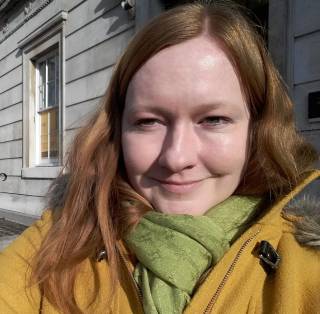
Heather Ellis
Heather Ellis is Associate Professor in History of Education at the University of Sheffield. Heather’s research focuses on the history of education, knowledge and the lived welfare state. Her first book, Generational Conflict and University Reform: Oxford in the Age of Revolution (Brill, 2012) explored the role of student movements at Oxford in the early nineteenth century and her second, Masculinity and Science in Britain, 1831-1918 (Palgrave Macmillan, 2017) examines the gendered nature of scientific knowledge in Victorian Britain. She is currently Co-Investigator on a major ESRC-funded project ‘The UK School Meals Service: Past, Present, and Future?’ (2023-2025) which combines archival research, oral histories and ethnography to explore the history and possible futures of school meals in the UK. At HEX in April and May 2025, Heather is exploring the history of school meals in an international context as well as working on a monograph based on the ESRC-funded research.
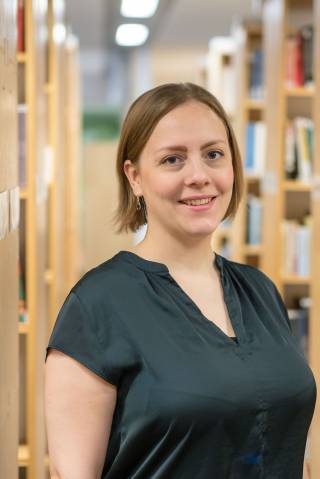 Mari Eyice
Postdoctoral Researcher
Mari Eyice is a postdoctoral researcher and a guest at HEX during the Autumn of 2020 (remotely) and during 2022 (hopefully on site in Tampere). Her research concerns questions of emotions, body and religion in the early modern period. She has done her doctoral work on emotional practices in the Swedish Reformation and is currently working on a three year-project on empathy and disability in the early modern period.
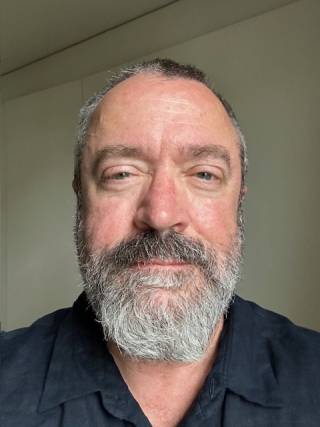 William Foster
Professor
Throughout my career I have been interested in what individual lives reveal of large-scale social and political entities such as nations, empires, and superpowers. My early work was focused on the question of transculturation and conversion, specifically the experiences of a group of English Protestants in Colonial North America who voluntarily became Catholic and French, exploring along the way the French empire’s negotiation of the unexpectedly complex cultural environments it encountered. Over the past ten years I have researched interactions among of ordinary Russians and Americans from the 18th century to the near-present, to see what the lived experience of those encounters reveals of the long rivalry between the two nations-into-superpowers and their mutually formed senses of exceptionalism in the world. My new research concerns the historical roots of the lived experience of armed neutrality in Switzerland and Austria, as well as armed post-neutrality in Finland and Sweden. I am interested in how resistance to threats by empires and larger nations express themselves in changing relations between the individual citizens and their states, particularly as expressed through conscription and other social obligations.
I am also an Associated Researcher at the Institute for European Global Studies, University of Basel, Switzerland.
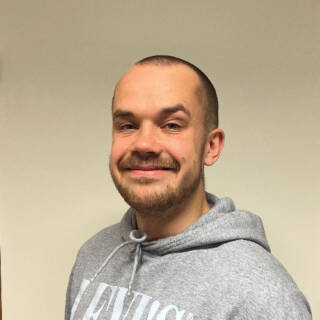 Andreas Eliassen Grini
PhD Student
Andreas is a PhD student at the Department of Modern History and Society at NTNU, Trondheim, Norway. He has a background in History and German studies, where he respectively looked at German war memoirs from Norway during World War II and the (re)presentation of Jewish protagonists in post-war German novels. In his PhD project, Andreas examines the national socialist views on the indigenous people of the Sámi, as well as the different contact interfaces between the Sámi and the German occupational forces in Norway during WW2. The project employs a variety of methodological and theoretical perspectives, one of them being history of experience. During his stay at HEX, Andreas focuses both the role of the Wehrmacht in Northern Finland, as well as the transnational experience of the Sámi during the World War.

Sara Honarmand Ebrahimi
Humboldt Research Fellow
Sara Honarmand Ebrahimi is an interdisciplinary architectural historian. She is currently a Humboldt Research Fellow at Goethe University Frankfurt am Main. Previously, she was a Postdoctoral Research Fellow at the School of Architecture, Planning and Environmental Policy, University College Dublin (2021-22), and a Paul Mellon Centre for Studies in British Art Postdoctoral Fellow at the School of Architecture and Landscape Architecture, the University of Edinburgh (2019-20). She studied for her PhD in University College Dublin, where she was an Irish Research Council (IRC) doctoral scholar. Her research interests address the multifaceted origins of ideas and practices in the history of international health and architecture and consider the history of emotions as a way of doing architectural history. Her first book entitled, Emotion, Mission, Architecture: Building Hospitals in Persia and British India, 1865-1914, will be published by Edinburgh University Press in November 2022.
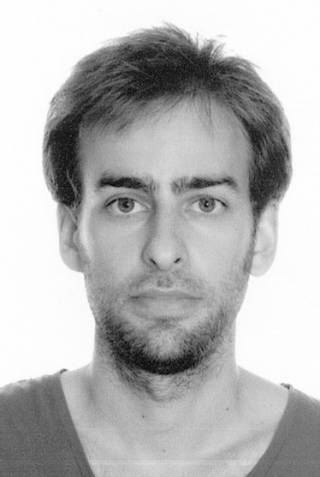
Ofer Idels
Postdoctoral Researcher
Ofer Idels is a Postdoctoral Fellow at the Ludwig Maximilian University of Munich, History Department. His work focuses on issues of language, embodiment, space and emotions in Modern Jewish History. In particular, he’s interested in the history and historiography of sports, revolutions and globalization.
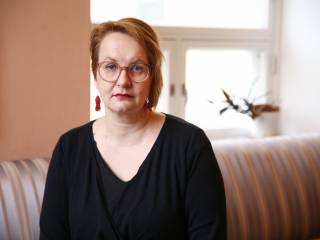
Ulla Ijäs
Postdoctoral Researcher
Postdoctoral researcher Ulla Ijäs is currently working in a project which studies a nineteenth-century Lutheran priest, his work and social networks in the Parikkala parish in eastern Finland. Ijäs is also participating EU Cost Action network Women on the Move and a research project Mobility of Words and the Places of Knowledge. Learned Communities in Early Nineteenth-Century Finland, which is supported by the Kone Foundation.
Her research interests are urban elites, material culture, gender history and economic and social history prior and during the Industrial Revolution. Geographically, Ijäs´ research area is the Northern Baltic (Finland and the Russian Baltic provinces).
During the HEX fellowship period, Ijäs aims to gain deeper understanding, what the history of experience would offer to her study especially concerning the social networks of a priest and his family. Ijäs would like to participate into the discussion of how the studied German-speaking Rönnholm family, originating from the transnational urban elite, built the Finnish nation in peripheral area of eastern Finland, far from intellectual centers, during the early years of the nation building in Finland. Ijäs would also like to discuss how Rönnholm’s experiences as priest, working towards both religious and secular aims, had impact on the nation building processes at the local level. With her research material, Ijäs is able to contribute both the Lived Nation and Lived Religion themes in HEX.
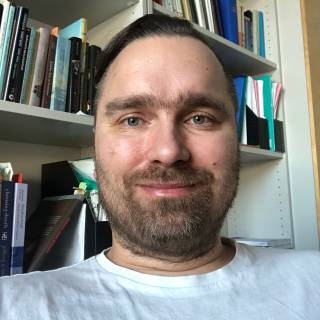
Kalle Kananoja
Postdoctoral Researcher
Kalle Kananoja is a senior research fellow at the University of Oulu and visiting researcher at HEX (February 2021). He has previously worked as a lecturer in African studies at the University of Helsinki and held fellowships at the European University Institute, King’s College London and the John Carter Brown Library. He has published on the social and cultural histories of slavery and medicine in the early modern Atlantic world, including the recent monograph Healing Knowledge in Atlantic Africa (Cambridge University Press, 2021). At HEX, he will work on the history of health and lived medicine in early twentieth-century Owamboland, South West Africa.
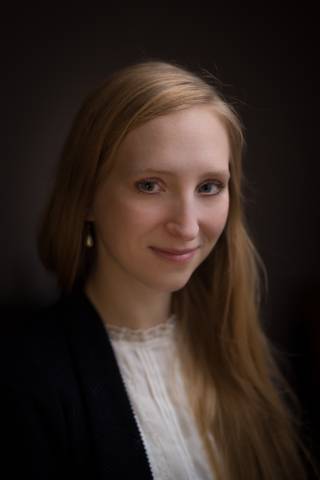
Jaśmina Korczak-Siedlecka
Postdoctoral Researcher
Jaśmina Korczak-Siedlecka is a postdoctoral Research Fellow at the German Historical Institute in Warsaw. She specializes in social history of the early modern period; her latest book examines violence in everyday life of villagers on the southern Baltic coast in the 16th-17th centuries. She is currently investigating Lutheranism in rural communities in the northern part of the Crown of the Kingdom of Poland. She is developing her research at HEX in February 2023.

Karolina Kulpa
PhD Student
Karolina Kulpa — PhD student at the Doctoral School of Humanities at the University of Warsaw, with a background in philosophy and literary studies. Her doctoral project investigates the engagements of the lower social classes in the creation of the national identity and the collective imaginaries in interwar Poland, paying particular attention to the role of literature and the press in those processes. Taking “populist modernism” as a critical point of entry, she explores the interactions of modernization and political narrative with symbolic representations of “the people” in various nation-building projects.
Firmly based on literary studies, her work integrates the history of concepts with the history of emotions and ideology; she discusses how such emotions as sympathy, awe, and disillusionment were mobilized in literary criticism, intellectual debates, and artistic texts in order to establish political and cultural meanings.
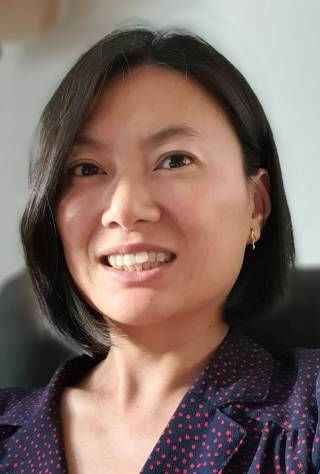
Jin Hui Li
Associate Professor
Jin Hui Li is Associate Professor in Education Science at the Centre for Education Policy Research, Aalborg University Copenhagen. She holds a Ph.D. in education sociology and education policy history. Within education policy history research, Li’s scholarly interest is situated at the intersections of education, transnational migration, and state-citizen relations within the welfare nation-state. Her Ph.D. project explored the development of the nation-state and student identities in transnational higher education, and her most recent research investigates the welfare state’s historical and contemporary policy practices of crafting migrant children into citizens through education. Li has worked with the history of experience in the Nordic welfare states by focusing on how the migrant students’ lived experience of schooling is shaped through race, class, and gender since the 1960s’. Her recent publications are e.g. Li, J. H., & Buchardt, M. (2022). “Feeling strange” ‒ oral histories of newly arrived migrant children’s experiences of schooling in Denmark from the 1970s. Paedagogica Historica, 1–19 and Li, J. H. (2021). The lived class and racialization – histories of “foreign workers’ children’s” school experiences in Denmark. Nordic Journal of Studies in Educational Policy, 7(3), 190–199.
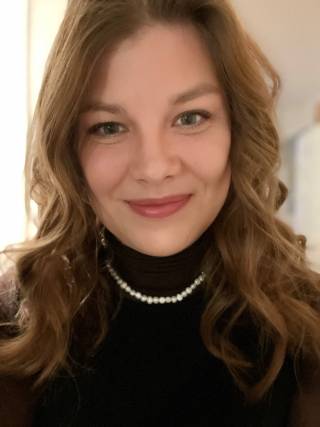
Amalie Olga Lyngsted
Amalie Olga Lyngsted is a PhD student in history at the University of Copenhagen and the Danish National Archives. She previously visited the University of Oxford as a recognised PhD student in the spring of 2024 and is a visiting researcher at HEX in March 2025. Her PhD project examines the experience of children placed in care in early 20th century Denmark, with a focus on the children and young people’s relationships with the different people in their lives. By employing a history of experience approach, the project examines the history of care from the perspectives of the children who grew up in it. Her research interests include the history of care, the history of children and childhood, the history of emotions and experience, as well as perspectives on the examination of children’s voices. The project is funded by the Danish Independent Research Foundation.
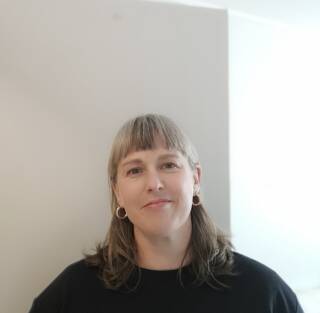
Beth Marsden
Postdoctoral Researcher
Beth is a non-Indigenous historian of settler colonialism and Indigenous education in Australia. Her other research interests include histories of childhood, and patterns of historical discrimination in government systems, such as education, housing, and health. Beth is currently a post-doctoral research fellow at the Australian National University in Canberra and is working on a national history of Indigenous schooling in Australia. During her time at HEX, Beth will be examining experiences of travelling for school—by choice, coercion, or force—to illuminate the different ways that schooling has been accessed by Indigenous and non-Indigenous children.
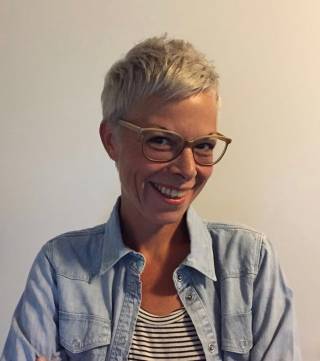
Dolorès Martin Moruno
Assistant Professor
Dolores Martín Moruno is assistant professor at the Institute for Ethics, History and Humanities of the University of Geneva. She is the principal investigator of the SNSF Professorship project Those women who performed humanitarian action: a Gendered history of compassion from the Franco-Prussian war to WWII (2017-2021), its extension Lived Humanitarianism : Gender, experiences and knowledge(s) (1853-1945), as well as the SNSF Agora scientific communication project Beyond Compassion: Gender and Humanitarian Action. She has widely published on the history of emotions.
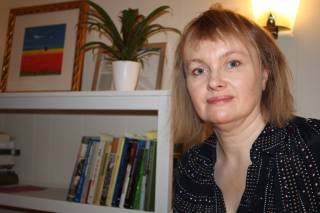 Sigríður Matthíasdóttir
Sigríður Matthíasdóttir, is a Ph.D (Dr.Phil). from the University of Iceland and is an independent historian at the Reykjavík Academy (www.akademia.is). Her research has covered gender history, nationalism, university history and emigration and she has published widely on these issues. She is a co-author of Aldarsaga Háskóla Íslands 1911-2011 (The Hundred Year History of the University of Iceland 1911-2011). She has also been a Fulbright visiting researcher at the University of California, Santa Barbara (UCSB) in 2007 and a visiting researcher the Historical Faculty of University of Stockholm in 2017. She has also been several times for a shorter period at the Historical Faculty of Åbo Akademi in Finland.
Since 2013 she has been doing a research on the theme single women who emigrated from Iceland to North-America 1870-1914, which for example received a three years grant from the Icelandic Research Fund 2013-2015. As a continuation of that research she is now writing a biography about two female merchants from East Iceland, Pálína S. Gudmundsdóttir Waage (1864-1935) and her granddaughter Pálína Kr. Thorbjörnsdóttir Waage (1926-2005). The biography, based on personal sources, is a story about transnational relations and emigration to North America as well as female entrepreneurship. This research focuses especially on these women´s agency, for example in relation to how it was shaped by their “lived religion” and “lived nationalism / transnationalism”. It has been funded by several grants, for example from The Non-Fiction Writers’ Fund and the Icelandic Equality Fund.
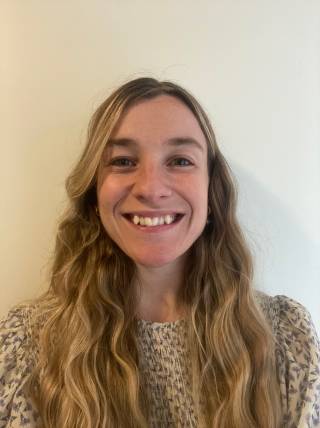 Kamilla Matthiassen
Kamilla Matthiassen is studying in HEX as an Erasmus visitor from the University of Aalborg and is currently doing her master thesis. Her research interest are criminology and criminal history in the 19th century, the development of the justice system in northern Europe and the modern turn prisons underwent during this period (from open workhouses to closed penitentiaries which practiced isolation and moral improvement). The focus of her study is how the regular, poor people experienced this modernization and institutionalization. In the last year she has been working on a quantitative project based on the prison roll from the Danish penitentiary ‘Vridsløselille’, where she investigates the prisoners in the late 1800s, their former lives, their experience with prison, their recidivism and intern criminal networks. Kamilla is going to stay at HEX this semester (sept-dec 2023), where she will be working with Johanna Annola. Together they will investigate and compare the female prisoners of Finland and Denmark and hopefully deliver a more nuanced insight to the two nations, their criminal system and the life and possibilities of women in this time.
 Wiktor Marzec
Assistant Professor
Wiktor Marzec received his PhD from the Central European University, Budapest. He is an Assistant Professor and project leader in The Robert Zajonc Institute for Social Studies, University of Warsaw, Poland. He is the author of Rising Subjects. The 1905 Revolution and the Origins of Modern Polish Politics (Pittsburgh UP, 2020), co-author of From Cotton and Smoke. Łódź – Industrial City and Discourses of Asynchronous Modernity, 1897–1994 and several articles on Poland within the Russian Empire focusing on labor history and history of concepts. Currently, he runs a comparative project on political trajectories of the late tsarist borderlands.
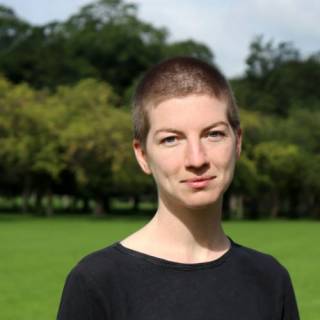 Ismay Milford
Postdoctoral Researcher
Ismay Milford is a historian of East Africa’s twentieth-century global connections and a visiting postdoctoral researcher at HEX (October-December 2020). She is normally based at the University of Edinburgh, where she is preparing her first monograph on anticolonial networks during the 1950s and contributing to a Leverhulme-funded project ‘Another World? East Africa and the global 1960s’. At HEX she is researching the spiritual movement ‘Moral Re-Armament’ and exploring how a history of experience approach could inform her new project on the ‘information sector’ in East Africa.
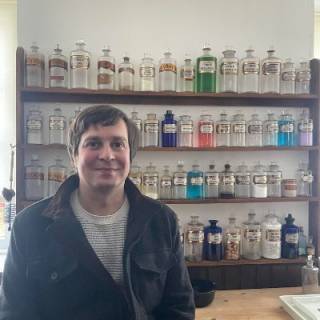
Ian Miller
Ian Miller is Lecturer in Medical History at Ulster University, Northern Ireland. He has authored 6 medical history books on topics including the force-feeding of hunger strikers, post-Famine dietary change in Ireland and the history of the Victorian stomach. Ian is PI on Epidemic Belfast (AHRC-funded) (www.epidemic-belfast.com), ‘Feeding Children? Food Poverty across Ireland’ (AHRC-funded) and co-PI (with Prof. Gerard Leavey, UU) on an major AHRC grant tackling health disparities for people living with mental illness in Northern Ireland.
Ian has previously held visiting fellowships at the Max Planck Centre for the History of Emotions (Berlin), INSERM (Paris) and Institute for General Practice and Community Medicine (Oslo). Ian’s work has featured in Guardian, Independent, London Review of Books, New Yorker, Sunday Times, Sunday Post, Irish Times, Times Literary Supplement among many others. Ian has appeared on a number of BBC and RTÉ stations. Ian is Book Review Editor for the journal Social History of Medicine, Senior Fellow of HEA, and appointed member of Royal Irish Academy (Historical Studies), AHRC Peer Review College member, Irish Research Council Board (postgraduate and postdoctoral) and Wellcome Trust Discovery Research Funding Committee.
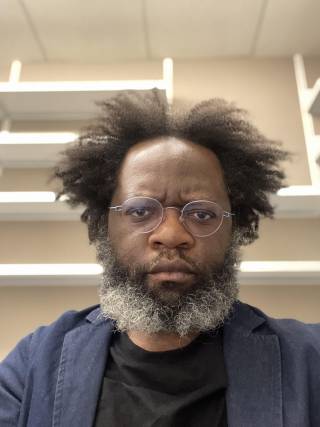
Tinashe Mushakavanhu
Tinashe Mushakavanhu is a Junior Research Fellow in African & Comparative Literature at St Anne’s College, University of Oxford and Visiting Assistant Professor in Comparative Literature at New York University (Spring 2023). He has widely published on the literary histories of his homeland, Zimbabwe with a special focus on writer’s archives, cultural institutions and publishing. His previous publications include Reincarnating Marechera: Notes on a Speculative Archive (2020) and Some Writers Can Give You Two Heartbeats (2019). At HEX, he is working on a book about the stone sculpture movement in Zimbabwe tentatively called, The Stone Philosophers.
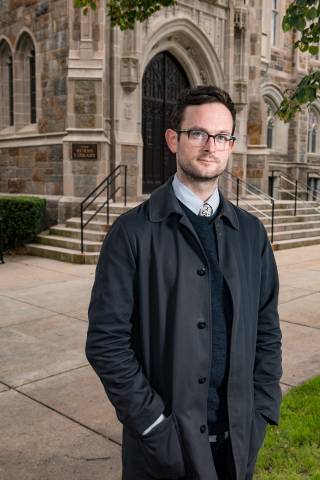 Ciaran O´Neill
Ciaran O’Neill is Ussher Associate Professor of Nineteenth-century History at Trinity College Dublin. He specialises in the transnational history of class, mobility, and elite formation, colonial legacies, and public history.
He has held visiting fellowships at Boston College, the University of Notre Dame, St Mary’s University (Nova Scotia), and the Universidade de São Paulo, and has contributed to major projects on colonial legacies, public history, and cultural memory.
O’Neill has published extensively on Irish elites and imperial entanglements, including Catholics of Consequence (OUP, 2014) and Power and Powerlessness in Union Ireland (OUP, 2024), as well as recent work on Ireland, slavery, and the Atlantic world in Ireland, Slavery and the Caribbean (MUP, 2023) and Public History in Global Perspective (De Gruyter, 2025).
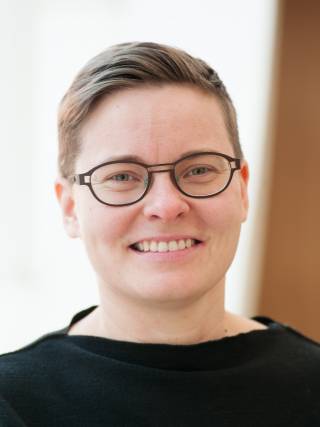 Anna Rajavuori
Postdoctoral researcher
Anna Rajavuori is a political historian at the University of Helsinki and a visiting post-doctoral researcher at HEX in March 2021. Her research project “Parliament as a Stage: Audiences, Emotions and politics of Performance in the Finnish Parliament in the 1907-1920” is funded by Kone Foundation. In her PhD thesis, she studied socialist agitation in rural central Finland in 1906-1908 and is interested in politics and performance, emotions and political movements.
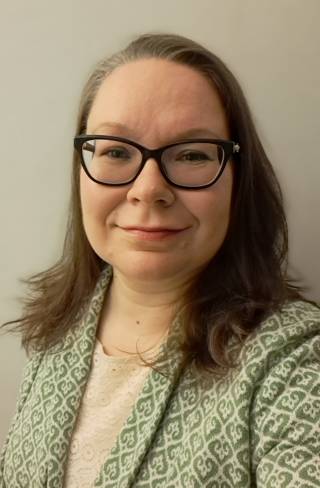 Päivi Räisänen-Schröder
Academy research fellow
Päivi Räisänen-Schröder is a historian of early modern religiosity who has studied practices, narratives and identities of Anabaptists, Lutherans as well as Jesuits from the 16th to the 18th centuries. She is currently a Finnish Academy Research Fellow with a project that explores emotions and the formation of religious practices and identities in the German Reformation.
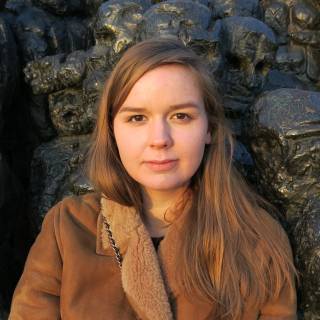 Katrine Rønsig Larsen
PhD Student
Katrine Rønsig Larsen is a PhD Student in History at the University of Copenhagen and a visiting researcher at HEX (September-December 2021). Her PhD project examines individual and collective experiences of family violence in Denmark from 1970 to 2020 with a special emphasis on experiences of family violence during the COVID-19 pandemic. Employing a history of experience approach, the project will analyse the historically and culturally contingent experiences of family violence based on interviews, archive material and media archives. Rather than establishing a stable notion of what family violence is and how it is experienced, her dissertation aims to uncover the unstable cultural understandings of violence in the family and to historicise the experience of violence itself.
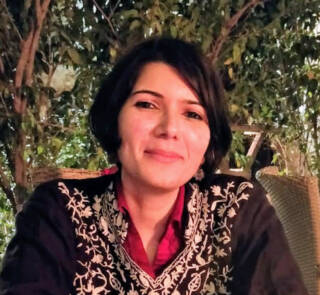 Ranjana Saha
Ranjana Saha is currently a Marie Sklodowska-Curie Actions (MSCA) COFUND Turku Institute for Advanced Studies (TIAS) Turku Intersectoral Excellence Scheme (TIES) Fellow (September 2023-August 2026) associated with the Department of European and World History, University of Turku, Finland. She has been awarded a travel grant by The Finnish Society of Sciences and Letters for conducting research during her Visiting Fellowship (July-August 2024) at The Institute for Advanced Studies in the Humanities (IASH), The University of Edinburgh, Edinburgh, UK. She is working on her project ‘Mothers, Mothercraft & Materialities: Urban India and Transnational Histories of “Scientific” Motherhood in the Nineteenth and Early-Twentieth Centuries’. As a Visiting Scholar at HEX, she is keen to discuss and further develop her current project as well as present her paper on ‘Medicine, Mothercraft & Materialities: ‘Scientific’ Motherhood Advice in Colonial Bengal’ at the HEX Seminar Series on 7 May, 2024. Prior to joining TIAS, she was a Postdoctoral Teaching Fellow and History Faculty at Manipal Centre for Humanities, Manipal (July 2020-July 2023); and a Postdoctoral Research Fellow at the Indian Institute of Science Education and Research (IISER), Mohali, India (May 2018-April 2020). She completed her PhD and MPhil from the Department of History, University of Delhi, Delhi, India. Her doctoral research was funded by a Junior Research Fellowship (JRF) and a Foreign Travel Grant from the Indian Council of Historical Research (ICHR, New Delhi), a Charles Wallace India Trust UK Short-term Research Grant, and a one-year PhD Fellowship at the Centre for the Study of Developing Societies (CSDS, Delhi). She has a MA degree in History from Jawaharlal Nehru University, New Delhi, India, and a BA Hons in History from Lancaster University, Lancaster, U.K. Her papers have been published in The Indian Economic and Social History Review (IESHR), South Asia Research, and Women’s Studies International Forum. She is the author of Modern Maternities (Routledge, 2023).
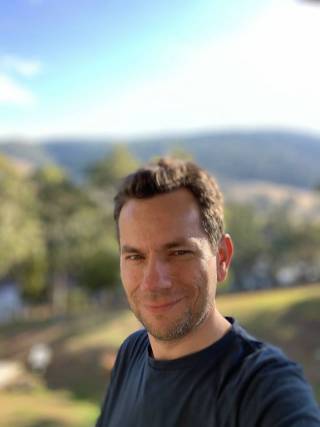 Simon Sleight
Simon Sleight (Ph.D, FRHistS) is a visiting scholar from King’s College London where he is Reader in Urban History, Historical Youth Cultures and Australian History. Simon’s work explores the history of urban place-making, the evolution of youth cultures, the presence of the past in contemporary society, and the history of the Australian diaspora. He is particularly interested in understanding the lived experience of the past, and uses a wide range of source material to do so. His book publications include Young People and the Shaping of Public Space in Melbourne, 1870-1914 (Routledge, 2016), Children, Childhood and Youth in the British World (Palgrave, 2016), a textbook on History, Memory and Public Life (Routledge, 2018) and A Cultural History of Youth in the Modern Age (forthcoming with Bloomsbury and co-edited with Kristine Alexander). New research centres on memory and meaning in the modern world and on the concept of ‘slow history’. Simon is also Co-Founding Director of the Children’s History Society and Deputy Director of the Menzies Australia Institute.
On twitter @Slowhistorian
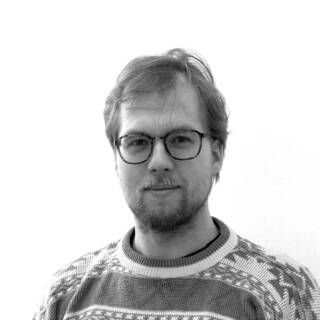 Jiří Smlsal
Jiří Smlsal is a PhD. student at the Institute of Economic and Social History at Charles University in Prague. His PhD project examines the development of disciplinary institutions, convict labour and correctional thought in Czechoslovakia between the 1930s and 1960s. He is also a member of the research project Punish or Rehabilitate? Gender, Convict Labour, and Disciplination in the Workhouse in the Czech lands, 1918-1950 at the Czech Academy of Science. He is interested in Romani history and recently published a monograph on Holocaust of Roma in Protectorate of Bohemia and Moravia.
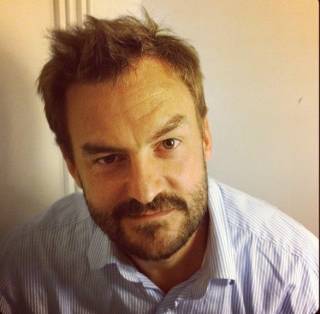 Mikkel Thelle
Senior Researcher
Mikkel Thelle is a cultural historian and senior researcher at the National Museum of Denmark. Working with urban history and public space for a long period as director of Danish Center for Urban History at Aarhus University, he is now interested in cultural histories of welfare society and the ways in which citizenship is enacted and experienced in 20th century cities. As visiting fellow at HEX, Mikkel is investigating practices of interpellation in Copenhagen’s comparable finnish urban spaces in the 19th and 20th century.
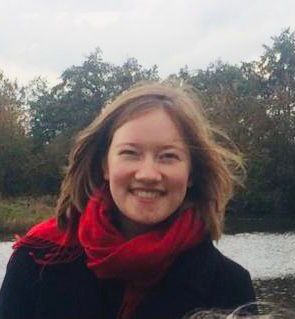 Marie van Haaster
Master´s Student/Research Assistant
Marie van Haaster recently received her Master’s degree in Philosophy (University of Amsterdam) and is pursuing a Research Master in History (Radboud University Nijmegen). She is currently visiting HEX as a research assistent to Rob Boddice. Her research interests lie at the crossroads of the history of experience, the history of medicine, and philosophy of mind and cognition.
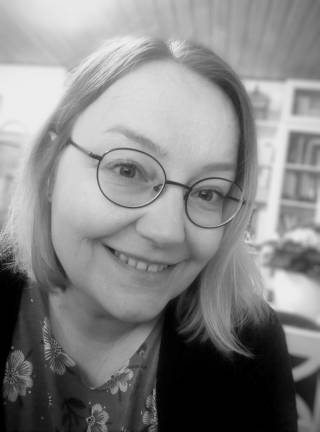 Ella Viitaniemi
My research focuses on politics and decision-making in the 18th century, and especially on how issues were resolved at the local level. In my research projects, I have considered the emergence of early political publicity and citizenship in the second half of the 18th century, and have looked especially at parish meetings as a local political arena. On the other hand, I have also studied the demographics, livelihoods and cultural history of early modern society, for example through the lower clergy and mason masters. In general, the 18th century as an era of dynamic changes is a fascinating area of study that inspires us to look at the different life paths and experiences of people as part of the evolving local community, the Swedish kingdom, and European culture.
I lead a project funded by Kone Foundation The long history of short-term work: Short-term work and its creators as part of Finnish society 1450–1860.
I also have also ongoing personal research project “Religion, framsteg och politik: Professor Johan Kraftmans och prosten Mikael Lebells samhälleliga samarbete på 1700-talet [Religion, progress and politics: Social cooperation between Professor Johan Kraftman and Dean Mikael Lebell in the 18th century], funded by Svenska Litteratur Sällskapet i Finland.
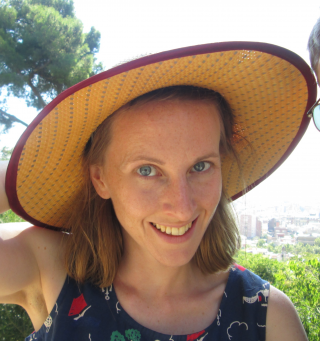 Tessa Whitehouse
Tessa Whitehouse directs the Centre for Religion and Literature in English and Queen Mary University of London. She is the author of The Textual Culture of English Protestant Dissent (Oxford, 2015) and co-editor of three edited collections: Textual Transformations (Oxford, 2019), Religion and Life Cycles (Manchester, 2021) and the journal E-Rea on ‘Lived Religion: The Exemplary and Mundane’. Her current research investigates how friendship and letter-writing were used to articulate and mediate theological, literary and emotional aspects of loss and memory. At HEX she will be preparing an edition of the correspondence between Sally Wesley (poet and daughter of one of the founders of Methodism) and Mercy Doddridge (member of a leading family of religious dissenters in Britain).
QMCRLE website: https://www.qmul.ac.uk/sed/religionandliterature/
E-Rea Issue on ‘Lived Religion’: https://journals.openedition.org/erea/10058
Video on William Cowper, Faith and Letters: https://www.youtube.com/watch?v=e9KohiiJE3cpersonal profile page
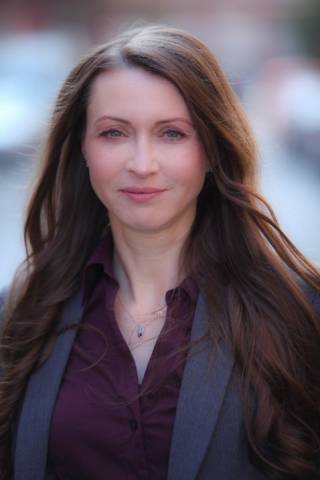 Teresa Willenborg
Teresa Willenborg is a historian and political scientist. She holds a Ph.D. from the University of Hannover (Germany). Her doctoral thesis, published in 2019, examined the nationality policy of the Polish People’s Republic toward the German minority in post-war Lower Silesia.
Currently, she conducts research on the German unaccompanied children in Poland in the aftermath of the Second World War, in cooperation with the University of Kiel (Germany).
The ongoing research project, “German Children in Post-War-Poland” focuses on examining the social care provided to German children in need of protection who remained in Poland after the Second World War and lived in institutional care. The book will be out in the autumn of 2023.
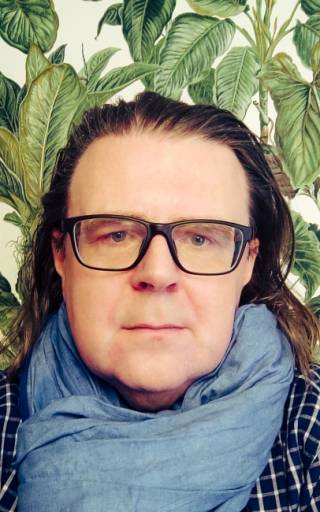 Tomasz Wislicz
Tomasz Wiślicz is an associate professor at the Tadeusz Manteuffel Institute of History of the Polish Academy of Sciences in Warsaw. He specializes in cultural and social history of the early modern peasants. His research focuses on popular religion, individuality/collectivity in rural communities, and history of sexuality, but encompasses also the history of historiography and theory of history.
At HEX Tomasz is investigating the visionary experience through the lens of apparitional discourse in early modern times and beyond.
Website: https://wislicz.wordpress.com/english/
 Whitney Wood
Dr. Whitney Wood is Canada Research Chair in the Historical Dimensions of Women’s Health at Vancouver Island University. Her research interests include histories of medicine, health, and the body in modern Canada, with a particular focus on gendered and racialized representations of women’s pain. She is currently working on a history of “natural” childbirth in mid-to-late twentieth century Canada, funded by a Social Sciences and Humanities Research Council of Canada Insight Development Grant. Her work has appeared in Social History of Medicine, BMJ: Medical Humanities, and a number of edited collections, and her first book, Birth Pangs: Maternity, Medicine, and Feminine Delicacy in English Canada, 1867-1940, is under contract with McGill-Queen’s University Press.
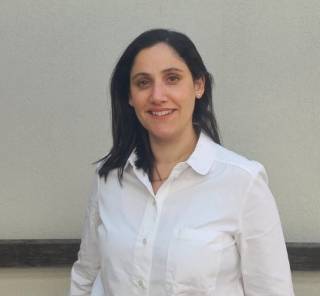 Emma Zohar
Emma Zohar is a historian specializing in modern Jewish history, with a focus on Polish Jewry and the history of emotions. She earned her PhD from the Hebrew University of Jerusalem in 2019, where her research explored the intersections of politics, education, and Jewish cultural identity in interwar Poland.
Her two books, both forthcoming during 2025, are The Children of the Place: The Non-Zionist Education System in Interwar Poland (Pardes Publishing), which examines the development of non-Zionist Jewish education in Poland between the wars. Within the Pale of Pleasure: Polish Jewry and the Pursuit of Happiness (Zalman Shazar Center Press), which challenges the prevalent portrayal of Polish Jewry as a perpetually suffering community, using methodologies from the history of emotions to explore consumer culture and leisure in interwar Poland.
Zohar has published extensively, including co-editing a special issue of Zion dedicated to the history of emotions and Jewish history. She has held postdoctoral fellowships at the Max Planck Institute’s Center for the History of Emotions in Berlin and the Interdisciplinary Unit for Polish Studies at the University of Haifa. She is currently a researcher at the Goldstein-Goren Diaspora Research Center at Tel Aviv University and a postdoctoral fellow at the Fanya Gottesfeld Heller Center for the Study of Women in Judaism at Bar-Ilan University.
During her time at HEX, Zohar will embark on a new research project examining Emotional Bridges and diasporic communities, exploring how shared emotional practices shape connections across geographic and cultural divides.