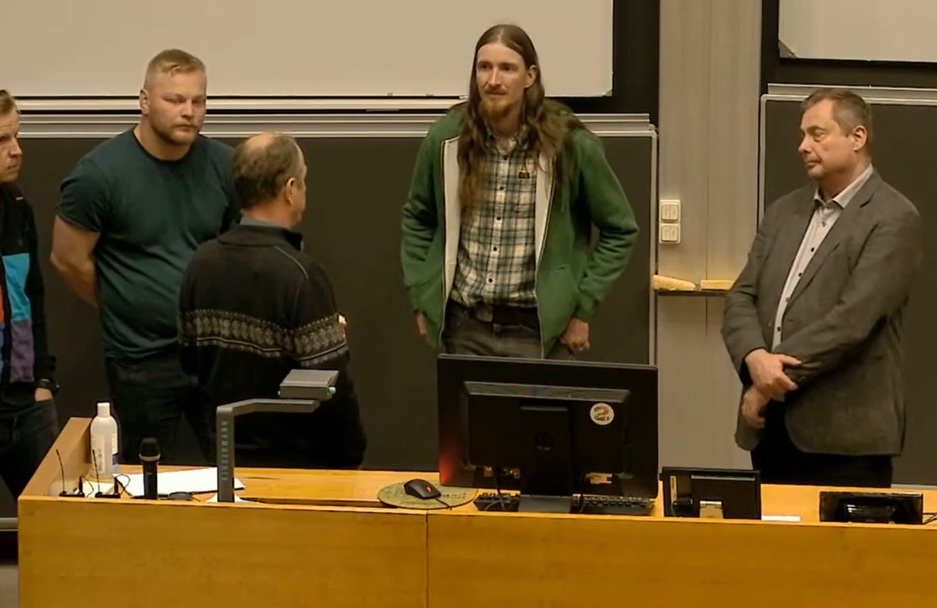
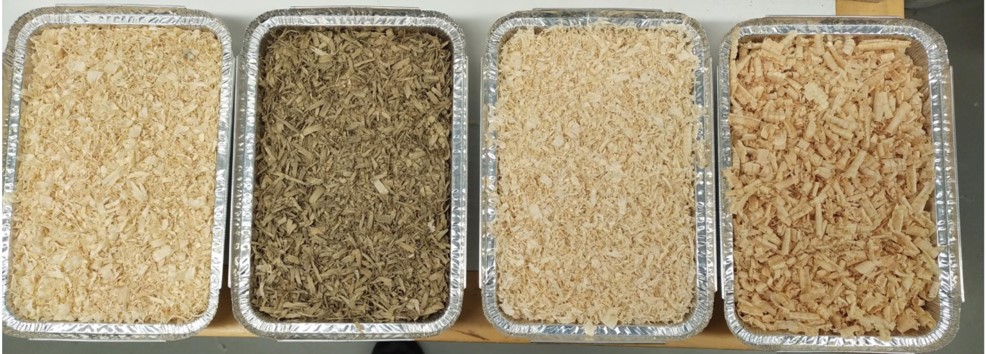
The participants were offered the latest research information on low-carbon and natural construction, as well as advice on the use of cutter chip insulation in design and construction. The results obtained in the projects showed the strengths of natural building materials, and particularly the possibilities of claying cutter shavings.
The publications produced in the ECOSAFE project, as well as the recording and presentations of the final conference, are available here: ECOSAFE | Building Physics | Tampere Universities (tuni.fi)
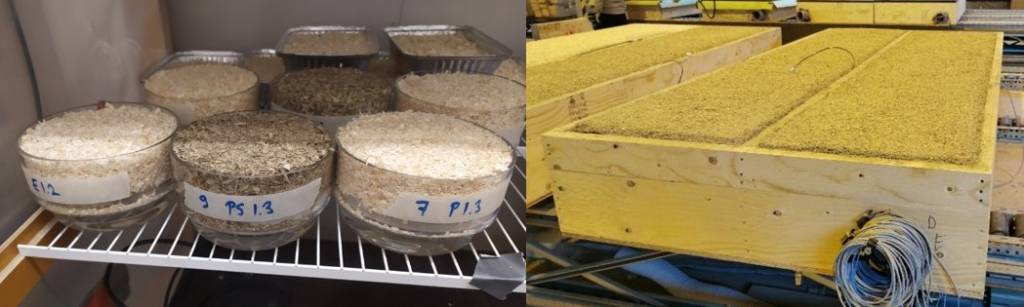
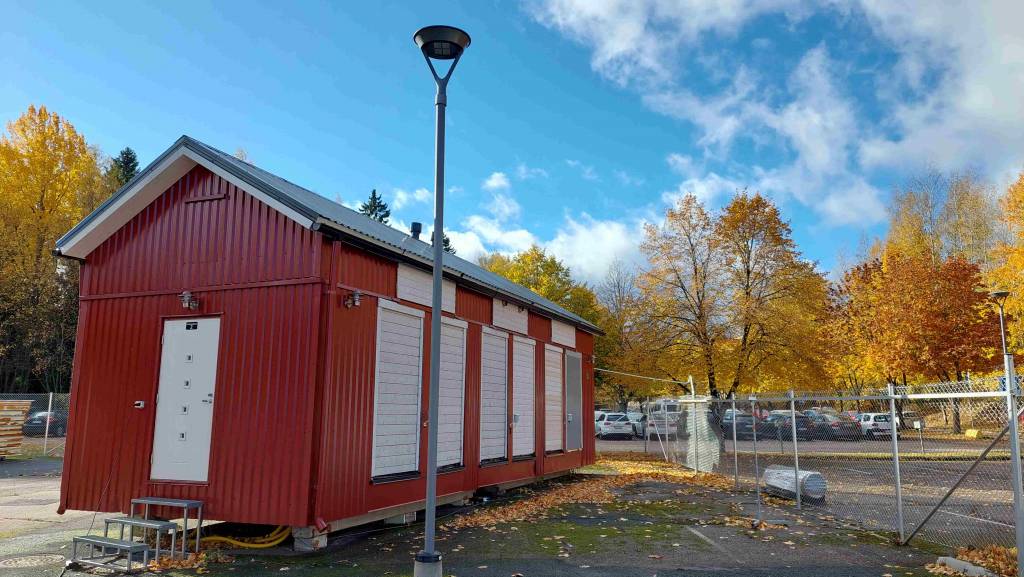
The ECOSAFE project, funded by the Ministry of the Environment, has examined the building physics of wood chip insulation-based structural solutions computationally and experimentally, and it is determined under what conditions they can be implemented into moisture-safe structures in current and future climatic conditions. The ECOSAFE 2 project has examined the beneficial effect of clay on the building physical functionality of cutter chip insulation and expanded ECOSAFE studies to the areas of acoustics, fire technology, carbon footprint calculation and microbiology. In addition to the Ministry of the Environment and Tampere University, several construction companies funded and participated in the study. The research project was coordinated by the Building Physics Research Group and the principal investigator was Professor Juha Vinha. The total cost estimate of the projects was €572,000 and the duration was 1.9.2019 – 30.6.2023. Very few similar interdisciplinary studies have been carried out, in which certain materials and the structures implemented with them would have been studied as comprehensively. The research results can be utilised in both new construction and renovation.
In field studies and computational modelling of exterior wall structures, it was found that clay cutter shavings reduce the relative humidity on the inner surface of the wind protection board, which is a critical point for the building physical function of the timber frame wall. This is particularly important in future climatic conditions, which are expected to become more challenging in terms of building physics. The sound insulation of the exterior wall structures was found to be at least as good as that of typical current frame wall structures. A solution was found for the implementation of partition walls that meets the fire and sound insulation requirements between the apartments. The carbon footprint of the structures was found to be significantly lower than that of the reference structures. The carbon footprint of an attic implemented with ECOSAFE solutions is at least one third of the carbon footprint of a typical detached house’s attic and the carbon footprint of an exterior wall is 60% of the value of the reference structure.
The material tests carried out enable the design of various structures using modern calculation and simulation methods. In addition to the comprehensive material properties of building physics, the sound absorption coefficient and fire class of the clay cutter chip insulation, the physicochemical properties of the clay and the microbiological properties of ordinary and clay cutter chips were measured. The absorption class of clay cutter shavings was A and the fire class according to EN 13501-1:2019 was D-s2, d0. Microbiological studies found that the clay of cutter shavings dampens mould growth, which promotes the functionality of the structures in future climatic conditions and is naturally advantageous in terms of the fault tolerance of the structures. It is important to note that the claying of cutter shavings or other materials does not pose a risk of the formation of resistant mould strains, which is possible when mould prevention chemicals are used.
Based on the results, the recommended structural types of exterior and partition walls, the base floor and the roof were drawn up to facilitate the utilisation of the studied materials and solutions.
The project will continue as the ECOSAFE 3 project, which aims among other things§ to obtain product approvals for the products under investigation for different uses.