
Energy-efficient and carbon-wise built environment – LUONTEVA project

The Building Physics Research Group of Tampere University is studying the building physical properties of mycelium material and investigating the possibilities of taking bio-based carbon into account in life cycle assessment or carbon certificates when the carbon contained in bio-based demolition waste is stored for a long time. In addition, Tampere University participates in the workshops organized in the project.
The LUONTEVA project, coordinated by the University of Helsinki and implemented between 1 Oct 2024 and 30 June 2027, is funded by the European Regional Development Fund (ERDF) and the participating research quarters, and several companies in the Tampere Region are participating in it.

Mycelium Material Testing

The Building Physics Laboratory tests the material properties of different types of mycelium variations, such as thermal conductivity, air permeability and bending strength.
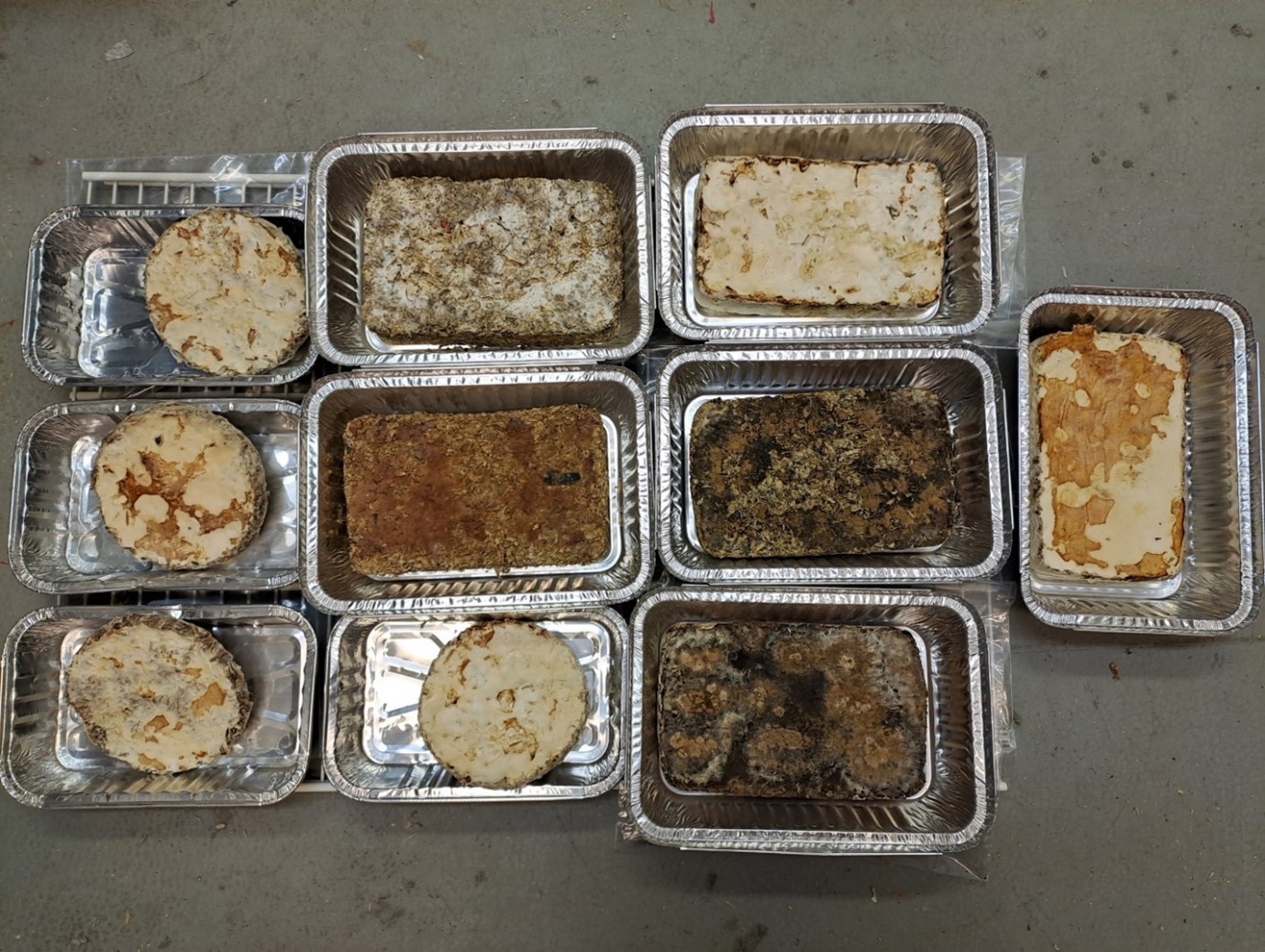
Mycelium variations.
Different types of mycelium variations submitted for testing.
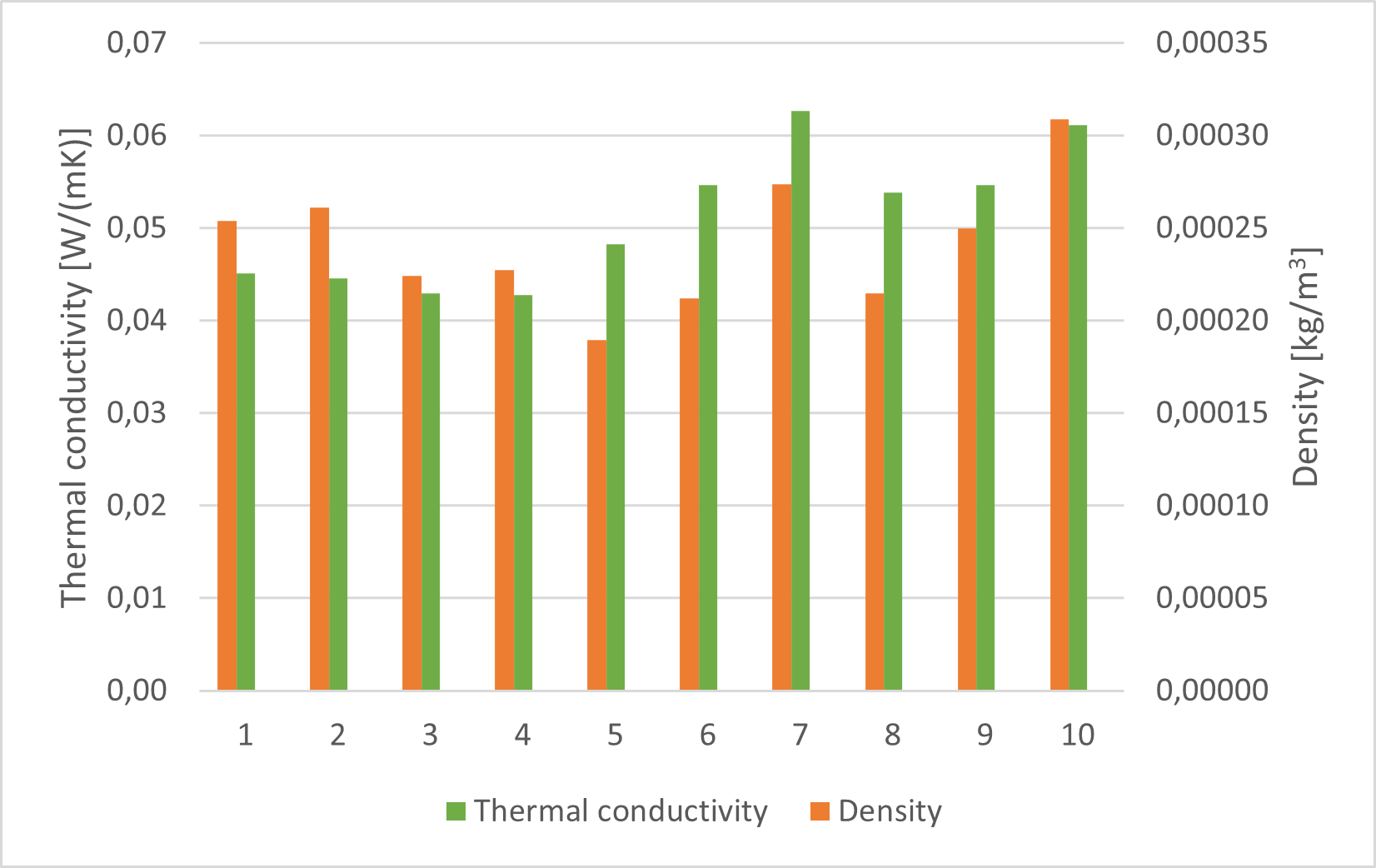
Chart about thermal conductivity and density.
Thermal conductivity and densities of test specimens.

The laboratory also tests a wall structure insulated with mycelium under varying conditions.
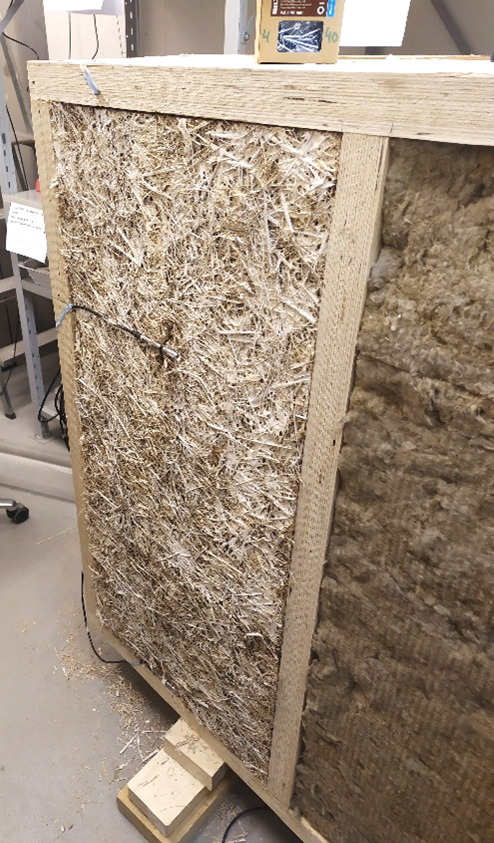
Wall structure insulated with mycelium and mineral wool.
A wall structure insulated with mycelium, with mineral wool insulation as a reference material in one of the blocks.

Sustainability and carbon capture

The project explores the possibilities of long-term capture of carbon stored by bio-based building materials at the end of their life cycle and the incentives for this. Because the material changes from construction material to demolition waste during the demolition phase, it can be difficult to demonstrate the carbon footprint benefit of long-term carbon storage for construction products. On the other hand, a Europe-wide incentive for the medium-term storage of bio-based carbon in structures and for the long-term storage of bio-based carbon from demolition waste through technical carbon sinks will be obtained from carbon certification.
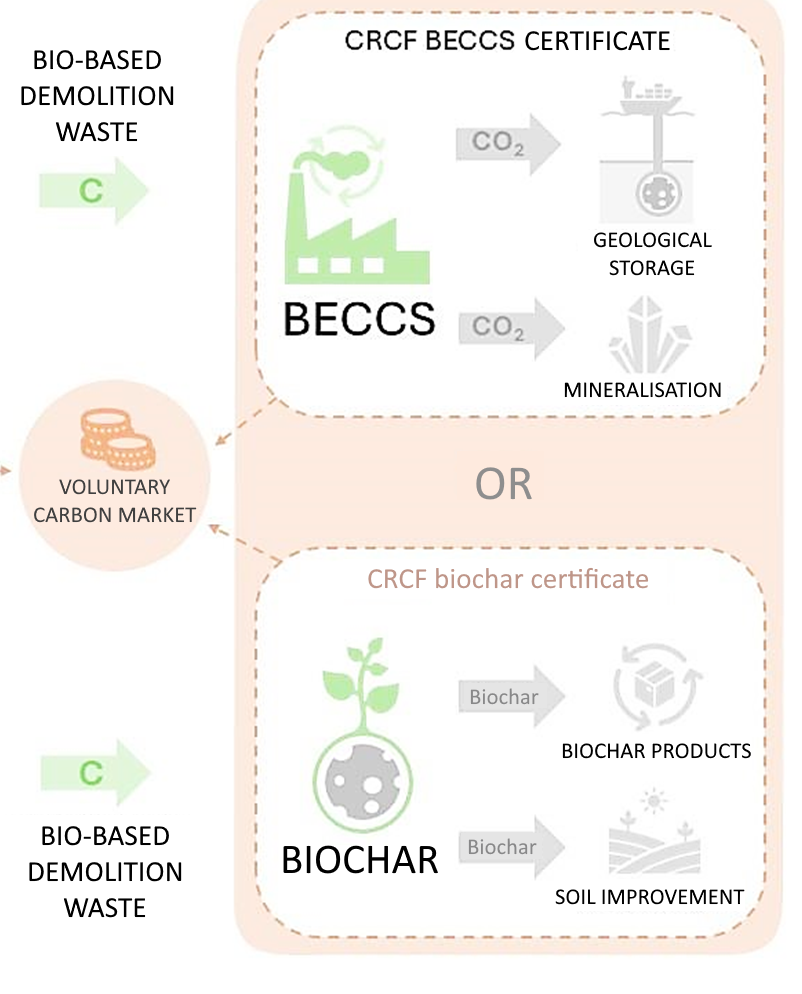
CRCF BECCS or biochar certificate for Bio-based demolition waste.
Certification of long-term carbon storage of bio-based demolition waste.


LUONTEVA project on the University of Helsinki website

Nature-based Building Homepage on TAU Building Physics Research Group’s website

Co-funded by the European Union.